
Meyer Lemon Tree Pruning Tips for Healthier Growth and More Fruit
- April 1, 2026
- By Arthur Gray
Why pruning is vital for Meyer lemon trees
Pruning is not just about aesthetics; it is a fundamental practice that supports long-term vigor. When you invest time in Meyer lemon tree pruning, you provide the structural foundation necessary for consistent fruit production and longevity. Regular attention ensures your tree remains a productive focal point in your home garden.
Improving light penetration and airflow
Properly thinned canopies allow sunlight to reach interior leaves, which is essential for photosynthesis. Without enough light, inner branches often become weak and stop bearing fruit. Good airflow also prevents humidity from trapping against the bark, reducing the risk of fungal infections.
Encouraging energy redirection toward fruit production
When a tree spends too much energy supporting non-productive, spindly shoots, the overall harvest suffers. Pruning pushes the tree to focus its resources on established branches that are capable of holding a heavy crop.
Removing dead, diseased, or damaged wood
Removing the 4 D’s dead, diseased, damaged, and dying branches—is crucial for tree hygiene. These compromised areas serve as entry points for pests and pathogens that could otherwise spread to the entire tree. By cutting them back to the collar, you effectively stop the movement of decay.
Maintaining a manageable tree size for container or landscape
Citrus trees in pots can quickly become overgrown, making harvest difficult and crowding other nearby plants. Strategic trimming keeps the size proportionate to the available space, ensuring the root system can properly support the canopy. Consider these primary objectives for your pruning routine:
- Limit vertical height to ensure safe, accessible harvests.
- Prevent branches from drooping too close to the soil surface.
- Keep the tree balanced to resist damage from high winds.
- Remove dense clumps of growth that hide potential pests.
Essential tools for clean and healthy citrus cuts
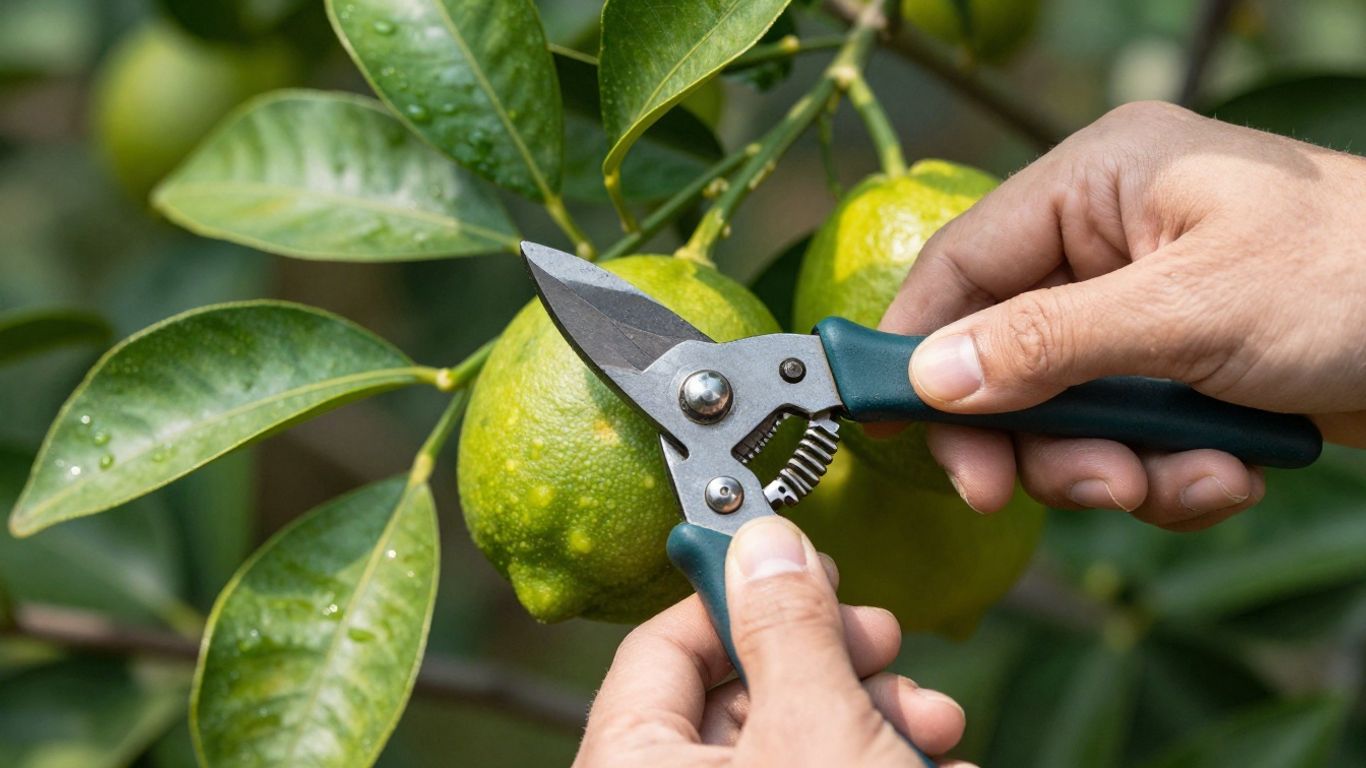
Choosing the right equipment makes the process significantly easier and safer for the plant. Using dull or wrong-sized tools often leads to jagged edges, which are slow to heal and prone to infection. Investing in quality gear pays off when you see your trees recover quickly.
Choosing bypass pruners for smaller stems
Bypass pruners mimic scissors and provide a sharp, clean cut that is gentle on living plant tissue. They are ideal for stems up to three-quarters of an inch in diameter. Because they don’t crush the branch, they minimize the risk of bark damage during the cut.
Using loppers for thick, unproductive wood
For branches that are too thick for handheld tools, loppers provide the leverage needed to snap through wood without strain. They allow you to remove heavy, unproductive scaffold branches while standing safely on the ground. When choosing a tool, you might look at this comparison table:
| Tool Type | Best Use Case | Branch Diameter Limit |
|---|---|---|
| Bypass Pruners | Small stems and foliage | Up to 0.75 inches |
| Loppers | Thick, unproductive limbs | Up to 2 inches |
| Pole Saw | High, unreachable branches | Over 2 inches |
Selecting the right tool for the job prevents unnecessary damage to the surrounding healthy growth.
Sanitizing blades to prevent disease transmission
Citrus trees are susceptible to various bacterial and viral issues that travel via dirty blades. You should wipe your equipment with hydrogen peroxide or a rubbing alcohol solution between every tree you work on. This simple step acts as a barrier against the spread of silent infections.
Sharpening equipment for surgical precision
Regularly sharpening your shears ensures that each cut is clean and effortless. A sharp edge forces less pressure on the cambium layer, which accelerates the tree’s natural healing process. If you find yourself struggling to make a cut, refrain from twisting the tool and instead sharpen the blade.
The best time to prune your Meyer lemon tree
Timing prevents excessive stress and allows the tree to focus on recovery and growth. Pruning during the wrong season can trigger growth cycles that are easily damaged by subsequent weather shifts. A measured approach throughout the annual calendar is always safest.
Identifying the post-harvest pruning window
After you have finished harvesting your lemons, the tree enters a short period where it can handle light shaping. This is usually before the next major bloom cycle begins, making it a natural downtime for the plant. Working immediately after picking ensures you do not accidentally remove future flowers.
Avoiding frost risks during winter months
In regions where temperatures dip near freezing, heavy pruning can trigger tender new growth that is highly sensitive to cold damage. It is better to wait until the final frost has passed to begin your yearly maintenance. If you accidentally trigger growth too early, that foliage may wilt under sudden temperature drops.
Preparing the tree for the spring growth flush
Early spring is the ideal moment to assess the structural integrity of your citrus tree. As the weather warms, the tree prepares to push out fresh leaves and buds, and existing wounds seal much faster during this active phase. You can often see the tree’s energy requirements reflected in how quickly it reacts to early season cuts.
Minimizing stress during extreme summer heat
Avoid major pruning once the intense summer heat sets in, as the plant needs all its leaves to provide shade for the interior. Removing too much wood during high temperatures exposes tender bark to sunscald. Keep maintenance limited to removing water sprouts if you must work during these times.
Step-by-step guide to proper pruning techniques
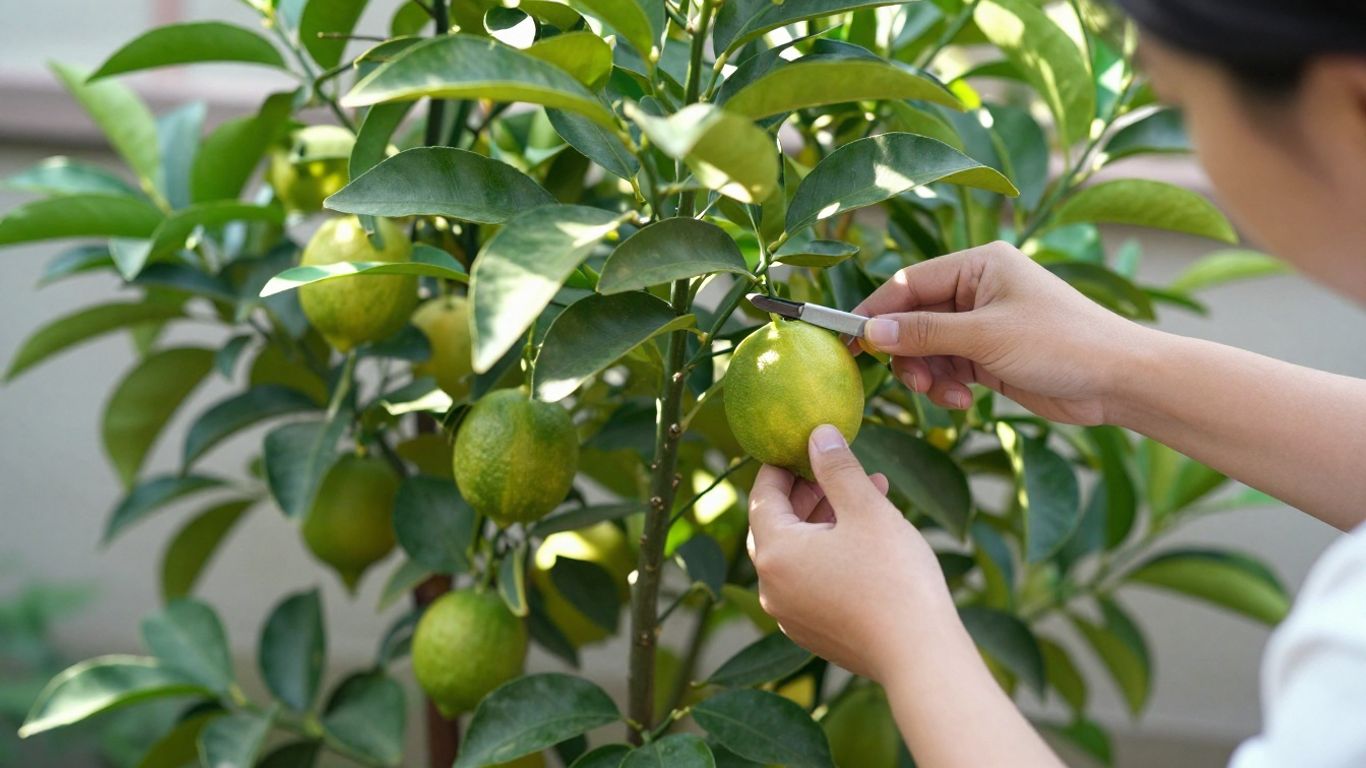
Technique matters just as much as the decision to prune itself. Aiming for a balanced structure prevents branches from snapping under the weight of future fruit. A well-pruned tree is not only more beautiful but far more productive.
Identifying the center-to-outward thinning method
Start your work at the center of the tree and move outward by removing the inner clutter. By opening the core, you increase the sunlight exposure for the entire plant. This method requires standing back frequently to evaluate the silhouette of the tree against the sky.
Managing water sprouts and suckers
Water sprouts are vertical shoots that grow rapidly and rarely produce quality fruit. Suckers emerging from the base of the trunk or below the graft union are also detrimental, as they drain energy from the productive tree. Snipping these early ensures that the energy remains in the main canopy structure.
Cutting at a 45-degree angle above nodes
Always make your cuts at a slight angle about a quarter-inch above a lateral bud or branch node. The angle ensures that water runs off the cut site rather than pooling on the exposed wood. This reduces the likelihood of rot developing while the wound heals over.
Removing crossing or rubbing branches to prevent wounding
When two branches rub against each other, they destroy the bark and create an open door for insects. Determine which branch is healthier and remove the other one completely. This creates a clean path for the primary branch to thrive without the irritation of friction.
Training techniques for structure and size management
Training a young tree or rehabilitating an older one requires a long-term perspective. You are not just cutting for today but setting the stage for where the limbs will be in five years. Consistency helps the tree develop a strong scaffold that can handle heavy fruit loads.
Establishing a central leader or open vase shape
You can train your tree to have a strong central trunk by selecting a primary leader or opt for an open center. The open vase shape is particularly effective for citrus as it promotes maximum light penetration throughout the entire interior. Choose one permanent structure early and stick to it as the tree matures.
Spacing primary scaffold branches evenly
Select three to five strong scaffold branches that grow out at wide angles from the trunk. These should be distributed around the circumference to create a symmetric, well-balanced tree. Even distribution prevents the tree from leaning in a single direction as the heavy fruit grows.
Controlling vertical height for easier harvesting
If your tree tends to grow too tall, selectively head back the vertical branches to an outward-facing bud. This encourages the tree to grow wider rather than reaching for the sky. You should always aim to keep the majority of your fruit within easy reach of your hands.
Clearing the trunk base of low-hanging growth
Keep the trunk clear of low-lying branches to prevent fruit from touching the damp soil. This clearance level creates a neat appearance and helps you identify potential pest issues near the root zone. Ensuring the base is visible also helps in monitoring for watering needs and soil moisture levels.
Post-pruning care for faster recovery
After completing your cuts, the tree needs a little extra attention to recover and thrive. Monitoring for signs of stress is part of being a successful orchardist in your own backyard. If you ever feel unsure about the scope of work, you can reach out for tree pruning services to help you get it right.
Adjusting fertilization to support new growth
Pruning often triggers a vigorous response, so you may need fertilizing citrus trees during the active growing season. Provide a balanced nutrient boost to encourage the tree to put energy into strong stems and foliage. Always water the soil before applying fertilizer to ensure the roots can take up nutrients without burning.
Monitoring watering needs after significant cuts
Large pruning jobs can influence how the tree transpires water, especially during warm weather. Check the soil moisture depths regularly and adjust your irrigation if the tree appears to be wilting. Consistent watering keeps the plant steady while it transitions into a new growth phase.
Inspecting for signs of citrus pests or scale
Pests love the succulent new growth that appears after a heavy pruning session. Inspect branch junctions and the undersides of leaves for signs of scale or aphid colonies. Caught early, these pests can be managed easily without resorting to heavy chemicals.
Evaluating the impact on future flower production
Watch how the tree blooms in the time following your pruning. If you removed too much wood, the fruit yield might be lower than usual for a year or two. Adjust your future plans accordingly to ensure that you continue to have both a beautiful shape and a harvestable quantity of fruit.
Conclusion
Pruning a Meyer lemon tree is a manageable and rewarding task that pays off in both tree health and higher fruit yields. By following proper timing, using sharp tools, and focusing on structural balance, you allow your tree to thrive in your garden for years to come. Remember that careful, incremental maintenance is always better than extreme cuts, helping your citrus continue to provide you with fragrant, juicy harvests each growing season.
Frequently Asked Questions
How often should I prune my Meyer lemon tree?
You should ideally perform a light, thorough pruning annually in the late winter or early spring to maintain health and shape. Occasional quick trims to remove water sprouts can be performed throughout the summer if the tree becomes too dense.
Can I prune my lemon tree in the fall?
It is better to avoid major pruning in the fall, as this can stimulate new growth that may be damaged by the winter cold. Focus on light maintenance or deadwood removal only if absolutely necessary during this season.
How much of the tree can I safely remove in one session?
You should generally avoid removing more than one-third of the total canopy in a single pruning session. Over-pruning can shock the tree and lead to excessive vertical growth or a reduction in fruit production.
Is it normal for my tree to produce suckers at the base?
Yes, it is common, but these suckers should be removed as soon as you notice them. Because they emerge from the rootstock rather than the graft, they drain energy from the productive tree and often produce inferior fruit.
Should I paint my pruning cuts after I am finished?
Modern gardening practices suggest that you should not paint or seal your pruning cuts. Trees have natural mechanisms to compartmentalize wounds, and sealants can sometimes trap moisture and encourage the very rot you are trying to prevent.
Why are the branches on my lemon tree crossing each other?
Crossing and rubbing branches occur when growth is too dense, often caused by lack of thinning. These should be removed to prevent damage to the bark and to improve the airflow through the center of the tree.
Can I prune an indoor potted Meyer lemon tree the same way?
Yes, the same principles apply, though you may need to prune more frequently to keep it at a size that fits indoors. Prioritize airflow and sunlight by thinning the interior of the pot-grown tree just as you would one planted in the landscape.