
How Do You Trim A Cedar Tree – Best Practices & Timing
- April 18, 2026
- By Arthur Gray
Understanding cedar tree growth and pruning goals
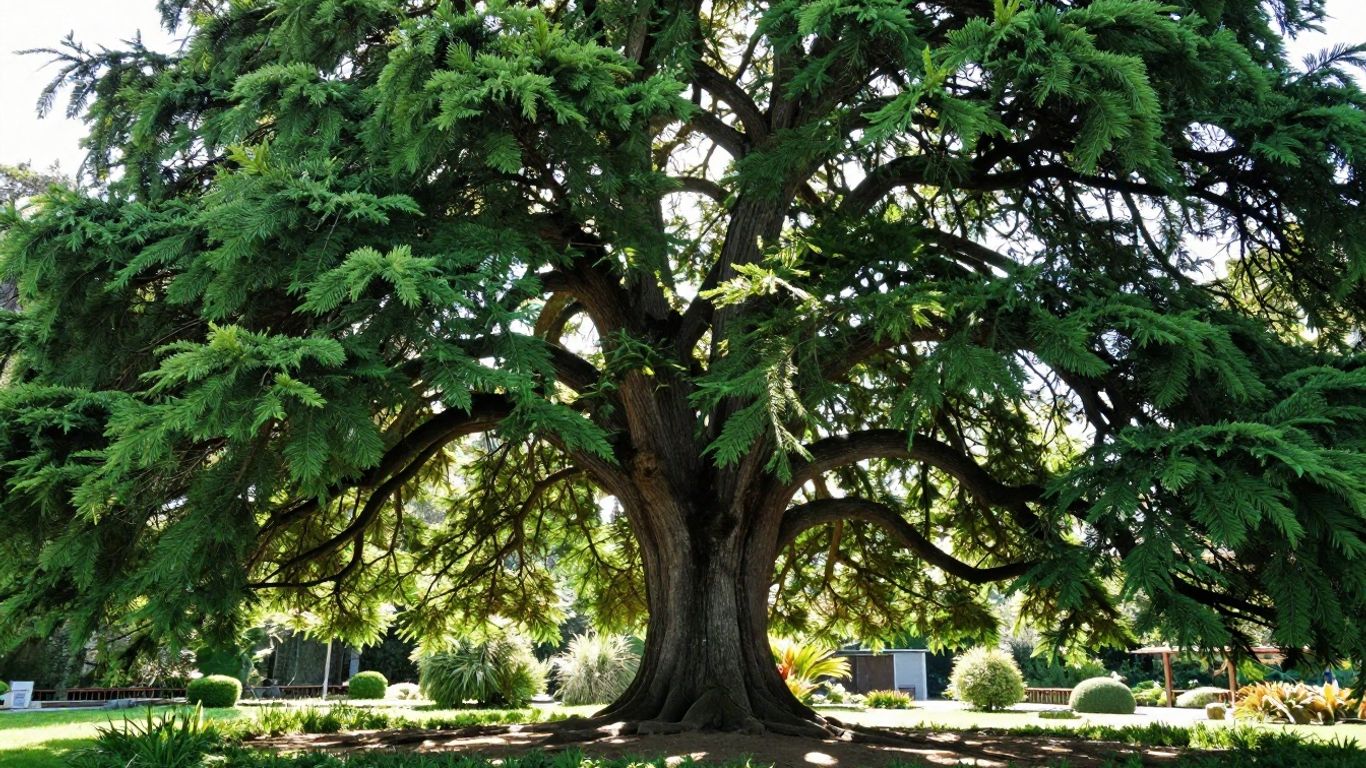
Cedar trees are iconic fixtures in many landscapes, prized for their evergreen beauty and robust structure. Before picking up any tools, homeowners should take a moment to evaluate the specific needs of their trees, as growth habits vary significantly between species. Establishing clear management objectives ensures that your efforts promote long-term vitality while avoiding common errors that can compromise the tree’s health.
Identifying the specific cedar variety
Recognizing exactly which type of cedar resides on your property is the first step in successful management. Many trees labeled as cedars, such as the hardy Eastern Red Cedar, are actually junipers that require specialized attention compared to true cedars like the Atlas Cedar. Proper identification helps determine how your tree will respond to cuts, as some varieties are more sensitive to heavy pruning than others.
Determining the primary purpose for pruning
Trimming is rarely just about aesthetics, as most maintenance is driven by structural or functional needs. Whether you want to encourage a dense privacy screen or simply need to clear pathways, clearly defining your goals will dictate the intensity and style of your cuts. For those looking to keep trees healthy, seeking expert tree care can provide a baseline for maintaining these plants correctly without compromising their natural defense systems.
Assessing the natural growth habit of the tree
Understanding the innate development of your cedar helps you work with, rather than against, the tree’s biological design. Cedars naturally aim for a classic pyramidal form, and pushing them into harsh, unnatural shapes often leads to stress or sparse foliage. By observing how your tree adds new growth each season, you can make strategic adjustments that enhance its silhouette rather than stifling its development.
Recognizing the limitations of cedar regeneration
Unlike many deciduous trees, cedars generally do not sprout new growth from old, bare wood. This key biological limitation means that once you trim deeply into the dense, green foliage to reach the brown inner branches, that area will likely remain bare for the life of the tree. Therefore, all trimming should be performed with a light hand, focusing on the exterior green foliage to maintain a lush appearance.
Deciding the best time for trimming cedar trees
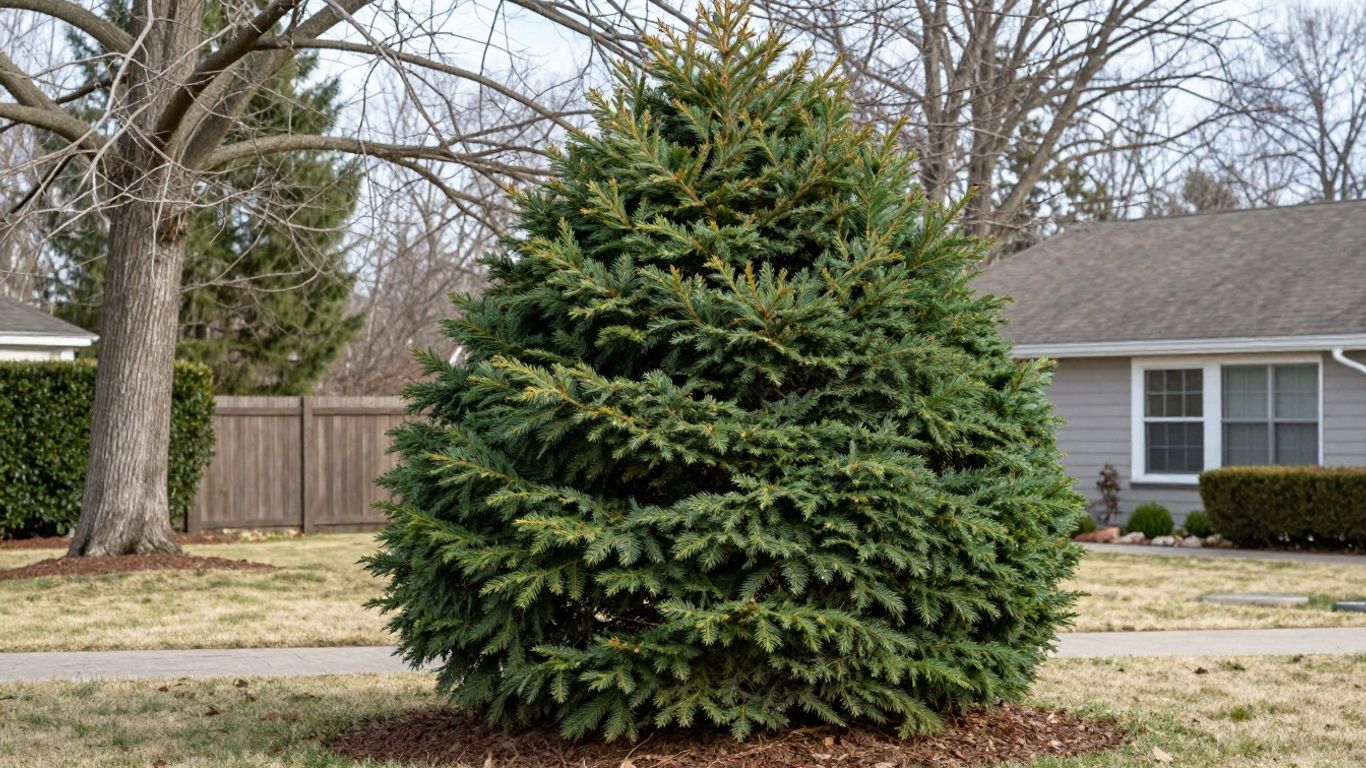
Choosing the right moment to trim cedar trees can make the difference between a thriving specimen and one that struggles to recover. Environmental conditions play a direct role in how wounds heal and how the tree manages stress throughout the year. Planning your maintenance during stable weather windows is highly recommended to support natural physiological processes.
Optimal timing during the dormant season
Late winter, just before the new growth cycle begins, is often the gold standard for significant canopy work. During this time, the tree is dormant, meaning it is less susceptible to sap loss and fungal pathogens that are more active during warmer months. Performing structural adjustments then allows the tree to compartmentalize wounds effectively before the spring flush of growth arrives.
| Seasonal Phase | Activity Level | Recommended Action |
|---|---|---|
| Late Winter | Low (Dormant) | Major structural cuts |
| Mid Spring | High | Light shaping only |
| Mid Summer | High | Supplemental watering |
Each phase above represents a critical juncture for the tree, ensuring that major structural interventions do not interfere with the tree’s energy reserves during high-activity periods.
Avoiding pruning during peak heat and drought
Mid-summer heat and extended dry spells are generally unsuitable times for even minor trimming. The tree is already under significant pressure to manage water transport, and removal of foliage further taxes these resources. When the landscape is parched, it is vital to focus on deep root hydration rather than aesthetic maintenance to prevent unnecessary branch dieback.
Managing seasonal growth cycles for recovery
Understanding the growth phases ensures that you provide the tree with enough recuperation time before the arrival of cold or dry stress. If you prune too late in the autumn, you may stimulate a flush of tender new growth that lacks the time to harden off before the first frost. By limiting pruning to the start of the growth cycle, you allow the tree to maximize its energy towards healing and strengthening its structure.
Responding to emergency storm or heavy snow damage
Sometimes, external forces dictate the schedule, requiring immediate intervention regardless of the season. When branches are snapped by storm winds or heavy snow, leaving jagged or hanging wood can create entry points for pathogens and pests. Pruning away damaged or hazardous wood quickly mitigates these risks, preserving the overall structural health of the tree and protecting the surrounding property.
Essential gear for trimming cedar trees
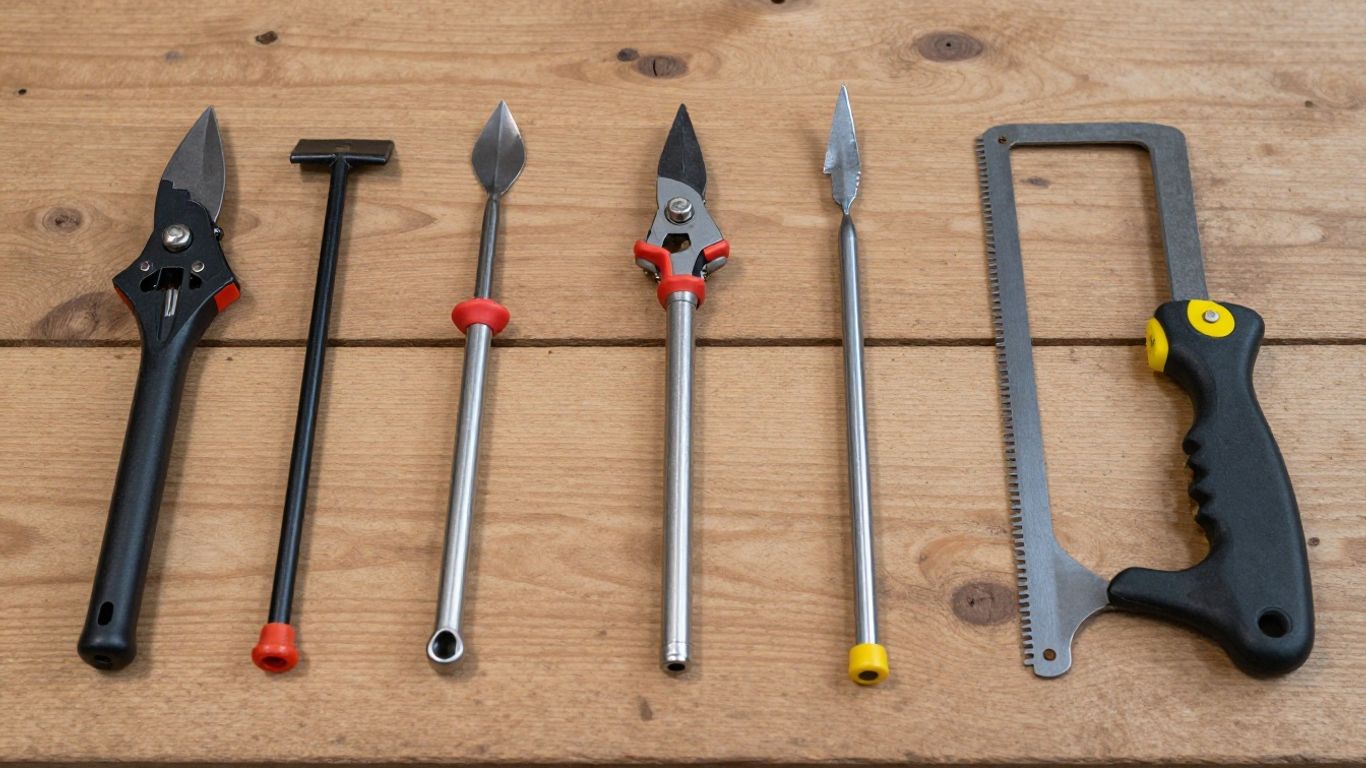
Having the right collection of tools ensures that you can execute necessary cuts with precision and safety. Using dull or improperly maintained gear is a recipe for ragged cuts that can lead to disease, while appropriate tool selection allows for a clean transition between the tool and the branch. Reliable equipment is a cornerstone of any tree pruning services in Scottsdale aimed at promoting long-term botanical health.
Selecting the right hand pruners and loppers
For most fine-tuning and shaping tasks near the exterior of the canopy, hand pruners and loppers are your primary assets. Bypass pruners create the cleanest, most precise cuts by scissoring past the branch rather than crushing it. When clearing your trees, ensure you use the following essential implements to maintain balance and avoid strain:
- Bypass pruners for fine stems and twigs
- Long-handled loppers for reaching inner growth
- A sharp, curved hand saw for thicker limbs
- Heavy-duty gloves for protection against needles
Equipped with these, you can easily maintain the desired density without needing to reach into the deeper, less responsive interior of the tree.
The role of pole saws for high branches
When dealing with taller specimens or branches that are clearly out of reach, pole saws allow for controlled removal of limbs without the need for unsafe ladder maneuvers. The primary goal when using these tools is to keep your feet on the ground whenever possible. This height advantage makes them indispensable for lifting the lower canopy or cleaning up crossing branches that are too high to reach manually.
Importance of using sanitized and sharp blades
Maintaining the sharpness of your blades directly impacts the cleanliness of the cut, as well as the effort required to make each snip. Dull blades cause tearing, which leaves the tree vulnerable to infection. Furthermore, periodically wiping your blades with a sanitizing solution is a simple way to prevent the spread of fungus or bacteria from one part of the tree to another, or between different trees in your landscape.
Essential safety equipment for working at height
Safety remains the absolute priority when managing trees near your home, particularly when work involves reaching above head height. Falling debris is the most common hazard, making protective eyewear and a sturdy helmet non-negotiable items for the job. If the task is complex or requires climbing, it is much safer to rely on expert tree services in Sunridge Canyon rather than attempting the work yourself.
Best practices for professional pruning techniques
Approaching a cedar tree with the goal of improvement requires a steady hand and a clear eye for detail. The objective is to remove unwanted growth without creating large, gaping voids that will never fill back in. Professional standards emphasize subtle thinning and structural integrity, ensuring the tree remains a vibrant and healthy addition to your property for years to come.
Making clean, angled cuts at the branch collar
Where the branch meets the main trunk or a larger supporting branch, there is a slightly swollen area known as the branch collar. This is where the tree’s natural healing tissue originates, and cuts should be made just outside this boundary. An angled cut encourages water runoff, preventing moisture from pooling on the fresh wound and discouraging the development of rot.
Removing dead, diseased, or crossing branches
Prioritizing the removal of dead or compromised branches is the healthiest move you can make for your cedar. These branches provide no benefit and can act as hosts for opportunistic pests or fungal growth. Crossing branches that rub against each other should also be removed early, as they create friction damage that can eventually lead to larger structural failures if left unattended.
Strategic thinning to improve air circulation
While cedars should remain dense, occasional strategic thinning from the interior can actually help maintain inner vitality. If the foliage is so thick that no light reaches the middle, the tree may begin to self-prune by dropping interior branches unnecessarily. By selectively removing small, crowded twigs from inside the canopy, you improve airflow and help the tree sustain its dense outer shell.
Protecting the central leader for structural strength
For most cedars, maintaining the singular, dominant vertical stem, the central leader, is crucial for a strong, symmetrical form. Do not top the tree or remove the top-most growing point, as this can trigger a chaotic growth pattern that weakens the tree’s resistance to wind and snow. Keeping the leader intact ensures that the tree continues to grow strong and straight without becoming unstable.
Maintenance and health care after trimming
After you have finished shaping and cleaning your cedar, the tree essentially undergoes a brief period of recovery. Providing appropriate care in the days and weeks after maintenance supports its ability to heal any wounding and continue its healthy development. Monitoring the tree during this period can help you spot potential issues before they become serious.
Watering requirements for recovery after pruning
Deep, slow watering is essential for any tree recovering from the stress of structural adjustment. Ensuring consistent moisture encourages the tree to produce fresh growth and aids in the rapid establishment of callusing tissue around cut sites. If the soil is dry, a thorough soaking of the root zone will provide the hydration necessary for a swift bounce-back.
Monitoring for pest infestations or fungal growth
During the recovery window, take a few moments to inspect the foliage and bark for any signs of imbalance. Local pests or fungal spores can sometimes take advantage of recently pruned trees, particularly if the initial cuts were not precise or if the tree was already struggling. Early detection is much easier to manage than waiting for a full-scale issue to manifest.
Evaluating the need for supplemental fertilization
Trees that are properly mulched often do not require heavy feeding, but a boost of nutrients can assist recovery if the tree is currently deficient. However, avoid aggressive application of high-nitrogen products, as this can force a flush of weak growth that is prone to damage. A balanced, organic approach is better for ensuring the tree maintains steady, robust health.
Recognizing when to call a professional arborist
There are situations where the scope or complexity of the pruning exceeds the tools and experience of the homeowner. If you notice signs of large-scale disease, structural instability near heavy branches, or if you simply lack the height equipment to work safely, it is time to bring in professional help. Licensed arborists can handle complex removals and structural corrections that ensure your trees continue to thrive for decades.
Conclusion
Successfully managing your cedar tree involves a balance of careful observation, appropriate tool selection, and a respect for the tree’s unique growth limitations. By performing maintenance at the right time and using the correct techniques, you can ensure your trees maintain their privacy-providing density and natural beauty. Remember that a light touch is always preferred, allowing the tree to retain its health and structure while you shape it for your specific landscape needs.
Frequently Asked Questions
Will cutting dead, brown branches in the center of the tree cause new greens to grow there?
No, cedar trees generally do not grow back from old, bare wood. Once an area is stripped of its green foliage, it will typically remain a hollow or brown space permanently.
Can I prune my cedar trees to create a formal topiary shape?
While you can shape cedars to a degree, they are not ideal for extreme topiary. Aggressive shearing can damage the tree’s health and lead to unsightly browning; it is better to stick to light, structural thinning.
How soon after planting a young cedar can I start pruning it?
It is best to leave young trees alone for the first year or two to allow them to establish a strong root system. Once the tree has settled, you can begin light shaping to encourage your preferred branching structure.
Are there any specific signs that my cedar is severely stressed after pruning?
Signs of significant stress include widespread yellowing or rapid browning of the needles, especially after the trimming session. If you notice this, ensure the tree is receiving adequate water and check for signs of moisture loss.
Is it ever okay to prune cedars in the middle of a hot summer?
Avoid pruning during hot, dry periods whenever possible. Pruning stresses the tree by removing its cooling foliage, and the high heat can turn minor cuts into significant sites of moisture loss and dieback.
Does topping a cedar tree make it grow bushier?
Topping a cedar is generally discouraged as it removes the central leader, which ruins the tree’s natural, balanced shape and does not effectively encourage density. Instead, focus on light, selective thinning from the interior if you want to manage height or vigor.
How often should I perform structural pruning on a mature cedar?
Once a tree is mature and shaped correctly, it often requires only minimal maintenance every year or two to remove dead or crossing branches. Staying consistent with small, annual clean-ups is far better for the tree than performing large, drastic prunings infrequently.