
When to Fertilize Citrus Trees in Arizona for Best Fruit

- February 27, 2026
- By Arthur Gray
So, you’ve got some citrus trees in Arizona, and you’re wondering when to fertilize citrus trees in Arizona so you can get the most fruit. It’s not as complicated as it might seem. Getting the timing right for fertilizing citrus trees in Arizona can make a big difference in how well your trees do and how much fruit they produce. Let’s break down the best times to fertilize to help you enjoy a great harvest.
Understanding Citrus Fertilization Needs in Arizona’s Climate
Understanding Citrus Fertilization Needs in Arizona’s Climate. Arizona’s climate, with its intense sun and dry air, really puts citrus trees to the test. These aren’t your average backyard shrubs; they’re fruit-producers that need a steady supply of nutrients to keep up with our demanding environment. Unlike plants in more temperate zones, our citrus trees have specific needs tied to our unique desert conditions. Consistent feeding is key to helping them thrive and produce those juicy fruits we all love. When to fertilize citrus trees in Arizona is a crucial question for any grower. Feeding is key to helping them thrive and produce those juicy fruits we all love.
Our soil’s high pH and salt content hinder root nutrient uptake. Intense heat stresses trees, causing deficiencies without support. Thus, a climate-tailored fertilization schedule is vital for providing the right nutrients at the right time, enabling trees to handle heat, resist problems, and produce fruit.
Here’s a quick look at why timing matters:
| Stage | Description |
| New Growth | Citrus trees put out new leaves and flowers in the spring. They need a good dose of nutrients to fuel this burst of activity. |
| Fruit Development | Once flowers turn into tiny fruits, the tree works hard to grow them. This stage requires a steady supply of energy and building blocks. |
| Seasonal Prep | As temperatures change, the tree needs to prepare for cooler (or hotter) weather and get ready for the next cycle of blooming and fruiting. |
Ignoring these needs can lead to a tree that looks okay on the surface but struggles to produce good fruit, or worse, becomes weak and prone to pests and diseases. Getting the fertilization right is a big part of keeping your Arizona citrus happy and productive.
The Key Fertilization Windows for Arizona Citrus
Alright, so you’ve got your citrus trees in Arizona, and you want them to produce the best fruit possible. Timing your fertilizer applications is a big part of that. It’s not just about dumping food on them whenever; there are specific times when your trees really need that extra boost to do their best work.
Spring Fertilization: Fueling New Growth and Fruit Set
This late Feb-early Mar feeding kick-starts trees post-cool period as the weather warms and growth appears. Energy must push new leaves and set fruit for the season, like a pre-busy day breakfast.
Summer Fertilization: Supporting Fruit Development
As fruit develops, it needs nutrients, which are typically fed in May. This mid-season application helps fruit swell and reach full potential. Skipping it can lead to smaller fruit or premature drop. This feeding ensures plump, delicious citrus.
Fall Fertilization: Preparing for Winter and Next Season’s Bloom
Feeding citrus in September sets them up for long-term success. It helps the tree store energy for cooler months and prepares it for next year’s bloom. Arizona soils can be tricky with high salt content. Deep watering after fertilizing flushes excess salts, aiding nutrient uptake. Give it a good, deep soak.
Signs Your Citrus Tree Needs Fertilizer
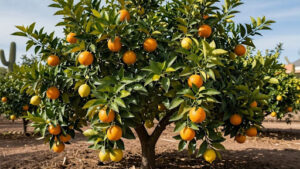
Sometimes, your citrus tree will give you pretty clear signals when it’s hungry for some nutrients. You don’t always need to stick to a strict calendar, though timing is important, as we’ve discussed. Paying attention to your tree’s appearance and how it’s producing fruit can tell you a lot.
Leaf Color and Vigor
A change in leaf color is a key sign. Healthy citrus leaves are deep green. Pale green or yellowish leaves, particularly older ones, suggest a nitrogen deficiency. Yellowing leaves with green veins indicate a nutrient deficiency.
| Symptom | Possible Cause |
| Pale or Yellowing Leaves | Especially on older foliage, this points to a potential nitrogen shortage. |
| Stunted New Growth | If your tree isn’t putting out new shoots or the new leaves are small and weak, it might not be getting enough to eat. |
| Leaf Drop | While some leaf drop is normal, a sudden or excessive shedding of leaves can signal stress, often related to nutrient needs. |
Don’t jump to conclusions too quickly. A few yellow leaves here and there can happen, especially if a leaf is just old. But if you see a widespread change across the tree, it’s time to investigate.
Fruit Production and Quality
Fruit size, sweetness, or rind thickness can indicate improper fertilization. Too many leaves with little fruit, or premature fruit drop, also signals a need for balanced nutrition for healthy fruiting.
| Symptom | Description |
| Reduced Fruit Yield | Fewer fruits than usual, even if the tree looks generally healthy. |
| Poor Fruit Quality | Small size, lack of sweetness, or thin/thick rinds. |
| Premature Fruit Drop | Fruits falling off the tree before they are ripe. |
| Excessive Leaf Growth with Little Fruit | The tree is putting energy into leaves instead of fruit production. |
Choosing the Right Fertilizer for Arizona Citrus
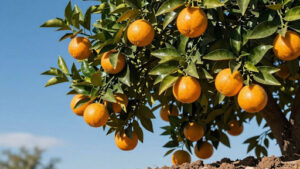
Picking the right food for your citrus trees here in Arizona is pretty important. It’s not just about grabbing any bag off the shelf; you want something that really works with our desert conditions and what your specific tree needs. Think of it like choosing the best meal plan for yourself – you wouldn’t just eat junk food, right? Understanding when to fertilize citrus trees in Arizona is key to this process.
NPK Ratios Explained
Fertilizer bags have these three numbers, like 10-10-10 or 20-10-10. These are the N-P-K ratios, and they stand for Nitrogen (N), Phosphorus (P), and Potassium (K). Nitrogen is a big deal for citrus because it helps with leafy growth and that vibrant green color. Phosphorus helps with root development and flowering, while Potassium is good for overall plant health and fruit quality. For most citrus trees in Arizona, you’ll want a fertilizer that’s higher in nitrogen. Something like a 19-10-5 or a fertilizer specifically labeled for citrus and fruit trees is usually a good bet.
| Nutrient | Role in Citrus Trees |
| Nitrogen (N) | Promotes leafy green growth and overall vigor. |
| Phosphorus (P) | Aids in root development and flower/fruit production. |
| Potassium (K) | Supports plant health, disease resistance, and fruit quality. |
Organic vs. Synthetic Fertilizers
Fertilizers are organic or synthetic. Synthetics offer a quick nutrient boost, ideal for immediate needs. Organics, from natural sources, release nutrients slowly, improving soil over time and reducing burn risk. “Organic-based” options combine both.
In Arizona’s alkaline soils, citrus may struggle to absorb micronutrients like iron, causing yellow leaves with green veins. Use fertilizers with chelated iron, zinc, and manganese for easier absorption.
| Type | Description |
| Synthetic Fertilizers | Fast-acting, readily available nutrients. Can be more prone to burning if over-applied. Good for quick corrections. |
| Organic Fertilizers | Slow-release improves soil health over time. Less risk of burning. Build a healthier soil ecosystem. |
| Organic-Based Fertilizers | Combine the benefits of both, offering a balanced approach. Often a good middle-ground choice. |
Best Practices for Fertilizing Citrus Trees in Arizona
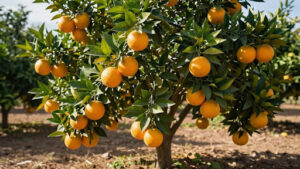
Alright, so you’ve figured out when to fertilize citrus trees in Arizona, which is a big step. Now, let’s talk about how to do it right. It’s not just about dumping fertilizer around the base; there are a few things to keep in mind to make sure your trees actually use it and don’t end up with problems.
Wait a year to fertilize new trees. Once established, water before and after fertilizing to help it dissolve and reach roots without burning. Spread fertilizer beyond the leaf line, raking it into the topsoil. Divide the total annual amount into three smaller applications, as over-fertilizing can harm the tree.
When unsure, use less fertilizer; it’s easier to add more than fix over-fertilization. Smaller trees need less. For grapefruit trees over six years old, reduce nitrogen to avoid thicker rinds.
Here’s a quick rundown of what to do:
| Action | Details |
| Watering | Water first, then fertilize, then water again. This is key for absorption and preventing root burn. |
| Fertilizer Application | Spread the fertilizer evenly around the drip line, not just at the trunk. |
| Amount Division | Divide the total annual amount into your three scheduled feedings. Don’t apply it all at once. |
| Amount Adjustment | Adjust amounts based on tree size and type. Bigger trees get more, smaller ones get less. |
For organic options, use composted cow manure, worked into the topsoil and watered in. Consistent feeding keeps Arizona citrus trees happy and productive. Citrus fertilization charts offer detailed amount guidance.
Frequently Asked Questions
When is the best time to feed my citrus trees in Arizona?
Feed citrus trees 3x/year: around Valentine’s Day (Feb), Memorial Day (May), and Labor Day (Sept). This schedule provides nutrients for leaf growth, fruit production, and next year’s readiness.
How do I know if my citrus tree needs fertilizer?
Pale or yellowish leaves, especially between veins, slow growth (under 6 inches/year), or poor fruit production may indicate your tree needs fertilizer.
What kind of fertilizer should I use for my citrus trees in Arizona?
Use a citrus-specific fertilizer, often higher in nitrogen. Check the label for iron, zinc, and manganese to promote sweeter fruit.
Can I fertilize my citrus tree anytime I want?
Timing is important! Avoid fertilizing during the hottest summer months (July/August) due to heat stress in trees. Don’t fertilize new trees until they’ve been in the ground a full year.
What happens if I give my citrus tree too much fertilizer?
Too much food hurts your tree, causing weak growth that attracts bugs and illness. It can burn roots and lead to more leaves than fruit. Fertilize correctly.
Does watering affect how well the fertilizer works?
Yes! Roots need water to soak up fertilizer. Ensure soil is moist before and after fertilizing. If water is restricted, wait until the tree can absorb nutrients properly.