
Professional Spring Landscape Maintenance Checklist for Residential and Commercial Properties

- June 3, 2026
- By Arthur Gray
Turf management and lawn rehabilitation
Transitioning outdoor spaces after the winter freeze requires a measured approach to soil health and grass vigor. Consistent care during these early stages sets the stage for a resilient landscape capable of enduring summer heat. Implementing a Spring Landscape Maintenance Checklist ensures that every critical task, from chemical balance to equipment readiness, remains on schedule.
Soil testing and nutrient balancing
Testing soil composition provides the necessary data to apply amendments accurately without waste. By checking pH levels and nutrient availability, technicians can tailor programs to specific ground conditions. This precision reduces runoff while maximizing the effectiveness of nitrogen and potassium applications for steady, season-long growth.
Managing pre-emergent weed control
Controlling invasive weeds before they surface prevents significant competition for water and nutrients. Targeted applications applied before germination effectively block annual grasses and broadleaf weeds from establishing colonies in turf areas. Consistent monitoring of soil temperature shifts allows for timely intervention.
Aeration and overseeding timing
Compacted soil often prevents root penetration and moisture retention, hindering overall turf density. Mechanical aeration breaks through these layers, followed promptly by overseeding to thicken thinning spots. This process thrives best when grass has begun active, visible growth, ensuring high germination rates and robust establishment.
Equipment calibration for professional mowing
Precision in mowing starts with the physical condition of the cutting unit. Blades must be sharpened and height settings locked to avoid scalping, which causes unnecessary stress to tender spring grass. Regular maintenance, such as the services provided by TruCore, keeps mowers operating at maximum efficiency for a cleaner cut.
Plant bed rejuvenation
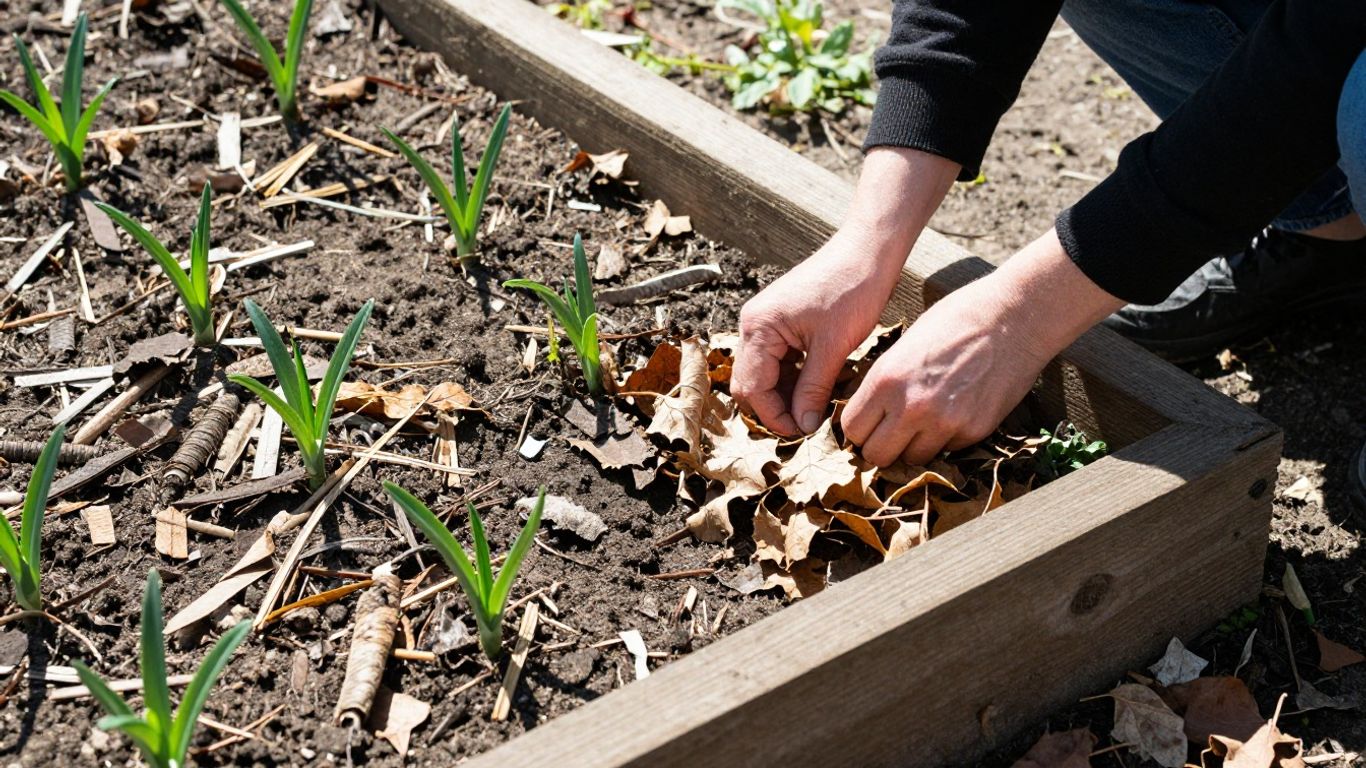
Gardens wake up from their winter dormant state with a rapid demand for renewed care. Cleaning out the remnants of winter serves more than just an aesthetic purpose; it clears the way for fresh growth. Properly managing these beds early in the year simplifies subsequent upkeep throughout the entire growing season.
Clearing winter debris and detritus
Accumulated organic matter often harbors pests or fungal spores that become active as temperatures rise. Removing dead leaves, broken stalks, and fallen twigs allows air to circulate around plant bases, preventing blight. Clearing this material by hand or with blowers restores a neat appearance to mulch beds and borders.
Renewing mulch layers for soil moisture and aesthetics
Fresh mulch does more than provide a polished look to beds; it functions as a critical thermal blanket. A layer of organic material traps moisture and suppresses opportunistic weed seeds that would otherwise take root in exposed dirt. The following table summarizes the ideal mulch depths for different landscape environments.
| Location Type | Recommended Depth | Material Benefit |
|---|---|---|
| Shaded Beds | 1.5 – 2 inches | Fungal protection |
| Open Sunny Beds | 2 – 3 inches | Moisture retention |
| Sloped Areas | 1 – 2 inches | Erosion control |
Dividing and transplanting overgrown perennials
Spring offers the final comfortable window for moving plants before the intense summer heat sets in. Dividing clumps that have become too large improves air circulation, which is vital for preventing powdery mildew in dense varieties. By separating these sections, you can rejuvenate older plantings while simultaneously increasing your inventory of healthy specimens.
Edging techniques for crisp property boundaries
Defining the edges of shrub beds provides a professional, high-end feel to any property. Clean lines act as a physical barrier that prevents encroaching grass from invading the planting areas. Practitioners often utilize a variety of tools to achieve sharp, deep trenches that frame the landscape effectively.
Tree and shrub health maintenance
Structural integrity and aesthetic pruning should remain a top priority as growth resumes. Assessing branches for damage ensures that your trees handle seasonal winds without becoming hazards. For comprehensive care and specialized arborist intervention, commercial tree services are essential for maintaining the overall safety of your property.
Structural pruning for dormant growth
Pruning while plants remain in a dormant state preserves energy and encourages strong limb development. Reducing mass in the upper canopy permits more light to reach lower foliage, balancing the silhouette of both flowering and evergreen shrubs. This focus on long-term structure reduces the need for heavy canopy removal later in the season.
Identifying and removing winter-damaged branches
Winter often leaves behind brittle wood and broken stems that can invite opportunistic insects. Carefully inspecting all canopy levels allows for the clean removal of these damaged sections before they cause further dieback. This corrective pruning prevents potential failure points during summer storm events.
Applying preventative dormant oil sprays
Applying specialized horticultural oils serves as a proactive defense against overwintering insects such as scale or mites. Coating stems during the pre-bud burst phase smothers these pests, significantly reducing the population density before they gain a foothold. This measure protects the integrity of sensitive species from early insect feeding damage.
Mulch ring expansion to protect root zones
Expanding mulch rings creates a wider safety zone around the trunk, shielding delicate root systems from mower blight. A generous buffer zone ensures that machinery never makes direct contact with the bark. Maintaining this distance is a simple yet effective technique for promoting tree longevity and preventing common physical damage.
Irrigation and water system activation
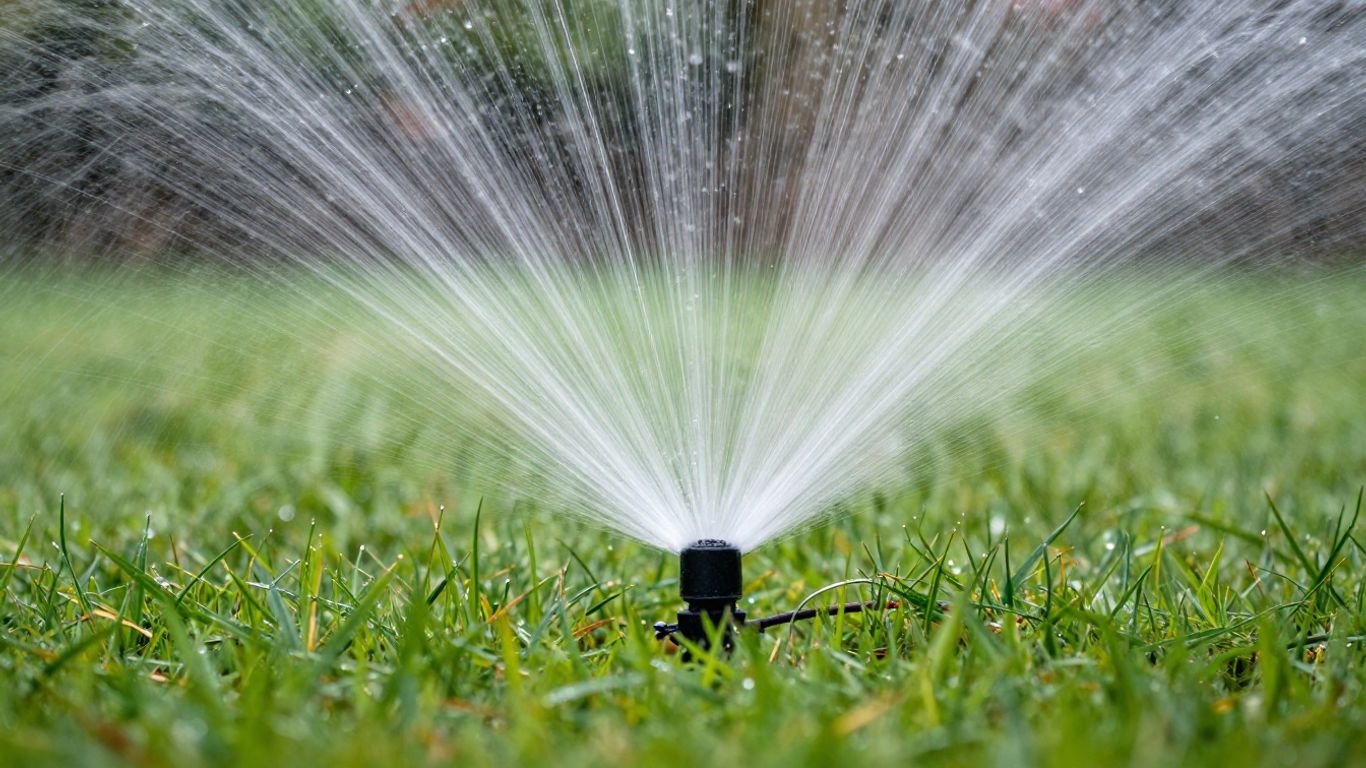
Preparing water systems for the upcoming season requires a systematic check of all mechanical and pressure components. Ignoring leaks or misaligned heads leads to wasted water and uneven plant health. A thorough inspection process ensures that all zones function correctly before the primary heating months arrive.
Pressure testing lines and inspecting for winter pipe damage
Slowly pressurizing the system allows for the detection of leaks that may have occurred when pipes frozen during the colder months. Visible damp spots in the landscape or low pressure at terminal heads serve as strong indicators of underground failure points. Fixing these issues early prevents water loss during the intense summer irrigation cycle.
Adjusting zone schedules for early season hydration needs
Native landscapes and temperate plants have vastly different water requirements as the season matures. Adjusting timers in early spring avoids over-saturating the soil while providing enough hydration to support new budding. Following an Irrigation Audit serves as a data-driven path to optimizing these individual zone durations.
Calibrating controllers based on local weather patterns
Modern weather-based controllers permit far more precise water delivery than static timers. These devices monitor local evaporation rates and adjust watering cycles automatically when rainfall occurs. Using these systems ensures that property water usage stays tightly aligned with the fluctuating local climate.
Cleaning and realigning sprinkler heads for optimal coverage
Dirt and scale regularly block nozzles during the off-season, leading to dry patches in lawns. Technicians must manually clear these orifices and adjust patterns to ensure no water hits paved walkways. The following steps simplify the alignment process:
- Fully extend the sprinkler head to clear trapped grit.
- Adjust the spray radius to ensure overlap only between adjacent heads.
- Verify soil moisture penetration by digging small inspection holes.
- Replace any warped nozzles that display inconsistent spray patterns.
Once completed, confirm that the arc is centered on the intended target area without allowing significant overspray onto adjacent structures.
Hardscape and site drainage inspection
Managing non-living landscape assets requires the same attention to detail as plant health. Periodic inspections prevent minor issues like small cracks from becoming major, expensive repairs. A consistent audit schedule ensures that infrastructure remains safe, functional, and visually appealing for all site users.
Pressure washing high-traffic walkways and plazas
Removing accumulated dirt, pollen, and mildew restores the aesthetic value of paved surfaces. Beyond the immediate visual improvement, cleaning these areas eliminates slippery films that constitute a significant liability concern. Using the appropriate nozzle spray patterns protects the finish of stone and pavers during the cleaning process.
Clearing drainage grates and managing site runoff
Obstructions in drainage pathways are the leading cause of standing water and potential property flooding. Clearing out sediment and leaves ensures that grates remain open to channel water away from foundations during heavy downpours. Maintaining a clear path for storm water protects both the landscape and associated buildings from moisture damage.
Checking paving joints for shifting pavers or weed penetration
Joint sand prevents shifting, but it also provides a bed for opportunistic weed growth if left untreated. Sweeping in new joint sand or stabilizing the cracks helps keep surfaces tight and level throughout the season. Regular inspections identify any areas that require new filler before the paving segments loosen significantly.
Evaluating concrete and stone structures for structural degradation
Freeze-thaw cycles frequently compromise the structural stability of masonry features. Checking for new cracks or shifting stone plates allows for targeted patching rather than full-scale reconstruction. Early detection is paramount because water entering small fissures will inevitably lead to larger, more disruptive structural fatigue.
Pest and disease management strategies
Proactive management relies on a combination of visual surveillance and data-driven oversight. Keeping a vigilant eye on specific plant species allows for the containment of localized outbreaks before they spread. This strategic approach ensures that treatments remain targeted and efficient for various landscape services throughout the calendar year.
Identifying early indicators of fungal growth
Spring humidity often provides the ideal atmosphere for fungal pathogens to colonize ornamental plants. Yellowing leaves, spots, or fuzzy growth on stems serve as early warning signals that the environment has become too favorable for infection. Quick identification allows for the removal of limited, infected sections instead of full chemical treatments.
Implementing integrated pest management (IPM) protocols
Following a true IPM methodology focuses on long-term prevention through cultural and biological controls. This involves encouraging beneficial insects, choosing resistant plant varieties, and only resorting to chemical applications when thresholds are crossed. These tactics create a balanced environment that discourages major pest infestations naturally.
Protecting sensitive plants from lingering seasonal frosts
Unseasonable late frosts can easily damage tender, newly emerged spring foliage. Monitoring overnight forecasts dictates when to use protective coverings or additional ground moisture to trap heat for vulnerable species. Proper preparation minimizes the shock and recovery time for plants exposed to these sudden, cold, low-temperature spikes.
Maintaining digital logs for client site health reporting
Documenting treatment dates and plant condition reports creates an essential history of your site health. Tracking these cycles reveals recurring patterns, such as where pests tend to appear each year, allowing for more accurate, future budget forecasts. Maintaining these precise records provides a baseline for evaluating the success of ongoing management strategies.
Conclusion
Following a meticulous approach to landscape maintenance ensures the longevity and beauty of your property. By checking items off this Spring Landscape Maintenance Checklist, you create environments that thrive through the seasons while minimizing risks. Prioritizing consistent care and observation simplifies property upkeep, ultimately resulting in a vibrant, professional-looking landscape that stands the test of time.
Frequently Asked Questions
When is the ideal time to start spring landscape maintenance?
Maintenance should begin as soon as the soil temperatures consistently remain above 50 degrees Fahrenheit, which usually coincides with the absence of hard frost.
How often should my lawn be aerated?
High-traffic lawns typically benefit from annual or semi-annual aeration, though frequency depends on soil type, usage levels, and compaction indicators.
Can I prune my shrubs at any time?
Pruning timing depends heavily on the plant species, typically following their flowering cycle, though dormant pruning in late winter is standard for structural integrity.
What do I do if I see brown spots in my lawn?
Brown spots often indicate issues with irrigation coverage, pests, or fungal disease, so accurate diagnosis is necessary before applying any treatments.
How often should I check my irrigation controller?
Controllers should be tested during the start-up phase and monitored monthly to ensure that zone schedules correctly match the changing local weather.
Is it necessary to remove all winter debris from garden beds?
Removing most debris is essential for allowing air movement and identifying issues, although some gardeners leave light mulching in place for natural warmth.
Why do I need to keep digital logs of my landscape health?
Digital records allow you to track long-term trends and chemical applications, helping to predict future needs and measure the progress of your maintenance efforts.