
Professional Tree Care Services: Benefits, Process, and Costs
- June 20, 2026
- By Arthur Gray
The benefits of professional tree care services
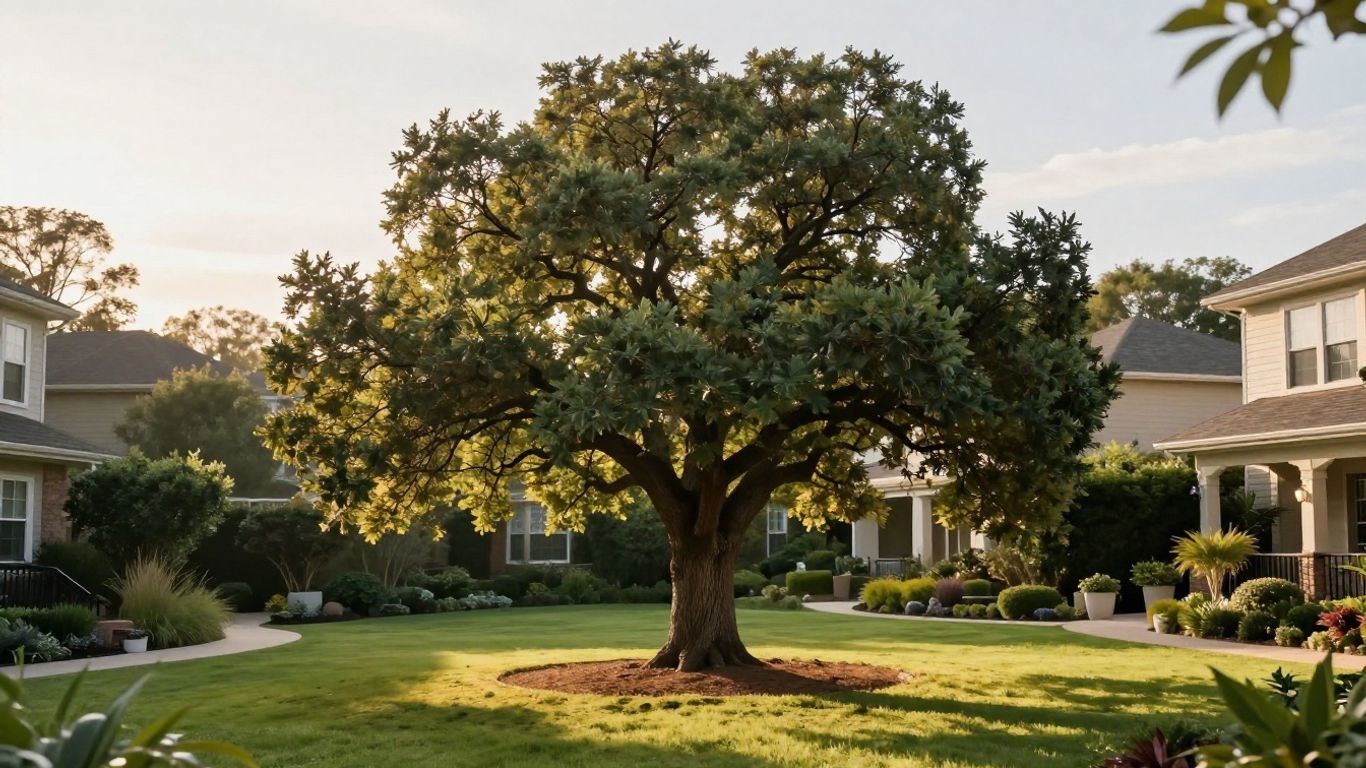
Properly maintained trees serve as essential assets to any residential or commercial outdoor space. Investing in top-tier tree care Services enhances the structural integrity of your landscape while promoting long-term ecological balance. Professional intervention ensures that every limb is healthy, providing shade and wind protection for your property.
Enhancing tree health and longevity
Trees require consistent attention to thrive amidst shifting climate conditions and local environmental stressors. By utilizing professional pruning and regular health checks, you protect your arborous assets from decline. Tree Care Enterprises offers specialized guidance to foster nutrient uptake and canopy development, ensuring your trees endure for decades to come.
Improving property safety and risk mitigation
Falling limbs and weak structural unions pose significant threats to infrastructure and homeowners alike. Routine inspections identify potential hazards before they escalate into structural failures or property damage. Proactive management reduces the likelihood of emergency tree removal while maintaining the physical integrity of your surroundings.
Increasing real estate value and curb appeal
A well-manicured landscape conveys pride of ownership and maximizes the visual appeal of any property. Mature, healthy trees contribute significantly to higher valuations, often acting as the focal point of a well-designed estate. Investing in regular maintenance provides a measurable return on investment that enhances the total value of your home or business site.
Disease and pest management strategies
Monitoring for early signs of infestation is crucial to preventing landscape-wide die-offs or spread of pathogens. Trained crews evaluate foliage, bark, and soil conditions to catch subtle warnings of blight or insect activity. Effective intervention involves scientifically grounded treatment plans tailored to the specific ecological needs of your trees.
Common types of tree care services
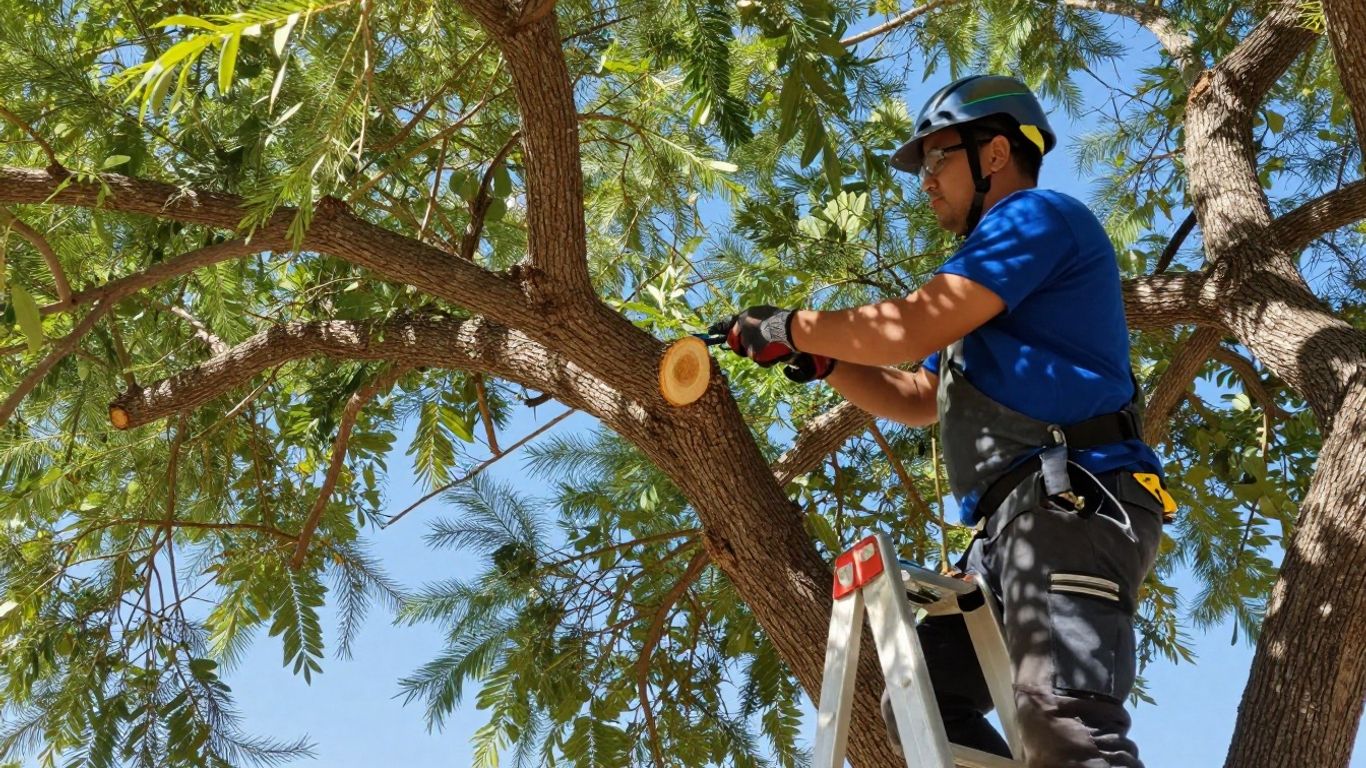
Trees in desert climates face unique demands, requiring a diverse set of professional interventions. From managing structural risk to ensuring proper sunlight penetration, specialized crews manage the landscape with precision and care. Services are typically scheduled based on species-specific growth cycles and environmental triggers.
Routine pruning and trimming techniques
Regular trimming involves removing dead, crossing, or weak branches to support vibrant growth and tree shape. Paradise Valley Tree Service employs precise pruning strategies that thin the canopy to improve air circulation. This careful work enhances the tree’s health while maintaining its natural form.
Dangerous tree and stump removal
When a tree reaches the end of its life or presents an unmanageable hazard, safe removal is necessary to minimize site risk. Crews dismantle large or compromised specimens section by section to avoid impacting structures or nearby plantings. Stump grinding follows to ensure the area can be reclaimed for new landscaping projects.
Cabling and bracing for structural support
Mechanically reinforcing split stems or heavy, reaching branches helps preserve trees that have structural weaknesses. This technique uses high-strength cables or steel rods to redistribute weight and lower the risk of branch failure. Professional hardware installation provides the mechanical support needed to stabilize valuable, mature trees.
Fertilization and soil health treatments
Modern tree care incorporates specialized soil amendments and targeted fertilization to replenish nutrients in urban and suburban environments. These treatments encourage deeper root growth and leaf vigor, particularly in poor soil conditions. Effective soil management programs prioritize:
- Root system aeration for improved oxygen access
- Balanced macro-nutrient delivery tailored to seasonal requirements
- Bio-stimulant applications to support beneficial mycorrhizal fungi
- Moisture-retention assessments for optimal drought resilience
- Periodic monitoring of soil pH levels for mineral balance
Following these treatments, trees often show improved resistance to environmental stressors.
The professional tree care process: from inspection to execution
Managing an established landscape begins with a systematic evaluation of site conditions and plant vitality. Professionals observe growth habits, soil moisture, and pest presence to formulate a comprehensive approach. This structured methodology guarantees that every procedure is accounted for before work begins.
Initial site assessment and health diagnostics
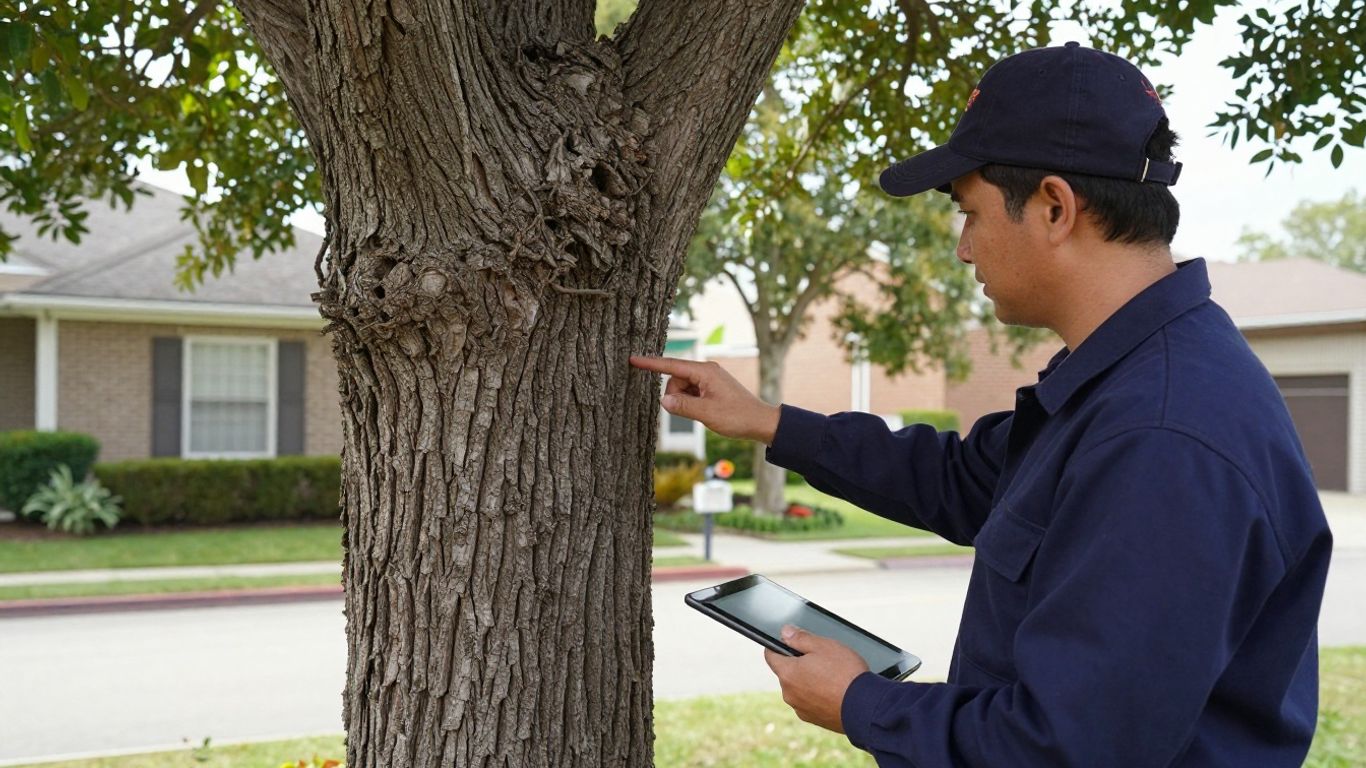
Assessment phase technicians perform a top-to-bottom walk-through to determine the health status of every tree on site. They look for evidence of fungal colonization, mechanical damage, or nutrient deficiencies affecting foliage color. This rigorous data collection acts as the foundation for all subsequent management activities.
Developing a customized maintenance plan
Rather than applying generic solutions, the maintenance plan should mirror the unique needs of your specific canopy. This document explicitly outlines what treatments are required throughout the year, from dormant season pruning to summer hydration schedules. A clear plan keeps the property on track for peak health.
Safety protocols and equipment usage during operations
Large-scale tree operations demand stringent adherence to worker safety guidelines and industry-standard equipment utilization. Crews employ aerial lifts, ropes, and lowering devices to maintain total control of every operation. This dedication to safe, controlled movement minimizes operational risks to personnel and structures.
Post-service cleanup and site restoration
Cleanup ensures that the surrounding environment remains orderly immediately after the work concludes. Professional crews remove all woody debris, haul away organic waste, and perform minor restoration to soil or lawn disturbances caused by equipment. Leaving the site in pristine condition is the final step in high-quality tree maintenance.
Factors influencing the cost of tree care services
Pricing for professional services varies widely depending on the nature of the project and the technical requirements for site access. Budgeting requires weighing the size and complexity of the task against long-term maintenance goals. A clear understanding of these market variables helps homeowners and business owners plan effectively.
Tree size, species, and overall accessibility
Large trees require more labor, fuel, and time to climb or manage via equipment than smaller specimens. Accessibility remains a top driver of cost, as obstacles like fences or steep topography complicate site ingress. The following table illustrates estimated cost drivers based on site factors.
| Variable Factor | Impact on Pricing | Management Requirement |
|---|---|---|
| Tree Height | Significant | Requires longer labor time |
| Nearby Power Lines | Critical | Needs specialized utility clearance |
| Tight Access | Moderate | Requires manual rigging gear |
These variables are assessed on-site to ensure the estimate aligns with the specific environment of your landscape.
Complexity of the job and specialized equipment needs
Jobs involving delicate surroundings or rare species require advanced technical skill and specialized hydraulic or climbing gear. Professionals must charge for the heightened insurance risk and expertise required for complex canopy work. Reliable equipment ensures these delicate tasks are performed without collateral damage.
Emergency services versus scheduled maintenance pricing
Scheduled maintenance benefits from optimized route planning and efficient labor allocation, which keeps costs lower. In contrast, emergency storm response requires immediate mobilization, often necessitating after-hours availability or dangerous working conditions. Prioritizing routine service is the most effective strategy for cost management.
Geographic location and regional market rates
Local demand, regional fuel costs, and insurance market rates influence the standard pricing for professional arborist crews. Competition and service availability in specific zones, such as areas serviced by Tree Service, further adjust regional rates. Understanding the local baseline provides realistic expectations for service costs.
When to hire a certified arborist vs. a general landscaper
Distinguishing between a general yard maintenance provider and a trained arborist is vital for maintaining the longevity of valuable woody plants. Professionals certified in arboriculture possess the technical expertise required for complex physiological interventions. Relying on the right specialist protects your investment.
Recognizing the importance of ISA certification
ISA certification confirms that an individual has demonstrated significant knowledge in tree biology, safety, and modern pruning standards. Working with these specialists guarantees adherence to industry-standard botanical care. This credential serves as a reliable marker for selecting knowledgeable, safety-conscious service providers.
Distinguishing between aesthetic landscaping and arboriculture
Landscapers primarily manage groundskeeping tasks like lawn mowing or flower planting on a routine basis. Arboriculture focuses exclusively on the long-term health and structural biology of trees. Choosing the appropriate specialist ensures your trees receive the deep care they require rather than simplistic cosmetic trimming.
Assessing the technical needs of damaged or diseased trees
Trees showing signs of disease or structural damage require precise diagnostic skills that extend beyond common lawn care. Only experts are equipped to treat internal pathogens or correct structural load imbalances using proven, non-destructive methodologies. Entrusting these issues to untrained staff often exacerbates the underlying health problem.
Liability, insurance, and professional accountability
Professional, accredited companies carry comprehensive liability insurance, shielding you from potential damages during complex operations. They also maintain rigorous accountability for their practices, providing written estimates and adherence to safety protocols. A formal professional contract offers peace of mind whenever high-risk overhead work is required.
Seasonal maintenance tips for optimal tree growth
Properly managing growth requires a focus on seasonal biological cycles and meteorological changes. Each phase of the year dictates specific activities, from nourishing the roots to pruning the canopy. Tracking these milestones helps provide the consistent support trees need throughout the year.
Dormant winter pruning for structure and vigor
Winter is the ideal time for substantial structural pruning, as the tree’s energy reserves are stored in the roots and the canopy is visible. Clear visibility allows arborists to select branches for optimization without obstruction from leaves. Pruning before spring growth cycles begin encourages vigorous new development when temperatures rise.
Spring inspection and early pest intervention
As trees exit dormancy, watch for leaf emergence and signs of insect activity or fungal growth that might limit production. Early intervention stops spreading pests before they can cause widespread canopy loss. A simple professional inspection early in this season identifies hidden stressors that require a quick, targeted response.
Summer hydration and mulching requirements
Summer’s intense heat necessitates vigilant monitoring of moisture levels, especially for native desert species which may be drought-stressed. Proper mulching helps regulate soil temperature and moisture, preventing evaporation around the root flare. Staying proactive throughout the peak heat months prevents irreversible damage to the tree’s health.
Autumn leaf management and nutrient replenishment
Fall marks the shift toward energy storage and root conditioning as trees prepare for the winter months. Removing fallen leaves prevents the accumulation of diseases or lingering pests. Applying organic fertilizer or soil enhancements during this transition builds the nutrient foundation necessary for a healthy spring season.
Conclusion
Professional tree care represents a significant commitment to the safety, beauty, and ecological wellbeing of your landscape. By prioritizing a mix of routine maintenance and expert diagnostic intervention, property owners ensure that their trees thrive for years. Selecting qualified partners is the most reliable way to maintain these valuable assets while preserving the character and structural cohesion of your property.
Frequently Asked Questions
How often should I have my trees professionally inspected?
It is ideally recommended to have your trees evaluated by a certified arborist at least once a year. This allows for the early detection of seasonal pests, structural issues, or signs of environmental decline before they become life-threatening to the tree.
Can I prune my large trees myself without professional help?
Managing large trees requires high-elevation access, specialized cutting equipment, and a deep understanding of botanical structure that most owners do not possess.DIY attempts often lead to unsafe cuts that prevent proper healing and can permanently damage the durability of the tree.
What are the main benefits of tree cabling and bracing?
Cabling and bracing provide necessary mechanical support to heavy limbs or co-dominant stems that are prone to splitting easily under high wind loads. This method preserves mature, structural assets that might otherwise require removal due to the risk of limb failure.
Does fertilization always improve the health of my trees?
Fertilization is beneficial only when the tree exhibits specific nutrient deficiencies that can be addressed by soil amendments. Over-fertilization can result in weak, rapid growth that is often more susceptible to insect attack and environmental drought stress.
How does soil health contribute to tree longevity?
Trees draw all their essential water and mineral resources through their root systems, which are governed by the condition of the surrounding soil. A healthy soil environment with proper aeration and biological diversity supports efficient nutrient uptake and robust growth cycles.
What makes a tree removal necessary?
Removal is generally considered a last resort when a tree is dead, diseased beyond treatment, or poses an immediate structural risk that cannot be mitigated through pruning or bracing. Each case is different, and an arborist will only recommend removal if restoration is impossible.
Why is ISA certification important for tree service providers?
ISA certification confirms that an arborist has undergone a verified testing process to demonstrate their knowledge of tree biology and safety. This credential acts as a standard for professionalism, ensuring that the service provider follows modern, research-backed practices in all work performed.