
How Do You Get Rid of Fungus on Trees
- May 19, 2026
- By Arthur Gray
Identifying the types of fungus on trees
Identifying a persistent fungus on trees is the first step toward effective management. Not all growths are harmful, so careful observation of the specific characteristics can help you determine the severity of an infection. Trees often exhibit different symptoms depending on the type of pathogen present and the current health of the host.
Differentiating between parasitic and saprophytic fungi
Parasitic fungi actively feed on living cells and can kill the host, whereas saprophytic fungi typically feed on dead or decaying wood. You can inspect the location to see if the growth is focused on a live branch or a previously damaged heartwood section.
Recognizing signs of root rot versus canopy decay
Root rot often manifests as thinning foliage, yellowing leaves, or stunted growth because the tree cannot absorb water. Conversely, canopy decay is often seen through limb failure or abnormal bark texture in the upper branches.
| Infection Type | Primary Feature | Potential Management |
|---|---|---|
| Root Rot | Wilting leaves | Soil drainage improvement |
| Canker | Depressed bark | Pruning diseased limbs |
| Shelf Fungus | Wood decay shells | Professional structural assessment |
These indicators provide clear evidence of whether the health issues are affecting the foundational health of the tree or just the limbs.
Observing leaf spots and fungal fruiting bodies
Leaf spots often result from fungal movement during wet seasons, appearing as localized necrotic patches on the foliage. Fruiting bodies, such as mushrooms or conks, are the visible reproductive parts that emerge when internal decay has already reached an advanced state.
Utilizing diagnostic tests for wood decay
Using an expert tree care professional can involve advanced diagnostic tools to sound the tree or use specialized equipment to assess core health. This testing determines if the internal fibers remain strong enough to support the tree’s weight safely.
Cultural practices for fungal removal
Managing fungal growth often starts with physical intervention to remove the sources of the spores. By focusing on your yard, you can create a less hospitable environment for these pathogens to thrive and spread.
Sanitation techniques during the pruning process
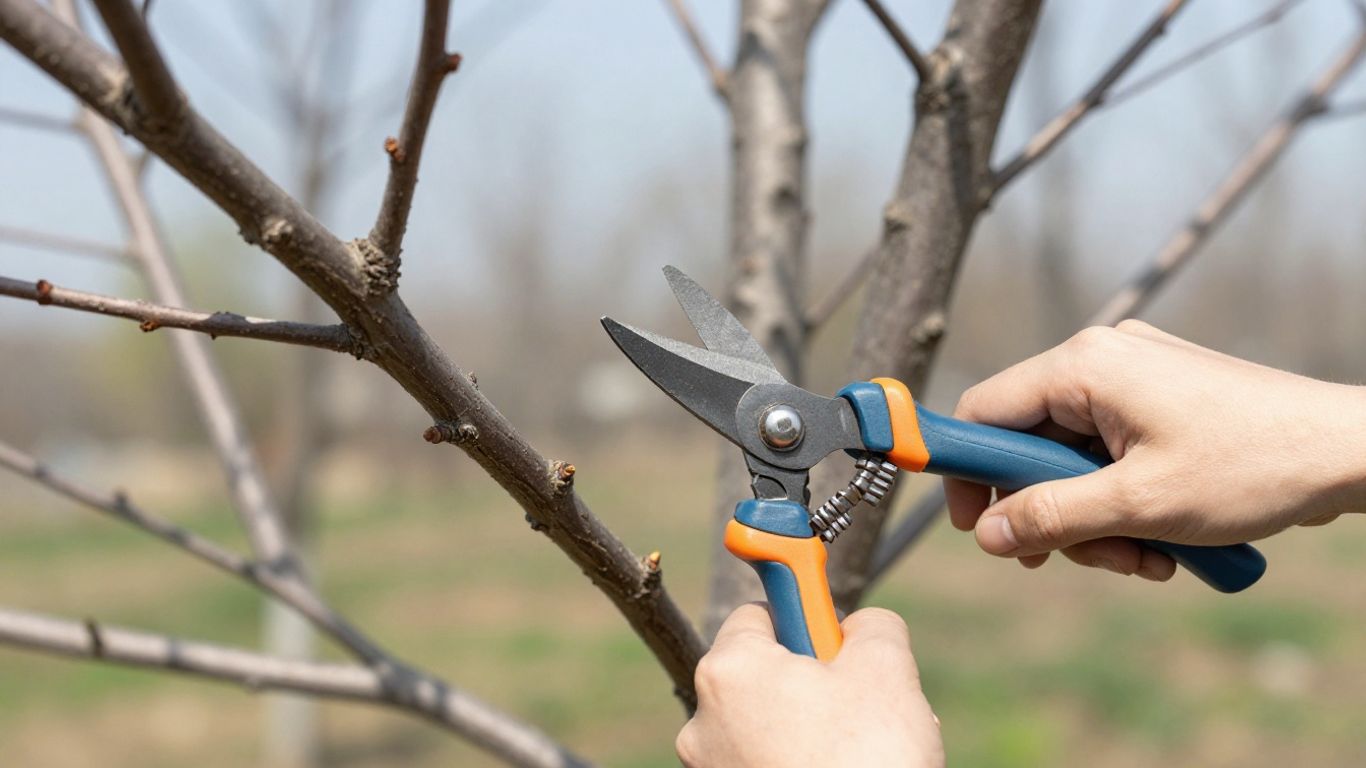
Sanitation is vital whenever you are working with infected wood. Cleaning your tools after every cut prevents you from inadvertently moving fungal spores to healthy sections of the same tree or neighboring plants.
Removing infected branches to prevent further spread
Removing infected branches allows the tree to focus its energy on defense rather than fighting off intense fungal growth. Effective corrective pruning involves making clean, precise cuts just outside the branch collar to encourage faster callous formation.
Proper disposal of infected wood material
- Never leave infected pruning debris on site
- Avoid using infected wood as mulch
- Dispose of waste through professional pickup services
- Burn or bury heavily infested wood to stop spore release
Following these steps ensures that you are not simply shifting the problem around your landscape.
Maintaining adequate airflow through the tree canopy
Increasing airflow reduces the duration of leaf wetness and lowers humidity within the canopy, which helps stop spore germination. Thinning dense canopies is a critical part of routine landscape maintenance.
Chemical management and fungicide application
Chemical treatments are sometimes necessary when environmental changes and cultural practices are not enough to curb an infection. It is critical to target exactly which strain is present to ensure the chosen treatment works.
Selecting the correct fungicide for specific fungal strains
Different products target specific types of mold, rust, or wilt. Always read manufacturer labels to ensure the substance is compatible with your tree species.
Determining the best timing for protective applications
Timing is everything when it comes to disease prevention. Applying fungicides before the symptoms appear, or during specific wet weather windows, maximizes the chances of stopping the cycle.
Understanding the limitations of surface sprays
Surface sprays only cover the outside of the foliage and bark, meaning they cannot reach internal decay. If a tree has internal heart rot, external sprays provide little to no long-term mitigation.
Safety considerations when handling chemical treatments
Always wear protective gear and ensure that pets and people stay clear of the area during application. Proper storage of these materials is just as important as the professional application process itself.
Improving overall tree health and growing conditions
Healthier trees possess the inherent ability to fight off many common fungi. By improving the inputs, you strengthen the tree’s natural defense against intrusion.
Addressing poor soil drainage and waterlogging
Waterlogged roots provide the perfect entry point for many soil-borne fungi. Correcting the soil composition or adding drainage pipes can save an entire tree from root-based decay.
Correcting nutrient deficiencies to boost natural defenses
Nutrient-starved trees are much more susceptible to infection. Regular soil testing helps pinpoint genau which minerals might be missing from your landscape to keep the growth cycle strong.
Modifying mulching techniques to reduce spore transmission
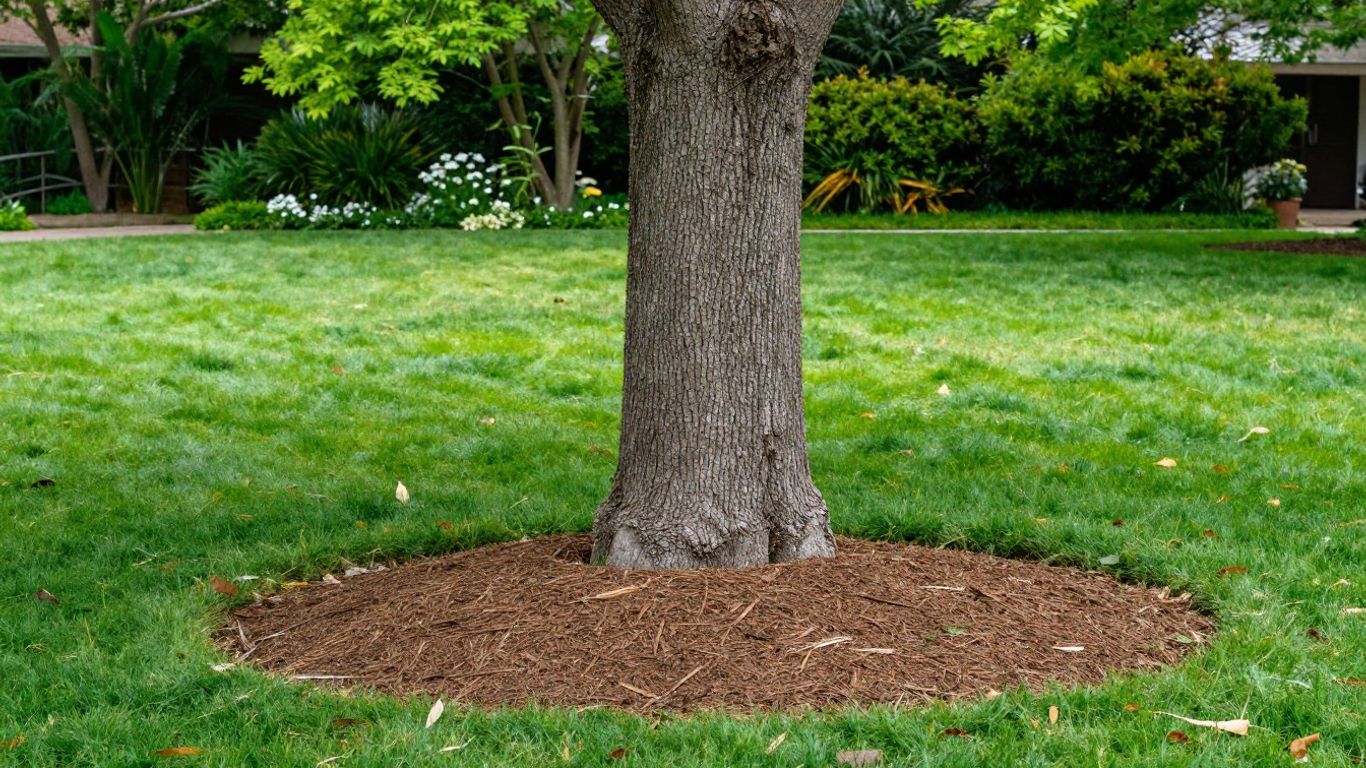
Applying mulch directly against the bark can trap moisture and encourage fungal growth. Always maintain a small gap between the mulch layer and the trunk to keep the bark dry.
Managing seasonal moisture levels in the root zone
During dry spells or wet winters, monitoring the irrigation levels in the root zone is key. Proper water management helps the tree maintain a stable and healthy growth rate through every changing season.
When to seek professional arborist services
Sometimes the problem is too dangerous for a DIY approach. When fungal issues compromise safety, experts provide the necessary experience for a complete evaluation.
Indicators of irreversible structural damage
If you see large fungal conks, deep cracks, or significant bark loss near the base, the tree may be structurally unstable. Calling local tree removal services experts is essential if the tree poses any risk to nearby structures.
Assessing the risk of tree failure and property damage
Evaluating external cues alongside internal stability allows professionals to decide if the tree can be saved or if it poses a threat. They keep property safety in mind throughout the entire process.
Utilizing specialized equipment for systemic fungicide injection
Injecting fungicides directly into the tree provides a more targeted approach than topical sprays. This requires precise equipment and training to minimize damage to the tree’s vascular system.
Evaluating requirements for safe, large-scale tree removal
If a tree cannot be saved, full removal must be handled with care to prevent debris from damaging the landscape. This includes professional cleanup and stump management.
Long-term strategies for prevention
Prevention is fundamentally about creating a landscape where trees can survive independently. Long-term health requires a consistent plan that anticipates seasonal threats.
Selecting fungus-resistant tree species for your landscape
When adding to your garden, choose species that are naturally resistant to common local diseases. This drastically lowers the amount of management required over the life of the tree.
Implementing a consistent annual health monitoring schedule
Checking for changes every season allows for early intervention before a problem becomes severe. Keep a record of changes to see if a disease is trending worse over years.
Minimizing physical wounding during lawn care tasks
Lawnmowers and weed whackers create wounds in the bark that allow fungi to enter the tree. Protecting the base with a clear zone prevents these common but avoidable injuries.
Managing surrounding vegetation to prevent host-to-host transmission
Some diseases spread quickly between neighboring plants of the same species. Giving trees enough space reduces the chance that an infection will bridge from one host to the next.
Conclusion
Dealing with tree fungi requires a blend of close observation and proactive landscape care. By addressing the health of the individual tree, improving soil quality, and knowing when to call in experts for structural concerns, you can protect your trees for years to come. Staying diligent with your maintenance schedule remains the best pathway for ensuring a vibrant, disease-free yard.
Frequently Asked Questions
Is all tree fungus harmful to my tree?
No, many fungi are beneficial as they help break down dead organic matter and cycle nutrients back into the soil, but some parasitic species directly damage the health of living tissues.
How can I tell if a fungus is killing my tree?
If the tree exhibits thinning leaves, premature leaf drop, dieback in branches, or rot at the base, it often suggests the fungus is parasitic and is causing irreversible damage to the tree’s systems.
Can I treat fungal infections myself?
Minor issues like leaf spot can often be managed through pruning and improved cultural practices, but deep wood decay or root rot typically require a certified professional’s assessment to avoid serious hazards.
Why does mulch sometimes encourage fungal growth?
Mulch against the bark traps constant moisture, which deprives the bark of oxygen and provides the humidity needed for fungal spores to bloom and infiltrate the tree.
Should I remove a tree if it has shelf fungus?
Shelf fungus often indicates that the internal wood of the tree is significantly decayed, so you should have an expert evaluate the trunk’s structural integrity to see if it poses a liability risk.
How often should I check my trees for fungus?
A quick visual inspection once per season is usually sufficient, with closer examinations recommended following storm events or after long periods of heavy rainfall.
Are there specific trees that are more prone to fungi?
Trees already experiencing environmental stress, such as drought, nutrient deficiencies, or physical damage, are generally far more susceptible to fungal infections than healthy, established trees.