
What Are The Main Duties And Responsibilities Of A Arborist
- May 6, 2026
- By Arthur Gray
Professional tree pruning and maintenance
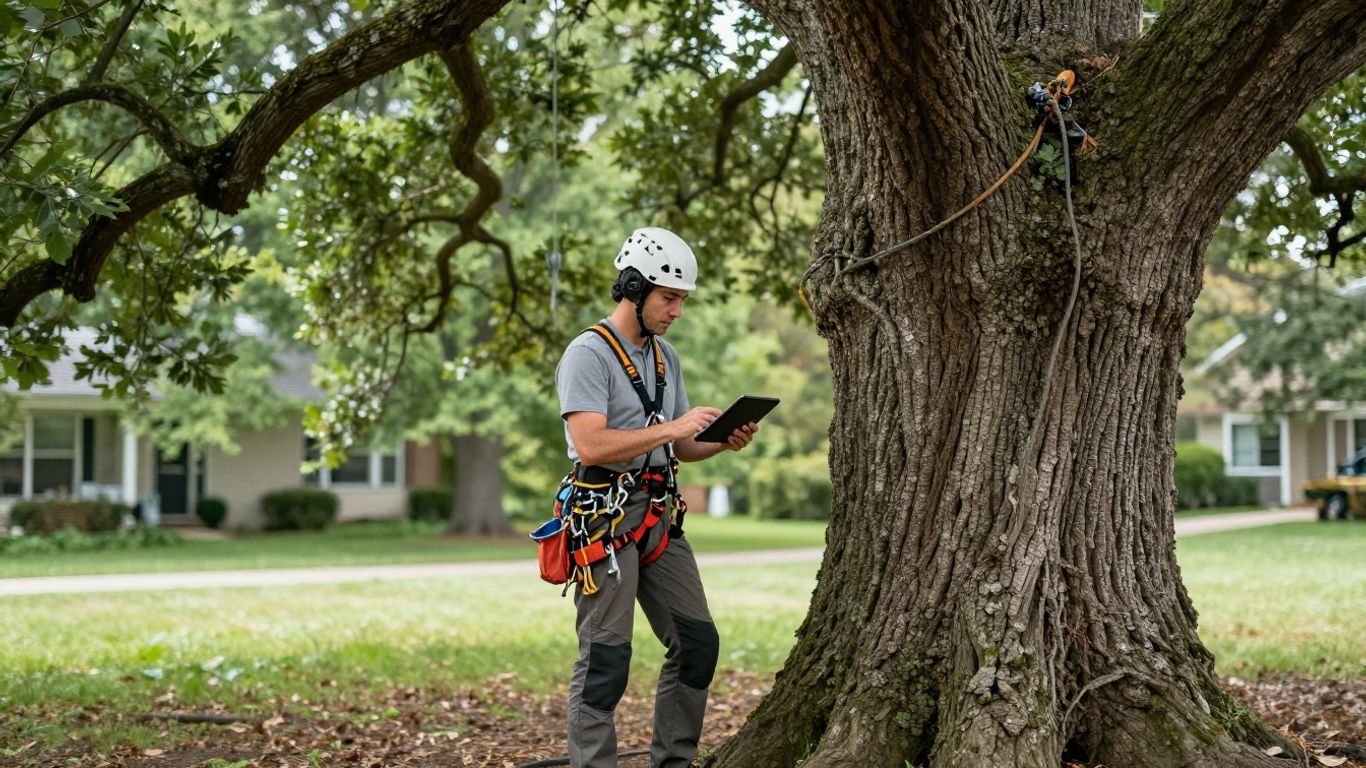
Professional arborists provide vital care to keep landscapes healthy and visually appealing throughout the year. While many homeowners attempt basic yard work, understanding the intricate art of arboriculture requires specialized training to ensure trees remain safe. By focusing on both biology and mechanics, these professionals ensure that local greenery continues to offer shade and environmental benefits for decades to come. Experts often provide professional tree pruning to enhance canopy structure and mitigate potential hazards.
Techniques for crown cleaning and thinning
Crown cleaning involves removing dead, diseased, or broken branches that could pose safety risks. Thinning, on the other hand, allows more light to penetrate the inner canopy and reduces wind resistance. This practice is essential for maintaining the overall vigor of mature trees.
Managing tree growth for long-term structural integrity
Managing growth patterns early in a tree’s life prevents the development of weak branch unions that may fail during storms. Arborists evaluate attachment points and provide corrective cuts to encourage more stable, upward growth habits. This long-term planning is critical for trees located near homes or public pathways.
Seasonal considerations for specific plant species
Different trees require distinct care schedules depending on their species and regional climate needs. A professional arborist adjusts fertilization and pruning timing to align with specific growth cycles, such as spring budding or autumn dormancy. Proper timing ensures that wound healing remains rapid and effective.
Diagnosing and treating tree health issues
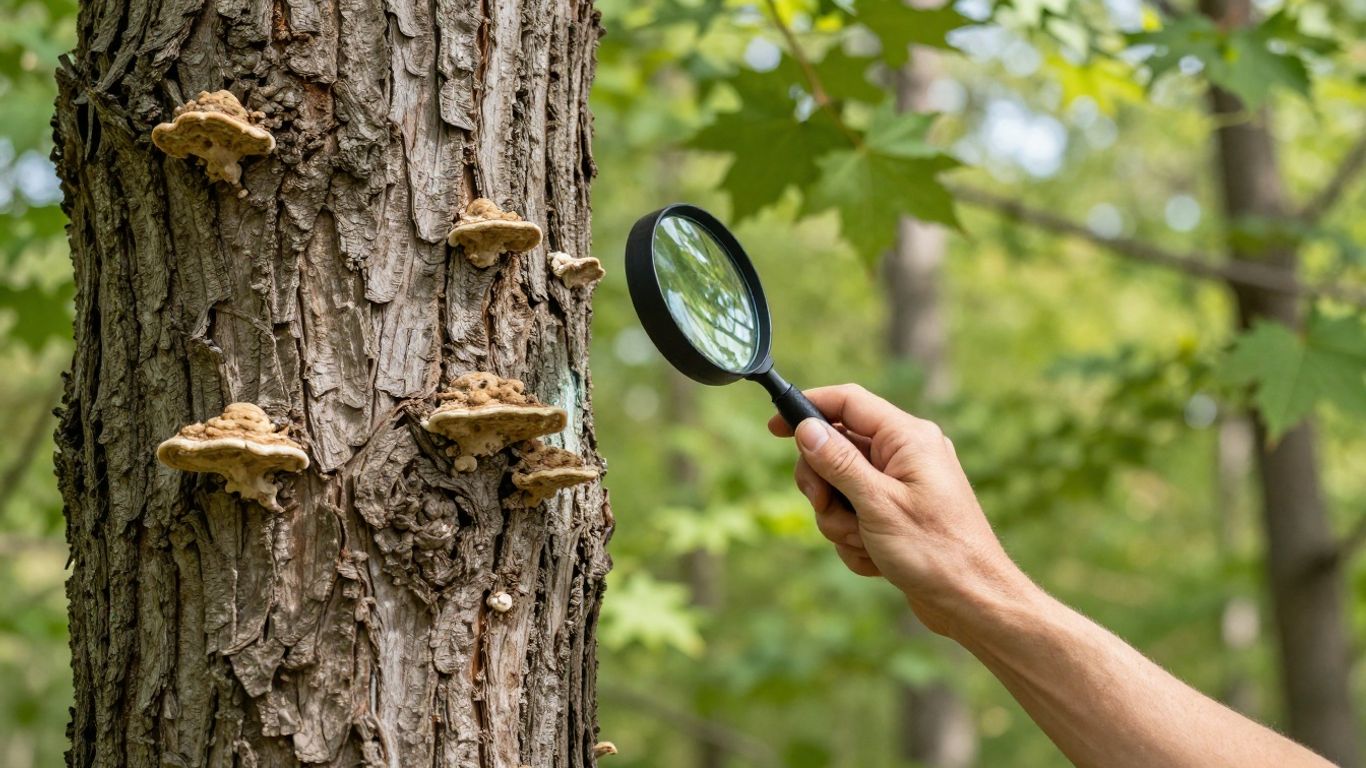
Trees often exhibit subtle signs of stress before major decline becomes visible to the untrained eye. Arborists serve as specialized practitioners who identify the underlying causes of chlorosis, leaf drop, or branch dieback. By analyzing both the environmental conditions and the tree’s biology, they create targeted recovery plans tailored to the specific needs of the landscape. Addressing these concerns early helps preserve valuable assets and keeps the local environment vibrant.
Identifying common pests and fungal infestations
Detecting signs of infestation requires a keen understanding of local pathogens and insect behavior. Professionals examine foliage, bark, and root zones for symptoms like boring holes or unusual fungal growth. Early identification allows for localized treatment rather than broad, unnecessary chemical intervention.
Soil analysis and nutrient management protocols
Soil health acts as the foundation for vitality, yet many urban soils lack essential nutrients or proper drainage. Arborists perform field tests to determine pH levels and organic matter content, which ensures every plant receives appropriate supplementation. The following table highlights common nutritional deficiencies found in urban landscapes.
| Nutrient Deficiency | Visible Symptom | Recommended Method |
|---|---|---|
| Nitrogen | Pale green foliage | Slow-release organic fertilizer |
| Iron | Yellow leaf veins | Soil-injected micronutrients |
| Magnesium | Older leaf browning | Foliar mineral application |
Correcting these imbalances allows for more robust growth and improved resistance against stressors throughout the year.
Implementing integrated pest management strategies
Integrated pest management emphasizes non-toxic techniques to keep landscape health stable. This approach often involves the following measures:
- Monitoring pest populations throughout the growing season
- Promoting natural predators like beneficial insects or birds
- Applying targeted horticultural oils for soft-bodied insects
- Removing damaged material that harbors infectious pathogens
These steps maintain ecosystem balance while minimizing exposure to synthetic substances in residential areas.
Risk assessment and hazard mitigation
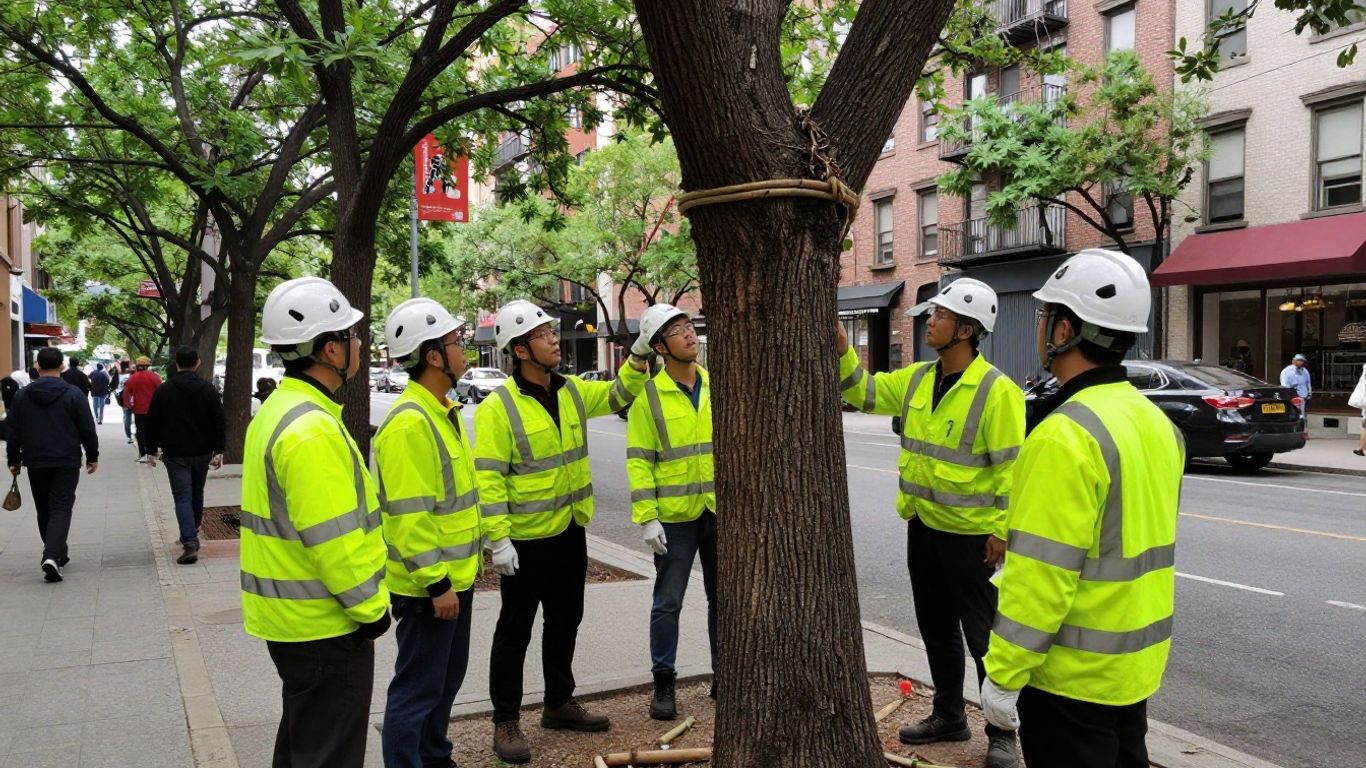
Public safety remains a primary concern for professionals tasked with keeping urban environments stable. Arborists perform detailed structural evaluations to determine if a tree requires maintenance, such as cabling, to improve stability. When risks become too significant, they utilize specialized procedures to ensure that safe tree removal occurs without impacting nearby property. This analytical approach makes Sunridge Canyon tree care or similar regional services essential for minimizing liability.
Inspecting trees for signs of internal decay or instability
Internal decay often hides behind seemingly intact bark, requiring advanced diagnostic equipment like sonic tomography or resistograph testing. Arborists look for signs like V-shaped branch unions, cavities, or mushrooms growing at the base. Detecting these hidden weaknesses prevents unexpected failure during high wind events.
Evaluation of structural risks in high-traffic urban areas
In crowded business districts, the targets beneath trees often include cars, power lines, and pedestrians. Professionals must provide comprehensive commercial tree services that account for the proximity of these targets. This evaluation helps building managers understand when to prune or remove branches to reduce legal and physical risk.
Procedures for safe tree removal and clearing storm damage
When a tree reaches the end of its life or sustains catastrophic damage during a storm, total removal is often unavoidable. Arborists use mechanical rigging and aerial lifts to lower sections safely, preventing impact damage to the surrounding landscape. Their cleanup protocols are equally rigorous to ensure the site is left clean and hazard-free.
Urban forestry planning and consultancy
Urban forestry focuses on the health and management of larger tree populations within municipalities. Arborists consult on how to integrate natural canopy cover into modern developments while maximizing environmental gains. By advocating for diverse species selections, they protect communities from the risks associated with monoculture planting. Professional planning ensures that future generations enjoy the benefits of a robust urban forest.
Inventory and mapping of local tree populations
Data-driven management starts with a complete inventory of existing trees, including species, age, and health status. Digital mapping tools allow municipal agencies to track maintenance records and plan for future planting. This documentation simplifies budget forecasting for long-term tree management projects.
Assisting with public infrastructure and land development projects
Arborists work alongside civil engineers to identify trees that must be preserved versus those impacted by construction. Their presence on project sites prevents damage to root zones through protective fencing and careful site planning. This collaboration ensures that valuable heritage trees remain part of the local scenery even after development.
Advocating for sustainable planting and climate resilience
Climate change presents new challenges for local plant life, including shifts in temperature and water availability. Arborists champion the use of native, drought-tolerant species that thrive in changing conditions while supporting local wildlife pollinators. Their recommendations help create landscapes that require fewer resources while offering maximum shade and CO2 absorption.
Essential safety equipment and professional certifications
Professional tree care involves significant physical risks, making safety equipment and standardized training non-negotiable. Qualified arborists must demonstrate mastery over both technical tasks and the machinery used daily in the field. Adhering to strict safety regulations ensures that every job is completed without injury to workers or damage to property. Investing in education and gear elevates the entire industry standard.
Mastery of climbing gear and aerial lift machinery
Technicians are trained to use sophisticated climbing harnesses, friction devices, and carabiners to navigate vertical spaces. When climbing becomes impractical, they operate hydraulic bucket trucks to reach high branches with precision. Regular inspections of this gear are mandatory to confirm that all load-bearing components remain sound.
Importance of adhering to ANSI safety standards
ANSI Z133 standards define the safety requirements for arboricultural operations, covering everything from chainsaw use to electrical hazard awareness. Following these guidelines is not just recommended, it is expected practice for reputable companies. Consistency in safety procedures creates a secure environment for all team members involved in complex field operations.
Gaining professional credentials through the ISA
Membership in the International Society of Arboriculture (ISA) signifies that a worker has attained a high level of expertise through rigorous examination. This credential requires continuous education, ensuring that professionals remain current with the latest techniques and research in tree health. Hiring a certified expert is the best way for property owners to guarantee quality work.
Conclusion
Arborists are essential stewards of our local landscape who combine science and skill to keep trees healthy, safe, and beautiful for years to come. From diagnosing complex health issues to managing structural stability, their expertise provides peace of mind for property owners and ensures the longevity of the urban canopy. Engaging professional services keeps your environment secure and flourishing.
Frequently Asked Questions
When is the best time of year to prune a tree?
Most dormant pruning should be completed in late winter before spring growth begins, though minor deadwood removal can happen throughout the year.
How often should my trees be professionally inspected?
Ideally, mature trees should receive a professional evaluation at least once a year, or immediately following severe weather events to identify potential hazards.
Can deep root systems damage my home foundation?
While root systems can sometimes exert pressure near structures, most concerns can be managed by experts who assess soil conditions and root patterns carefully.
What does an arborist do when a tree shows signs of disease?
They first diagnose the specific pathogen or pest, then implement a strategy that may include pruning, nutrient adjustment, or localized treatments to promote recovery.
Are there specific benefits to hiring a certified arborist?
Certified professionals possess validated knowledge of current safety and biological standards, ensuring that pruning and maintenance are performed correctly to prevent long-term damage.
Should I attempt to remove large branches myself?
Removing large branches involves significant safety risks and technical knowledge regarding physics and tree biology, so this task is best left to trained individuals.
How does tree pruning benefit my surrounding vegetation?
Proper thinning allows more sunlight to reach your lower plants and prevents the canopy from over-competing for resources like water and soil nutrients.