
The Best Time of Year for Tree Branch Trimming
- July 16, 2026
- By Arthur Gray
Understanding tree dormancy
Properly managing your landscape starts with recognizing the natural rhythm of your plants. Observing the cycles of growth and rest allows you to intervene only when it provides a genuine benefit. Understanding these phases is the foundation of successful Tree Branch Trimming efforts.
Why winter is typically the safest season
Most woody plants enter a state of dormancy during the colder months, making it the ideal window for structural management. The slowing of metabolic activity means that the plant is not actively pushing resources to new buds, so the impact of pruning is minimized. Many experts trust this period because the lack of foliage provides a clearer view of the branch structure, allowing for more precise cuts.
How sap flow influences recovery from cuts
During active seasons, sap moves vigorously through the vascular system of trees. Pruning when this flow is high can lead to excessive bleeding, which may draw unwanted pests or delay the closure of the wound. By waiting until the dormant winter phase, you allow the tree to stay undisturbed and ready to compartmentalize once spring temperatures arrive.
The biological risks of pruning during active growth periods
When you cut a limb while a tree is busy producing leaves, you force it to expend stored energy to seal the site rather than focusing on foliage development. This depletion can leave the tree vulnerable to secondary infections or environmental stress. It is often better to avoid heavy work while the canopy is fully expanded.
Preparing the tree for the upcoming spring flush
Strategic removal of dead or crossing branches in late winter positions a tree to direct all its energy into strong, healthy growth as soon as the weather warms. This preemptive care helps ensure that resources are not wasted on weak wood. When the spring flush arrives, the tree is essentially primed for a balanced and vibrant display.
Timing your trim by tree species
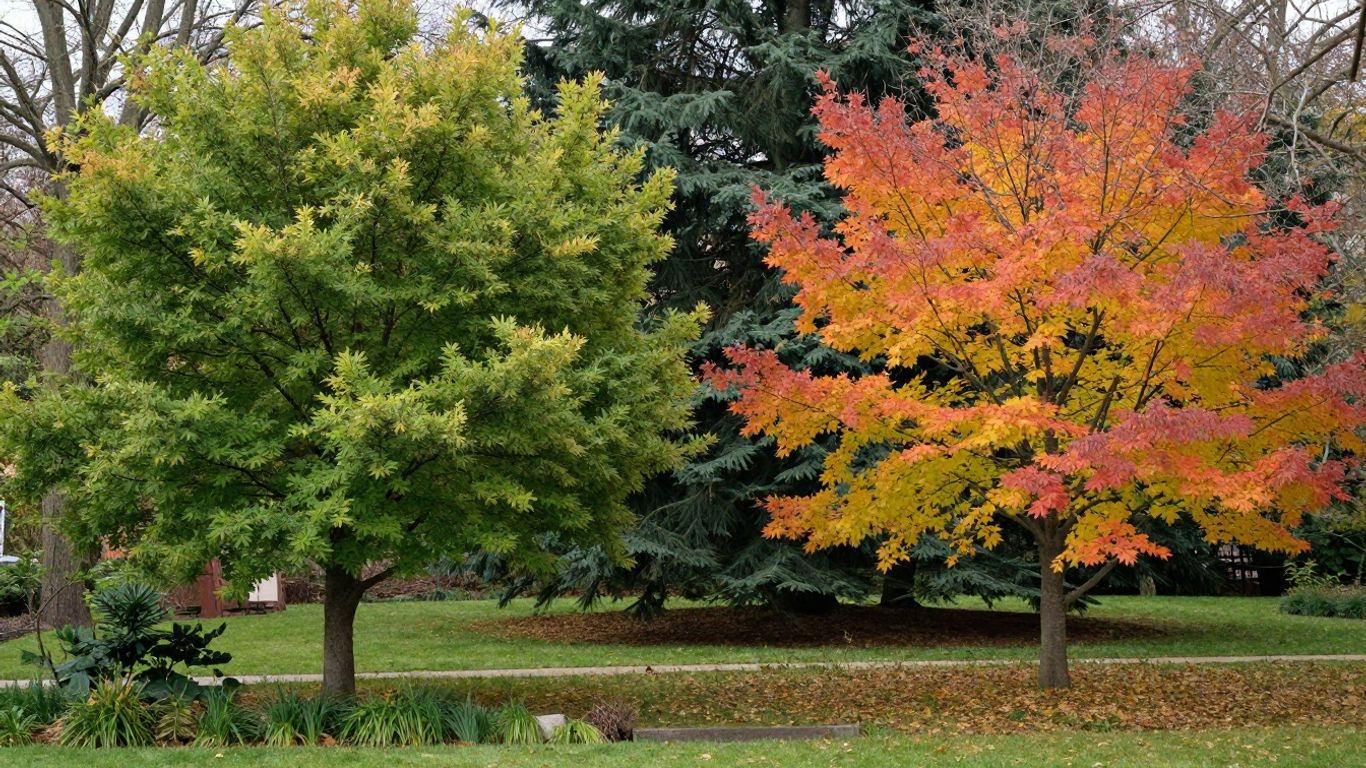
Every species has a unique biological timeline that dictates how it responds to human intervention. While some plants are robust and forgiving, others require a strict adherence to their natural schedules to thrive. Assessing the specific needs of your trees is essential for maintaining their long-term vitality in the landscape.
Deciduous trees and the leaf drop cycle
These trees rely on the annual shedding of leaves to signal the beginning of their rest cycle. Timing your pruning to follow this drop helps you see the architecture of the branches clearly while ensuring the tree is not caught off guard by a sudden disruption to its internal processes.
Evergreen trees and their specific seasonal requirements
Staying informed on evergreen care tips is vital because these trees do not follow the same leaf-drop conventions as deciduous varieties. They often benefit more from specialized scheduling that accounts for their continuous presence of foliage, which can make them more sensitive to improperly timed heavy cuts.
Flowering trees and how to avoid accidental bud loss
If you have trees like the redbud, timing is everything to keep the display looking its best. The redbud tree pruning guide emphasizes waiting until after the flowers fade to avoid sacrificing next year’s buds. This approach allows you to shape the tree without stripping away the colors you have waited all year to see.
Fruit trees and the importance of early spring pruning
Effective apple tree trimming focuses on removing unproductive parts while the tree is dormant. This ensures that when the tree wakes up, it channels its energy into larger, healthier fruit yields rather than excessive branch density. We often see the best results when following a clear set of steps for fruit-bearing species.
| Tree Type | Ideal Pruning Time | Main Benefit |
|---|---|---|
| Deciduous | Late Winter | Structural Visibility |
| Fruit-Bearing | Dormancy | Crop Productivity |
| Flowering | Post-Bloom | Bud Preservation |
Seasonal trimming considerations
Adjusting your management strategy throughout the year keeps your trees resilient against the local climate. While the seasons bring different challenges, staying proactive allows you to address needs before they become structural problems. Balancing these tasks keeps your garden moving forward consistently.
Managing vegetative growth during spring months
As the temperatures rise, plants begin to grow rapidly, sometimes creating canopy density that restricts airflow. While heavy cuts should be avoided now, light corrective maintenance can ensure that new growth develops without crossing or rubbing. This is a critical time for monitoring how branches occupy space.
Why summer heat makes trees more vulnerable to stress
Intense heat puts a high demand on a tree’s water usage, and the reduction of leaf surface area via heavy pruning can lead to sunscald on sensitive bark. Protecting the internal shade of the tree is important to its long-term health during the peak heat of August. Managing moisture through mulching is often more helpful than pruning during these weeks.
Preparing branches for autumn dormancy and hardening
As daylight decreases, trees start to transition into sleep, making it a poor time to encourage new, tender growth that could be damaged by an early frost. Pruning now interferes with the natural hardening-off process. Instead, focus on gathering tools and preparing for the winter maintenance window.
Preventing frost damage during late-winter trimming
Timing is tricky when spring arrives early, as late-winter cuts can stimulate dormant buds to open prematurely. If a cold snap follows, these new tissues can suffer. Checking historical weather patterns or consulting with expert tree services in Scottsdale, AZ helps in selecting a window that avoids being caught by a frost.
When to prune outside of the ideal window
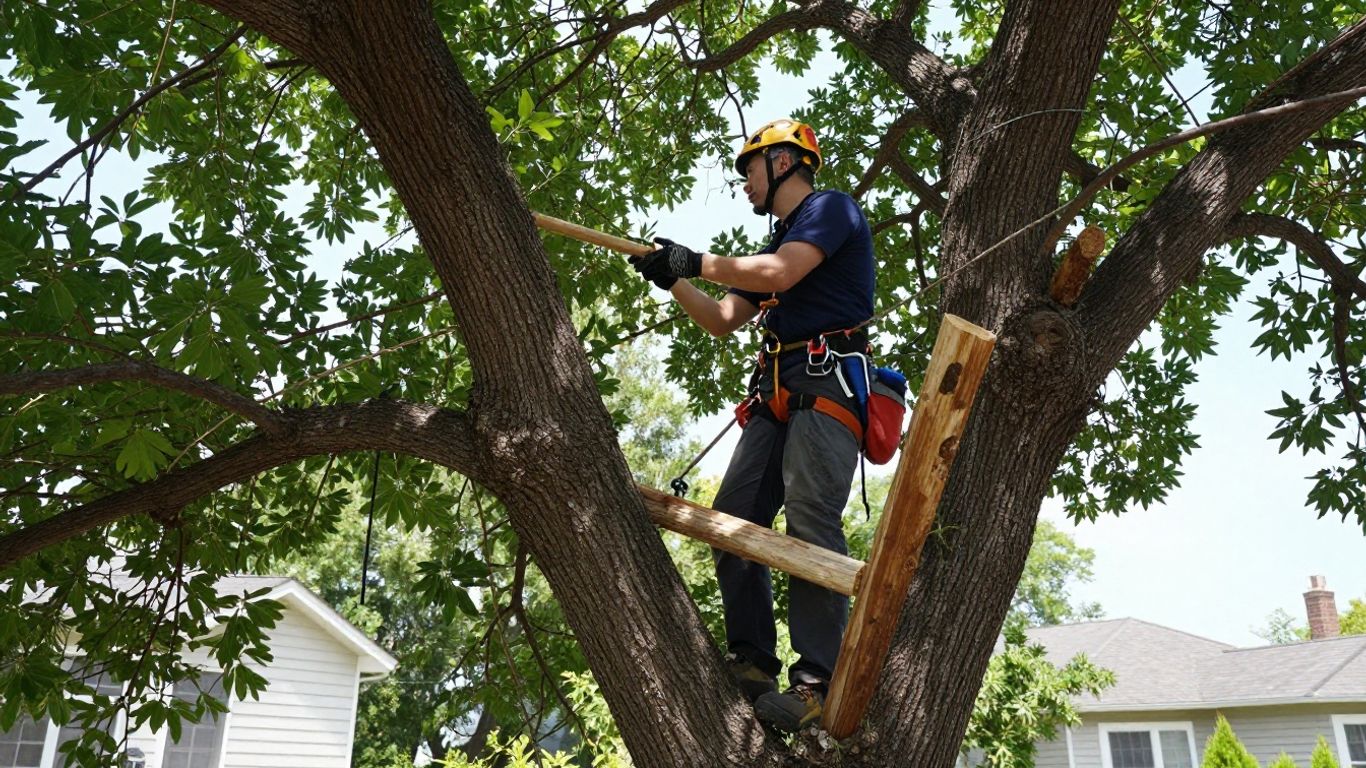
Sometimes, the needs of your landscape override the guidelines for seasonal scheduling. When a branch poses a danger to people or property, you cannot wait for the perfect month to take action. Addressing these issues immediately prioritizes safety and risk management above all other pruning goals.
Identifying and removing hazardous or dead limbs
Dead branches often become brittle and unpredictable. Removing them is a necessity to prevent accidental falls, and the timing of this task is less critical than the safety of the area beneath the canopy. Professionals often recommend scanning for these signs regularly, especially after a storm, to keep the space safe.
Managing broken branches caused by storm damage
Broken limbs often hang in an unstable fashion, which can cause further physical trauma to the trunk if left uncorrected. Using clean tools to remove the debris and create a flush cut will allow the tree to move past the damage effectively. When debris creates a large hazard, professional tree pruning services in Scottsdale, Arizona provide the necessary equipment to clear the area.
Addressing diseased wood before the infection spreads
Pathogens can move quickly through a tree’s vascular system, making it essential to prune away infected areas as soon as they are identified. Disinfecting your equipment between cuts is a non-negotiable step to prevent passing the issue to healthy branches. Swift action is often the difference between a salvageable specimen and a lost tree.
Assessing immediate risk to property and public safety
When a tree is near utility lines or structures, the standard rules of seasonal pruning don’t apply, and the professional intervention of Paradise Valley Tree Service becomes the most sensible decision. You must assess the situation based on the level of danger presented to your home or passing neighbors.
Best practices for effective tree branch trimming
Execution matters as much as timing. How you make the cut directly correlates to how the tree reacts and how quickly it can heal its own wounds. Paying attention to these techniques elevates the quality of your work from simple clearing to true plant maintenance.
Applying the three-cut pruning method for large branches
To prevent the bark from tearing as a heavy limb falls, use the three-cut method. Follow these steps to ensure a clean outcome:
- Make an undercut a few inches from the trunk to act as a hinge.
- Execute a second cut from top to bottom slightly further out on the limb.
- Complete the removal of the remaining stub with a final cut just outside the branch collar.
This sequence protects the main trunk and allows for natural healing that follows the tree’s biological defense mechanisms.
Choosing the appropriate tools based on branch diameter
Using the right tool for the size of the cut ensures you don’t struggle or mangle the plant tissue. Hand pruners work well for small, pencil-sized shoots, while loppers offer leverage for up to an inch or more. When you reach into larger territory, a sharp, specialized pruning saw is necessary to ensure the stroke is clean rather than tearing the bark.
Sanitizing equipment to prevent cross-contamination
Microscopic fungi and bacteria live on leaves and branches, and they can easily travel via your tools if you aren’t careful. Wiping down your shears with a simple disinfectant between trees or between sections of a diseased plant is a quick habit that saves the next living tissue from accidental exposure.
Making precise cuts to encourage natural bark healing
Always locate the branch collar—the swollen area where the branch emerges from the trunk—and cut just outside of it. This space contains the hormones and cells required for the tree to seal the wound properly. Cutting into the trunk or leaving a long stub both create an inviting environment for rot, which can permanently hollow out the core.
Long-term maintenance strategies for tree health
Keeping a tree healthy over decades relies on viewing it as a long-term member of your landscape. Patterns of growth that look stable now can change as the plant ages, requiring constant observation and minor corrections. Success is defined by the resilience you build into the tree during its formative years.
Recognizing the signs of canopy overcrowding
If the center of your tree remains dark even in the middle of a sunny day, it is likely too dense. Overcrowding stops sunlight from reaching the inner leaves, which causes them to die off and leaves the plant reliant only on the outer shell for energy. Thinning creates space for light to penetrate, which promotes an even distribution of foliage back toward the core.
Monitoring structural integrity and branch attachment angles
Weak unions often involve branches that attach at high-angle “V” crotches, where bark gets trapped in the tight space and prevents the wood from bonding into a solid structure. Watching for these narrow angles and correcting them early prevents the limb from splitting out under the weight of future wind or snow. A strong structural base is the best insurance against storm failure.
Determining when to enlist the help of a certified arborist
Not every task is suitable for a DIY weekend attempt. If you notice structural issues high in the canopy, concerns about tree stability, or if the scale of the wood is simply too large, it is time to bring in the pros. Certified arborists have the training to diagnose deeper issues that remain hidden from the surface and can manage heavy lifts safely.
Balancing aesthetic goals with the biological needs of the tree
It is tempting to shape a tree into a specific, rigid form, but forcing a plant away from its genetically intended geometry often creates long-term stress. Aim for the tree’s natural form, emphasizing health over strict ornamentation. When the tree thrives, it will naturally present the best aesthetic of all, with strong growth and a full, healthy profile.
Conclusion
Successful maintenance relies on consistent observation and a deep respect for the natural cycles of your trees. By timing your work to align with dormancy, utilizing proper cutting techniques, and prioritizing safety over schedules, you ensure that your landscape remains both healthy and beautiful for years to come. Whether you are addressing storm damage or performing routine structural care, keeping the tree’s biology in mind will always guide you toward the right decision.
Frequently Asked Questions
Can I prune my trees during a drought?
It is generally best to avoid pruning during extreme drought, as the tree is already struggling to maintain its water balance. Removing foliage reduces its ability to regulate temperature, potentially increasing the stress on the specimen during a difficult period.
Does painting pruning wounds with sealer help?
Modern research suggests that covering pruning wounds with paint or sealers can actually trap moisture and pathogens inside the cut. It is more effective to make clean, correct cuts and allow the tree to use its own natural defense systems to compartmentalize the area.
How often should mature trees be pruned?
Mature trees do not necessarily need an annual schedule for pruning. Once the structure is established, they should only be managed on an as-needed basis to remove dead or diseased limbs, or to improve safety concerns.
Is leaf drop always a sign of a problem?
Leaf drop is a normal part of the seasonal cycle for deciduous trees and some evergreens. While mass loss during the active growing season can indicate illness or stress, annual shedding as the weather cools is the tree’s healthy response to changing day length.
What is a water sprout, and should it be removed?
Water sprouts are thin, vertical shoots that often grow from the trunk or primary branches in response to heavy stress or over-pruning. They are usually weak and do not produce fruit or flowers, so they are typically removed to keep the canopy healthy.
Can I prune my tree near power lines?
No, you should never attempt to prune branches that are touching or near overhead utility lines. This is extremely dangerous; you must contact your local utility company, as they are equipped and licensed to handle professional clearing around power lines.
Why does my tree have crossing branches?
Branches often grow into each other due to lack of space or improper initial formation when the tree was young. They should be corrected because they rub against each other, creating wounds that allow diseases and insects to gain easier access to the interior of the tree.