
Emergency Stump Grinding vs. Standard Stump Removal
- July 6, 2026
- By Arthur Gray
Defining emergency stump grinding versus standard removal
The distinction between urgent intervention and routine maintenance often depends on the state of the wood and the surrounding environment. While standard removal is a convenient scheduled task, emergency stump grinding addresses immediate, volatile conditions that threaten the safety and utility of your outdoor space. Homeowners often find themselves choosing between these paths based on how long a stump has remained in their soil versus how quickly it has become a liability following a storm or tree failure.
Immediate threats to architectural and structural integrity
When a tree collapses unexpectedly, the remaining stump can exert pressure on nearby foundation walls or subterranean features. If left unchecked after a recent incident, the root system’s decay or shifting can compromise the soil stability surrounding your home. Utilizing a professional stump grinding service ensures that these latent threats are neutralized before they lead to costly repairs near structural perimeters.
Defining the scope of standard scheduled stump removal
Standard removal typically occurs after a planned tree felling, where the timeline is dictated by the homeowner’s convenience rather than a pressing hazard. It allows for intentional landscaping, soil preparation, and debris repurposing at a pace that fits your seasonal gardening schedule. Many property owners turn to a professional stump removal process to simply reclaim aesthetic square footage in their backyard.
Key differences between mechanical grinding and full root extraction
Mechanical grinding operates by pulverizing the wood into small chips through a rotating disk system, whereas traditional extraction involves pulling entire root balls, a significantly more invasive process. The primary differences involve speed, soil management, and the depth of the finish. The table below outlines how these two approaches serve different site needs.
| Feature | Mechanical Grinding | Full Root Extraction |
|---|---|---|
| Soil Impact | Minimal surface compaction | Widespread soil disturbance |
| Cleanup | Wood chips left as mulch | Requires hauling large debris |
| Efficiency | Faster for most stumps | Slower, labor-intensive process |
Selecting the right method requires evaluating long-term landscaping goals. For those who want to plant immediately, mechanical grinding leaves behind nutrient-rich debris that can be repurposed, whereas deep excavation leaves a void that needs refilling.
When you need emergency stump grinding
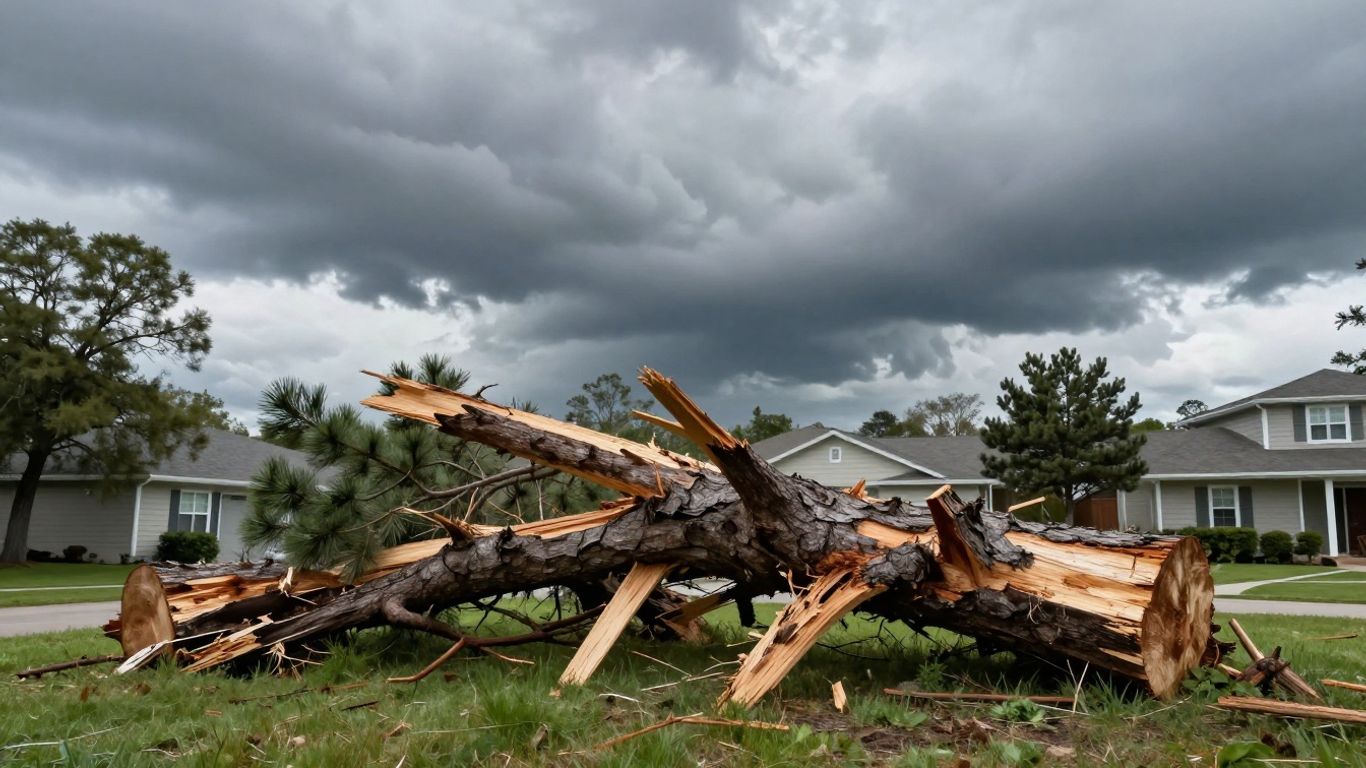
Emergency situations arise when a stump suddenly stops being a passive landscape element and transforms into an active danger to your property. Storms, high winds, or disease can leave wood in a state that attracts nuisances or creates an immediate physical obstacle. Recognizing when to initiate urgent professional intervention is critical for maintaining property safety after a major environmental shift.
Addressing hazards caused by storm damage and fallen trees
Storm systems often leave behind jagged, broken stumps that represent a clear and present danger to passersby. Promptly handling these remnants with an efficient stump grinding visit helps clear pathways and reduces the visual clutter of post-storm destruction. Timing is essential here to prevent the site’s degradation as weather continues to impact the damaged root systems.
Mitigating safety risks to pedestrians and property occupants
Large, jagged stump remnants act as invisible tripping points in high-traffic pedestrian areas, particularly during evening hours. To protect guests and family members from injury, it is standard practice to reduce the protruding wood below grade as quickly as possible. Failing to address these stumps can lead to legal liability, making it a priority for commercial and high-density residential properties alike.
Preventing rapid pest infestations following tree failure
Decaying tree matter acts as a biological magnet for various pests, ranging from carpenter ants to wood-boring beetles that can spread to your living areas. If the wood is dying rapidly after a trauma, it becomes a hub for activity that requires active mitigation. Consider these essential steps for pest management:
- Clear away any loose wood bark or debris immediately.
- Apply appropriate protective measures during the grinding process.
- Ensure the surrounding soil is treated to deter opportunistic pests.
- Monitor the area weekly to verify that no new activity emerges.
Managing the site diligently prevents these pests from establishing a permanent foothold in your soil or, worse, your home’s foundation.
The technical process of high-speed stump grinding
Professional grinding requires a sophisticated understanding of mechanical force and cutting angles to ensure the job is done cleanly. Experts rely on machines that can handle varying wood densities while navigating the unique terrain of an affected property without causing unnecessary auxiliary damage. This process turns a complex biological problem into a manageable pile of wood fiber.
Specialized equipment and heavy-duty machinery requirements
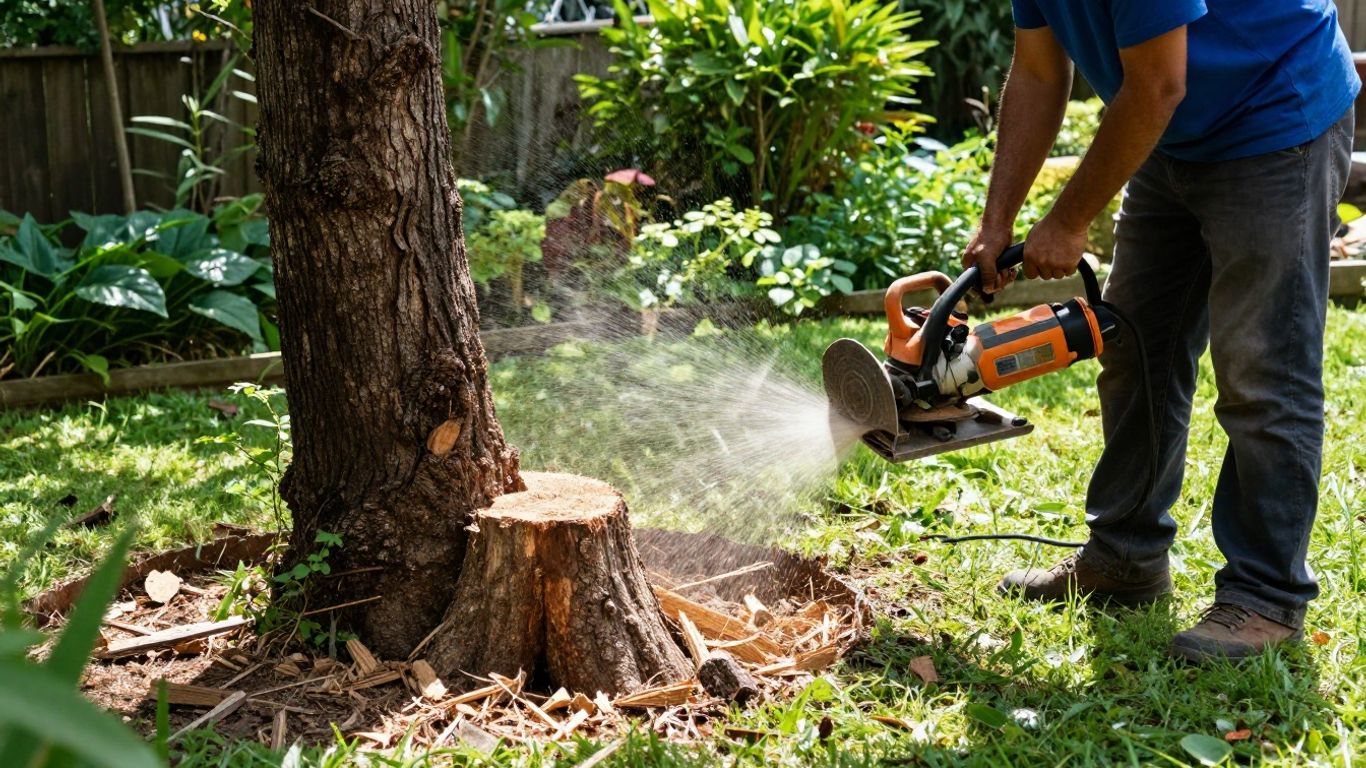
High-power grinders utilize heavy-duty carbide teeth to shave down tough, cured wood cores that would stall smaller manual tools. Operators who use stump-grinding equipment focus on specific torque requirements to ensure the machine remains efficient throughout the entire process. This enables the machine to handle everything from soft pines to extremely dense hardwood species.
Assessing optimal depth and lateral reach for complete removal
Complete removal is not simply about cutting the stump flush with the surface; it involves grinding down far enough to allow for future planting or construction. Professionals calculate the necessary depth based on the specific species’ root structure and the client’s desire to plant grass or shrubs in the future. Accurate positioning allows for consistent results that eliminate the risk of the stump regrowing over time.
Debris management and site cleanup protocols
Once the machine finishes, the site is left with a pile of chips, often double the volume of the original stump. Many homeowners choose to utilize wood chips as an effective mulch for their surrounding flower beds or to suppress weeds in other parts of the garden. Ensuring this debris is handled correctly creates a clean transition from an emergency work site back to a usable landscape.
Benefits of prioritizing emergency services
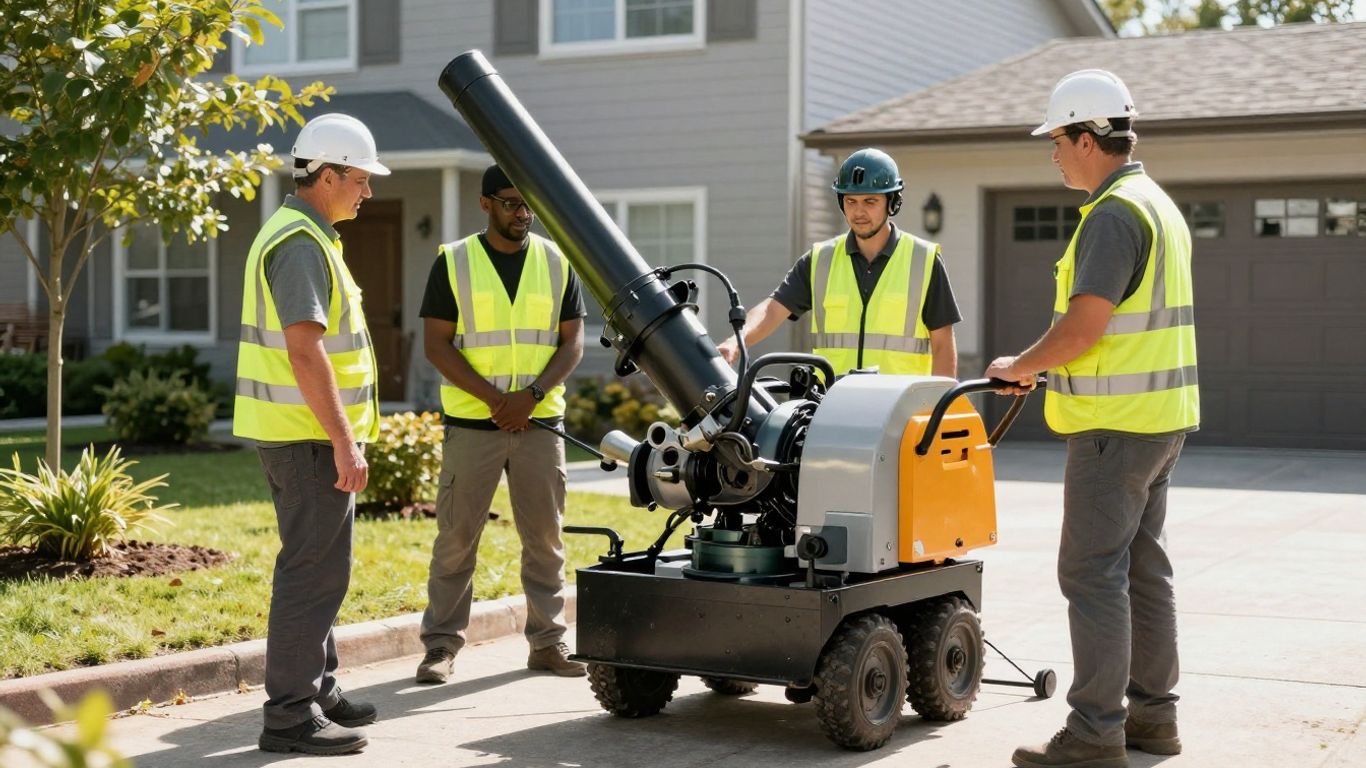
Prioritizing a rapid arrival from a professional crew drastically changes the recovery phase of a landscaping crisis. Beyond just clearing physical blockages, these services help restore the balance of the environment and prevent the secondary costs associated with waiting. Taking swift and decisive action creates a safer environment for everyone involved.
Rapid response times and team availability for urgent issues
Waiting days for a standard appointment can exacerbate the hazards left by a fallen tree or a poorly managed removal. Emergency teams offer flexible scheduling designed to accommodate urgent reports, ensuring the job starts before minor hazards escalate. This agility provides peace of mind when you need to secure your yard quickly.
Mitigation of long-term landscape disruption and regrowth
An untreated stump can often push out small sprouts or suckers, pulling nutrients away from other nearby plants that you want to keep healthy. By grinding the stump during the initial emergency phase, you effectively stop the biological clock of the root system, preventing unwanted regrowth. This approach fosters a healthier, more consistent growth environment for your other vegetation.
Reducing property owner liability and potential insurance claims
Eliminating a hazard immediately is a strong proactive measure that can often prevent the need for more complex insurance documentation later. Liability management is a primary driver for many business owners who operate professional tree services near walking paths or parking areas. By removing the stump early, owners signal a commitment to maintaining a safe, hazard-free premise for all visitors.
Comparing cost structures and service models
Emergency pricing often reflects the premium of availability and rapid mobilization rather than just the time spent on the machine. Comparing these models against planned maintenance helps in understanding why urgent requests carry different financial considerations than pre-scheduled work. Evaluating your specific needs against these models can clarify the true cost of delay versus immediate action.
Factors that influence emergency service pricing premiums
Emergency calls usually require rerouting crews, logistical planning, and occasionally overtime hours to ensure the service occurs within a tight timeframe. These factors create the basic structure for the premium pricing associated with urgent landscape intervention. Understanding that this premium buys speed and immediate risk reduction helps put the total invoice into perspective.
Analyzing the value of planned versus reactive maintenance cycles
Reactive maintenance is almost always costlier than preventative or scheduled care because it lacks the benefit of organized routing. Planning tree care through a regular maintenance cycle allows you to negotiate pricing based on convenience and efficiency rather than emergency response constraints. This is particularly relevant for those seeking to handle multiple trees over a multi-year plan.
Return on investment for immediate intervention versus waiting
Immediate intervention pays off by preventing the secondary damage caused by pests, weeds, or accidents that occur during a wait period. While the upfront quote for an emergency visit may be higher, the return on investment comes from avoiding subsequent remediation for foundations or landscape rehabilitation. In most cases, the initial cost is significantly lower than the expenses incurred by ignoring the problem.
Assessing site conditions and accessibility constraints
Large industrial machinery requires adequate clearance to reach the work site without damaging surrounding fencing or hardscaping. Evaluating site access before the arrival of a crew prevents delays and ensures the equipment chosen is the right size for the specific job profile. Professional teams assess your site for utility lines and surface obstacles to guarantee a secure, incident-free removal process.
Navigating confined spaces with industrial grinding equipment
Many residential yards have narrow gates or restricted corridors that limit the type of equipment a crew can introduce. Professionals often use specialized high-maneuverability grinders that can fit through standard door openings while maintaining the power needed for robust removal. Matching the machinery to the space ensures that no structural damage occurs to your fences or neighboring property lines.
Evaluating ground stability and soil compaction after a collapse
Ground stability can change significantly if the area has suffered from heavy rain or the churning motion of a falling tree. Heavy equipment requires a stable base, so operators verify that the soil can support the weight of the grinder before beginning work. Preventing excessive soil compaction is a key goal to ensure the area remains viable for future plant growth.
Proximity to underground utility lines and irrigation systems
Before any blades touch the ground, identifying the presence of irrigation pipes and electrical conduits is an absolute requirement. A failure to map these lines can lead to massive service disruptions that far outweigh the cost of the stump removal itself. Professional services always conduct a thorough site walk-through to mark these hidden assets with high-visibility flags.
Preparing your property for professional intervention
Preparation sets the stage for a seamless visit and ensures that the crew can start working immediately upon arrival. Taking a few hours to organize the site can significantly shorten the time required for heavy equipment deployment. Effective preparedness in Scottsdale relies on clear communication and careful land clearing before the arrival of the service team.
Securing the site for a rapid-response work crew
Clearing a path of at least three to four feet in width ensures the machine can travel easily from your street to the stump. Remove children’s toys, garden furniture, and loose ornaments from the vicinity. Providing a clear, obstacle-free route prevents accidental damage and keeps the crew focused solely on the removal task.
Identifying hidden obstacles and setting marker flags
If you have private irrigation lines or landscape lighting cables buried near the stump, placing physical markers like flags or spray paint is highly recommended. This visual guide serves as a secondary safety layer when combined with official utility locating services. Providing precise data about the location of underground lines streamlines the entire grinding operation.
Communicating specific post-grinding goals for landscaping plans
If you plan to install a new garden bed, a fence, or hardscaping immediately after the grinding, communicate this to the estimator before the job begins. Knowing your end-goal ensures the crew grinds deeply enough to clear the space for your specific post-stump projects. Clear alignment from the start reduces the chance of needing a second, more expensive return visit.
Conclusion
Understanding the urgency of your situation, versus the flexibility of a scheduled approach, is the most important step for maintaining a healthy and beautiful yard. Whether you are dealing with the unexpected remnants of a summer storm or taking proactive steps for long-term property health, professional intervention is a reliable, structured path to improvement. With the right team and a clear assessment of your needs, you can easily turn a dangerous stump into a clean, safe, and open area ready for your next landscaping vision.
Frequently Asked Questions
Is it always necessary to remove the roots when grinding a stump?
It is rarely necessary to remove the entire root system, as grinding the main core of the stump eliminates the primary structure for regrowth and pests. Most professionals remove the stump to several inches below the surface, which is sufficient for planting grass or installing small garden beds over the area.
Can I perform professional stump grinding myself using rental gear?
While rental units exist, they are often significantly less powerful than industrial-grade machines, leading to slower results and a higher risk of frustration. Professional equipment provides the torque and safety features that allow for a deeper, cleaner removal while significantly reducing the risk of personal injury.
Do wood chips left over from grinding make good mulch?
Yes, the pulverized wood chips are excellent for garden health, often used for weed suppression and moisture retention in flower beds. Before applying them as mulch, verify that the tree was not diseased, as certain pathogens can theoretically linger in the chips and pose a risk to other plants.
How soon can I plant grass after a stump has been ground?
Most ground areas can be replanted shortly after the process, though you should wait until the area is cleared of excess heat and the debris has settled. Many homeowners choose to mix the remaining chips into the soil or replace the spot with fresh topsoil to ensure that new grass or shrubs have the best environment for root development.
What keeps an old stump from sprouting new growth?
Grinding the stump deeply removes the cambium layer and the central root structure, which effectively stops the tree’s ability to pull nutrients from the soil. Once these tissues are shredded and exposed to the elements, the tree can no longer sustain a growth response, effectively preventing new sprouts from forming.
Will the stump grinding process damage my underground irrigation systems?
Professional teams take extensive precautions, including mapping utility lines and probing the area, to prevent damage to your irrigation. When homeowners provide accurate information regarding the layout of their system, damage remains avoidable and rare during the standard grinding operation.
Why should I prioritize emergency grinding over standard service?
Emergency grinding addresses immediate hazards like trip risks, pest attraction, or structural interference that occur suddenly due to damage or decay. If a stump represents a liability or a threat to your property’s safety, prioritizing an urgent response prevents these issues from escalating into more complex and expensive concerns.