
Why Early Tree Health Assessments Save Trees
- July 27, 2026
- By Arthur Gray
Understanding the importance of early intervention
Recognizing a decline in a tree’s vigor before visible symptoms emerge is the hallmark of effective landscape management. Small changes in growth patterns often signal deeper biological shifts that, if ignored, can lead to irreversible decline. Consistent monitoring allows homeowners to intervene while the tree still has the resources to recover, turning potential crises into simple management tasks.
Identifying stress signals before they become permanent
Stress often appears subtly through minor thinning, off-color foliage, or reduced annual shoot extensions long before a tree appears overtly ill. By identifying these early warnings, you can address underlying issues before the woody tissue suffers systemic failure. Careful observation of your canopy during the growing season is essential for long-term health.
How early diagnosis alters long-term treatment outcomes
Early diagnostic efforts allow for targeted interventions that are far less intrusive than emergency responses. When you catch a condition early, you can often restore the tree with minor environmental adjustments rather than invasive surgical procedures or widespread systemic chemical applications. This measured approach supports the natural resilience of the specimen.
The role of professional diagnostics in promoting tree longevity
Utilizing professional tree care services in Scottsdale, Arizona ensures that complex problems receive an objective evaluation. Expert arborists can interpret data points that remain hidden to the untrained eye, providing a clear path forward for the life of the canopy. Relying on scientific, data-driven insights is the surest way to guide a young tree toward a vibrant, mature state.
Detecting pests and diseases before widespread damage
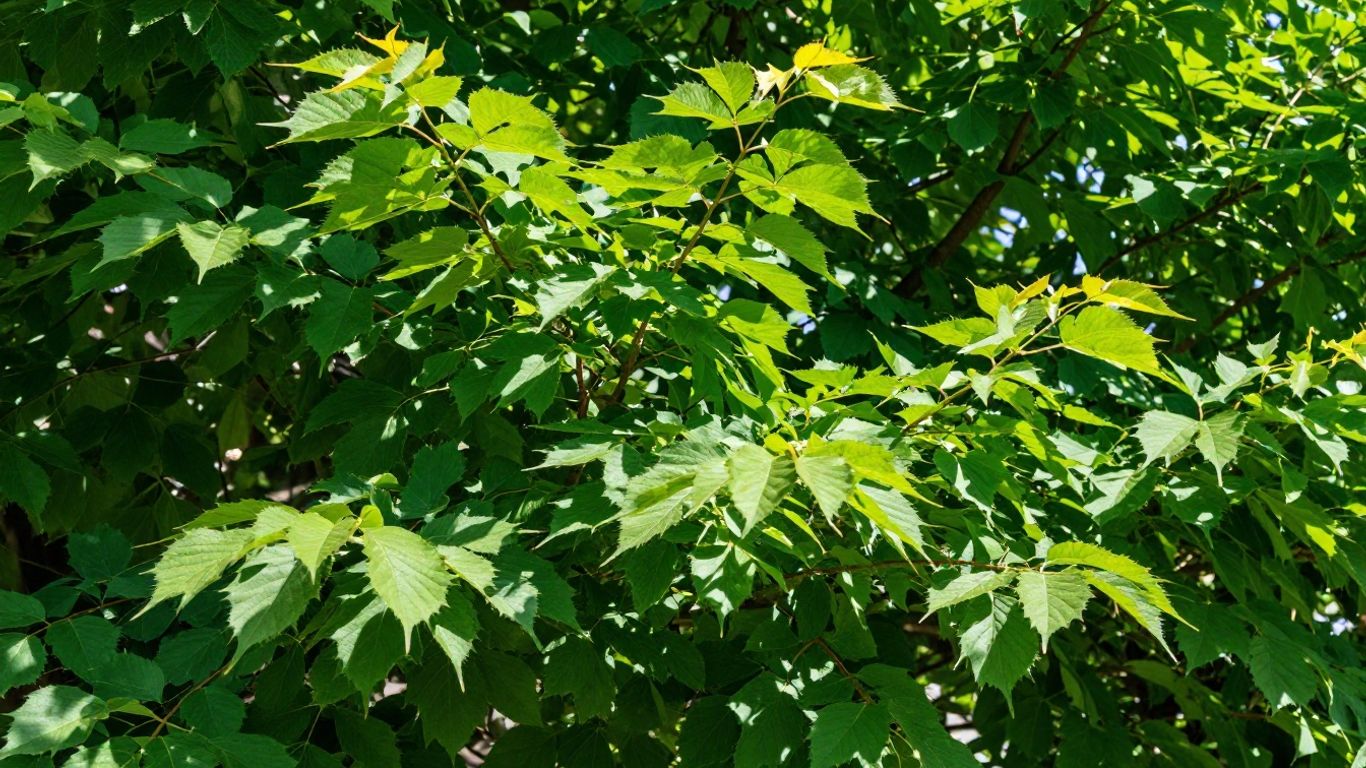
Detecting invisible pathogens or small, localized insect movements requires a trained eye and frequent, systematic inspections. Early detection prevents the broad spread of infestations across your landscape, which can easily devastate mature specimens if unchecked. Developing a proactive inspection schedule is a fundamental component of garden stewardship.
Recognizing early signs of common regional insect infestations
Subtle indicators such as entry holes, exit patterns, or small piles of debris at the base of the trunk serve as silent alarms for most common invaders. When identified immediately, specialized management can isolate the population without affecting the wider ecosystem. Proper vigilance keeps the natural balance of your property intact.
Distinguishing between temporary environmental stress and chronic disease
Distinguishing whether a tree is suffering from transient drought or a severe infection requires comparing current health against established historical baselines. Environmental stress usually forces a tree into a conservative growth mode, while chronic diseases tend to produce distinct lesions or tissue necrosis. The table below outlines these essential differences to help guide your initial assessment observations.
| Observation Factor | Environmental Stress | Chronic Disease |
|---|---|---|
| Foliage Color | Uniform chlorosis | Spotted or necrotic patches |
| Tissue Texture | Dry and brittle | Wet rot or exudates |
| Growth Pattern | Stunted but symmetrical | Distorted or lopsided |
Learning to interpret these symptoms prevents unnecessary panic and allows you to apply the correct treatment at the exact right moment.
The impact of moisture imbalances on pathogen growth and spread
Pathogens thrive in environments where tree defenses are down, often triggered by too much or too little water provided to the root zone. Proper hydration consistency is the primary line of defense against opportunistic infections that linger in the soil. Maintaining a balanced water regime significantly reduces the invitation for secondary health issues.
Managing structural integrity and hazard risks
Structural failures are rarely sudden events; they are the result of years of neglect involving union health and canopy balance. Identifying weaknesses in the attachment points of branches or the stability of the root flare is essential for safety near structures or walkways. A comprehensive, proactive program ensures that the tree remains a part of your landscape rather than a liability.
Inspecting limb attachments for hidden structural weaknesses
Branches with narrow crotches or included bark create weak zones that can split under minimal weight or unexpected stress. Regular physical checkups of these critical attachment points are one of the most effective ways to prevent tree trunk failure throughout storm seasons. These evaluations should be as routine as checking your home’s foundation.
Why early pruning prevents future canopy or trunk failure
Strategic pruning in the early stages of limb growth creates a manageable canopy structure that resists wind sway and ice accumulation. By removing crossing branches or excessive weight early, you allow the tree to put resources into thicker connective tissue. This developmental phase of care is where you secure the tree’s future.
Monitoring tree stability during extreme weather cycles
Extreme heat or prolonged storms can test the limits of even the most resilient specimens in your yard. During these periods, monitoring for leaning, ground cracks, or trunk movement is vital for avoiding property damage. Property owners should consider the following tasks to ensure continued stability:
- Perform visual checks for root collar heave after heavy rain.
- Clear debris from the base to ensure soil drainage isn’t obstructed.
- Review tree pruning services in Scottsdale, Arizona to manage heavy upper canopy weight.
- Check for dead branches that might dislodge during sustained high winds.
Taking these steps before the weather turns provides immediate peace of mind for the safety of your home and occupants.
Examining soil and root system vitality
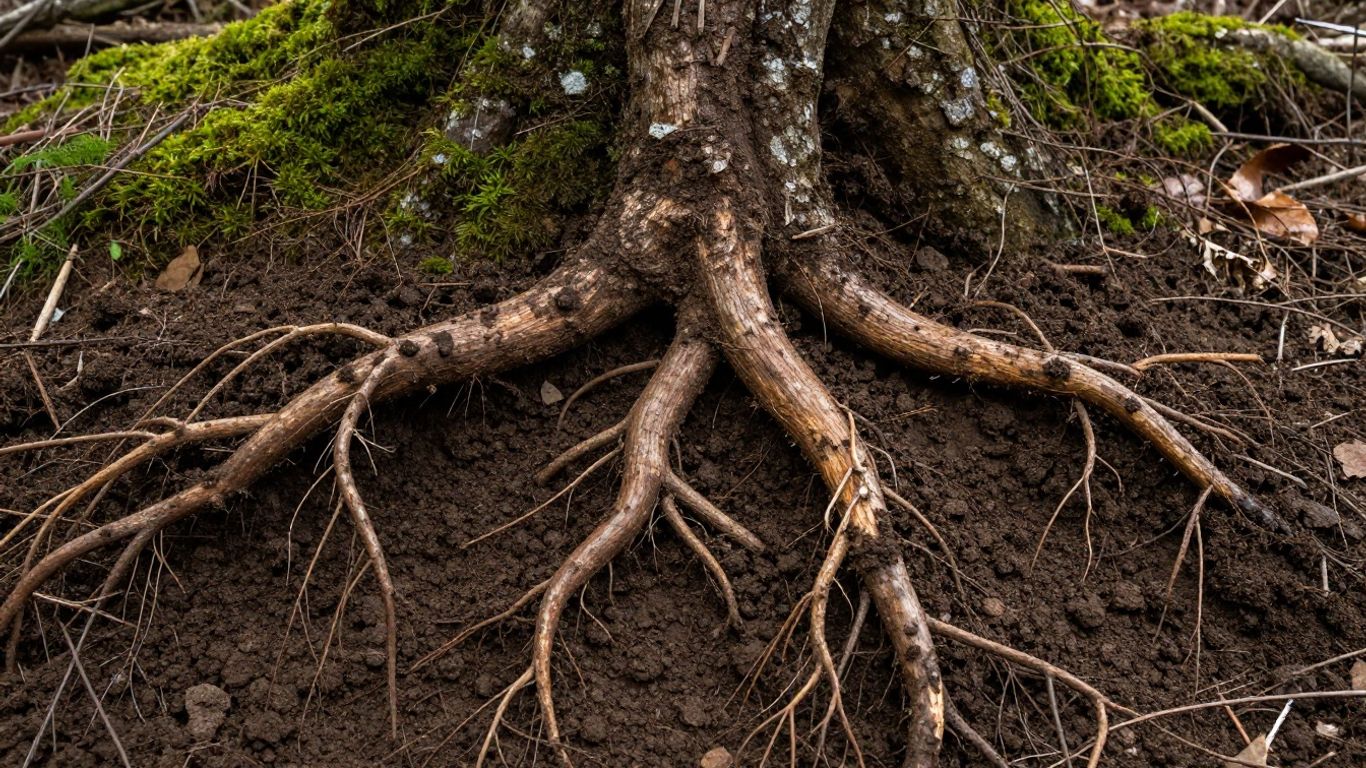
Trees are mirror images, with their root systems often mimicking the spread and depth of the overhead canopy. If the soil is compacted, depleted of essential nutrients, or poorly drained, the entire tree will show symptoms of respiratory stress. Focus on the ground-level conditions to see the true health status of the tree.
Analyzing soil composition and compaction levels for root health
Soil porosity is the primary factor allowing for gas exchange that roots require to function effectively. When traffic creates heavy compaction, the vital pores where oxygen and water reside are crushed, stifling root growth. Testing for organic matter and consistent moisture is the first step toward reclaiming root health.
Assessing root system health through crown and leaf symptoms
Symptoms expressed in the crown are the direct result of the limitations experienced by the root system below. If your tree shows premature autumnal color, leaf scorch, or crown decline, it is likely signaling that the roots lack the necessary resources. Addressing the soil environment promptly can often reverse these visible decline patterns before they become permanent.
Mitigating construction-related damage to sensitive root zones
Construction activities represent the highest threat to mature root systems through physical soil displacement or toxic contaminants. Installing barriers or adjusting site plans early preserves the critical root zones that a tree has spent decades developing. Always prioritize the preservation of existing root structures when planning site improvements.
Economic advantages of proactive tree care
Investing in the health of your trees provides long-term dividends that far outweigh the one-time cost of reactive services. By keeping your specimens vital, you avoid the significant expenses of complex extractions or damage repairs. This financial prudence pays off as your urban forest grows more robust each year.
Avoiding the high cost of emergency tree removal services
Emergency services are inherently expensive due to the risks and logistical difficulties of removing damaged trees from compromised positions. By maintaining health with commercial tree services, you can plan for future adjustments and avoid the spikes in cost that accompany crisis situations. A small planning budget beats a high-cost emergency any day.
Enhancing property value through mature, healthy tree preservation
Properties with well-maintained, mature, and structurally sound trees consistently see higher interest and premium valuations in the competitive real estate market. The aesthetic contribution of a healthy canopy is undeniable, acting as both a natural cooling element and a privacy barrier. Protecting this asset ensures your property remains desirable and visually stunning.
Reducing the need for intensive, long-term chemical treatments
Preventative care reduces the dependence on supplemental solutions that can alter the natural chemistry of your landscape. By keeping the tree healthy and resilient, you empower it to naturally defend against many minor stressors. This minimalist, sustainable approach ultimately saves time and reduces ongoing maintenance costs.
Optimal timing for professional assessments
Timing aligns your maintenance efforts with the natural biological rhythms of the tree throughout the year. Assessments conducted during key seasonal shifts provide the most high-value data for planning upcoming work. Understanding these windows helps you allocate resources effectively across your entire property.
Why spring is ideal for monitoring initial growth periods
Spring offers the clearest window into the tree’s health as it wakes from dormancy and flushes with new, tender growth. Any failure to leaf out or abnormal stunting becomes highly apparent during this period of high energy activity. It is the perfect time to identify deadwood or late-winter damage before the heat of summer arrives.
Preparing older trees for the stress of the winter dormancy season
Older trees experience significantly higher stress during the colder months, making fall the best time to assess their nutritional needs and structural integrity. Ensuring that your tree is well-hydrated and properly balanced before the ground freezes prevents winter dieback and limb snap. This preparation is a critical part of a successful seasonal cycle.
Scheduling inspections immediately after significant storm events
After any major wind or rain event, the landscape should be inspected for fresh trunk cracks, branch hangs, or signs of root lifting. Even if a tree looks fine on the surface, internal structural changes can occur under the pressure of gale-force winds. A timely inspection identifies and mitigates new risks before they compromise the tree.
Conclusion
Proactive Tree Health Assessments represent the most effective way to foster a safe and enduring landscape. By committing to regular inspections and early interventions, you protect the significant living assets on your property from unnecessary damage and premature decline. Consistent stewardship ensures your trees continue to thrive, providing shade, environmental value, and beauty for years to come.
Frequently Asked Questions
How often should I get a professional inspection for my trees?
It is generally recommended to have a professional inspection performed once every year, with additional checks conducted after any significant storms or extreme weather events.
Can I perform my own tree health assessment effectively?
While you can spot major issues like large cracks or obvious decay, a professional arborist possesses the training to detect subtle diagnostic indicators such as vascular diseases or early-stage root dysfunction.
Does weather significantly impact when I should schedule maintenance?
Yes, certain times of the year are better for specific tasks like structural pruning or fertilization, and waiting for the wrong season can lead to stress or slow healing for the tree.
What are the most common signs of a dying tree that I should look for?
Keep an eye out for thinning foliage, large areas of dead wood in the canopy, mushrooms or fungal growth on the trunk, and significant cracks or cavities in the bark.
Is it possible to save a tree that is already showing severe signs of decline?
Success depends entirely on the cause of the decline and the tree’s physiological state, but intervention is most successful when treatment and environmental corrections are applied early.
Why is the root system more important than the canopy for tree health?
The roots are responsible for all water and nutrient uptake; if the root system is damaged or sick, the canopy cannot sustain the metabolic activity required for the tree’s growth.
Should I be worried about small insect activity on my favorite tree?
While some insects are part of a natural landscape, any sudden increase in population or visible damage to the bark or foliage should be reviewed to rule out a localized infestation.