
Tree Health Inspection Checklist: Signs Your Tree Needs Expert Care
- August 7, 2026
- By Arthur Gray
Conducting a visual tree assessment
Regular observation is the best defense against long-term tree decline. By walking around the base and looking up through the branches, you can often spot subtle shifts in health before they become severe problems. Utilizing a structured Tree Health Inspection Checklist allows homeowners to monitor seasonal changes effectively.
Examining the branch structure for imbalances
Look for branches that show signs of uneven weight distribution or lopsided growth. A healthy canopy usually spreads outward in a balanced fashion, but if one side is significantly heavier, it may place undue strain on the main union. Ensuring your trees maintain a strong structure is a primary goal of Scottsdale tree pruning which promotes long-term stability.
Identifying leaning or tilting trunks
If a tree that was previously vertical begins to tilt, it often indicates root instability or soil movement. This change can be gradual, occurring over several years, or sudden after heavy storms or soil saturation. A noticeable lean should be investigated quickly by a professional who can determine if the tree is structurally sound or requires support systems such as cabling.
Spotting signs of internal decay or hollow voids
Internal decay often hides behind seemingly intact bark, making it difficult to detect without careful attention. Look for areas where the bark appears sunken, or where the trunk contour changes unexpectedly, which may suggest that structural integrity is being compromised. The table below lists common indicators that typically necessitate a professional assessment.
| Indicator | Potential Significance | Action Required |
|---|---|---|
| Deep Cracks | Possible structural split | Schedule inspection |
| Large Cavities | Potential internal rot | Evaluate safety |
| Fungal Growth | Advanced wood decay | Consult arborist |
When structural integrity is compromised, the tree might be unable to withstand environmental stressors, risking potential failure near your home or landscape. Keeping an eye on these physical markers is a crucial part of property maintenance.
Evaluating foliage and canopy health
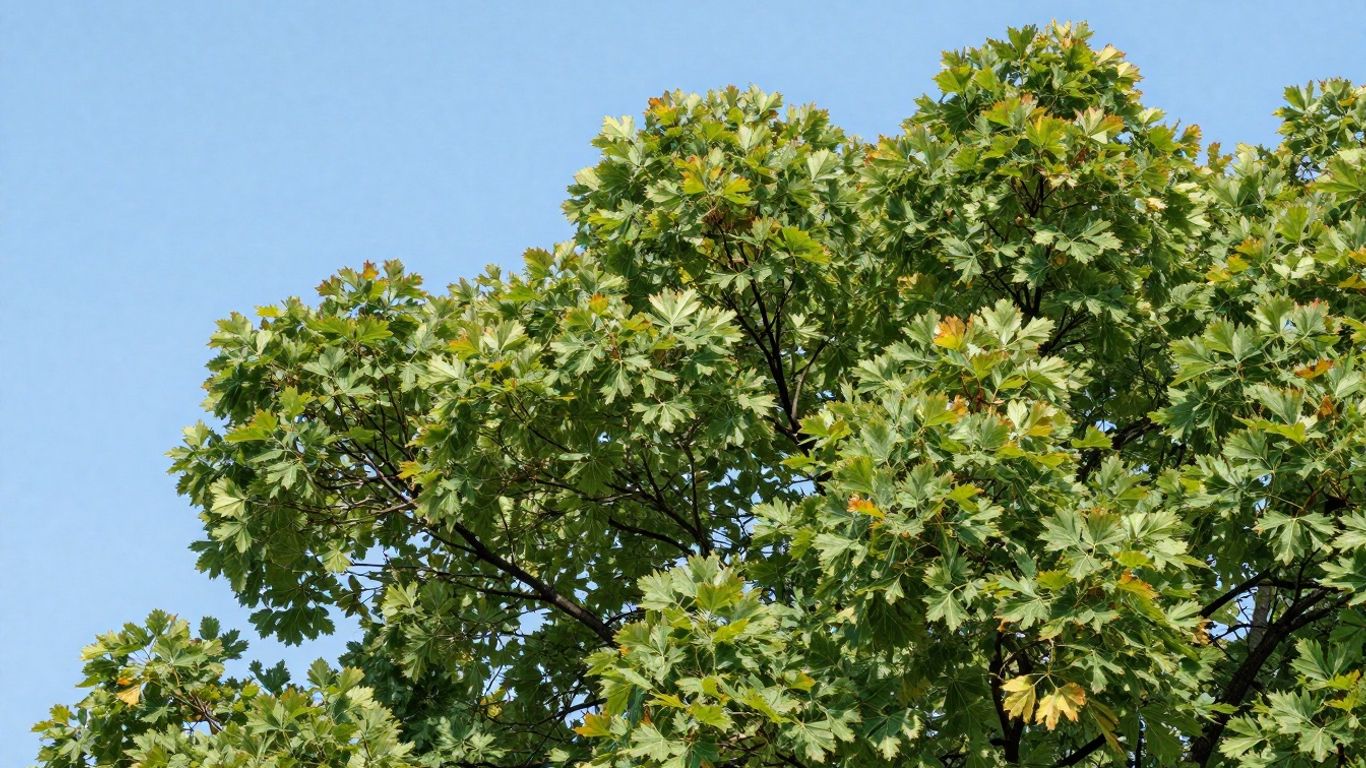
The canopy serves as the most visible indicator of a tree’s internal health and vitality. During the growing season, a tree should display a consistent color and volume of leaves throughout its reach. If you notice thin areas, seek out Scottsdale tree care to determine if environmental factors or nutritional deficiencies are hindering development.
Detecting patterns of premature leaf drop
While some deciduous trees naturally shed foliage as seasons change, losing leaves in the middle of summer is often a sign of stress. This may stem from extreme heat, moisture deficits, or even a pest infestation working its way through the upper canopy layers. Identifying the timing and scale of this drop provides better clues as to what is impacting the tree.
Recognizing discolored, spotted, or wilting leaves
Foliage that turns yellow, browns at the edges, or develops unusual spots often points to a specific disease or mineral imbalance. Widespread wilting when the soil is adequately moist suggests the issue might reside at the root system or in the vascular tissue. Check for localized patterns, as uniform discoloration might signal a broader problem.
Assessing the extent of crown dieback
Crown dieback occurs when branches begin to perish from the outer tips back toward the center. This is a conservative response by the tree to reserve nutrients for the base and trunk, yet it rarely happens without an underlying stressor like drought or disease. You should note how much of the upper canopy is affected to help an arborist gauge the longevity of the specimen.
Inspecting the root flare and surrounding soil
The health of the entire tree rests on the condition of its hidden foundation. Checking the area where the trunk expands into the ground, known as the root flare, reveals much about the long-term vitality of the woody structures. It is essential to ensure that this area remains clear of excess mulch or debris that can trap moisture against the bark.
Identifying signs of root girdling and soil compaction
Root girdling happens when roots grow in a circular pattern around the trunk instead of spreading outward for stability and nutrients. This can restrict the tree’s ability to take up water and occasionally lead to trunk strangulation over time. Several practical steps can help prevent these issues from worsening in your landscape:
- Remove plastic or synthetic materials left near the root zone during planting.
- Prune back circling surface roots that press against the bark layer.
- Aerate the soil periodically to reduce hardening and allow for natural root expansion.
- Ensure mulch does not touch the base of the trunk directly.
By following these maintenance practices, you actively manage a vital landscape foundation that supports every limb above it. Addressing compaction now prevents more severe health declines later.
Detecting exposed, crushed, or severed major roots
Physical damage to main roots can severely inhibit water uptake and physical anchorage. This often occurs during construction, trenching, or excessive heavy foot traffic near the root zone. Even if the damage seems minor, a severed root provides an open pathway for opportunistic pathogens to enter the vascular system.
Monitoring fungal growth and mushroom clusters near the base
Clusters of mushrooms or fungal mats growing directly on the trunk or at the base indicate the presence of decaying organic matter beneath the surface. While some fungi are harmless, many wood-decay species are aggressive and signal that a tree’s heartwood is actively being consumed. Any such growth should be treated as a warning sign and monitored routinely.
Monitoring trunk and bark abnormalities
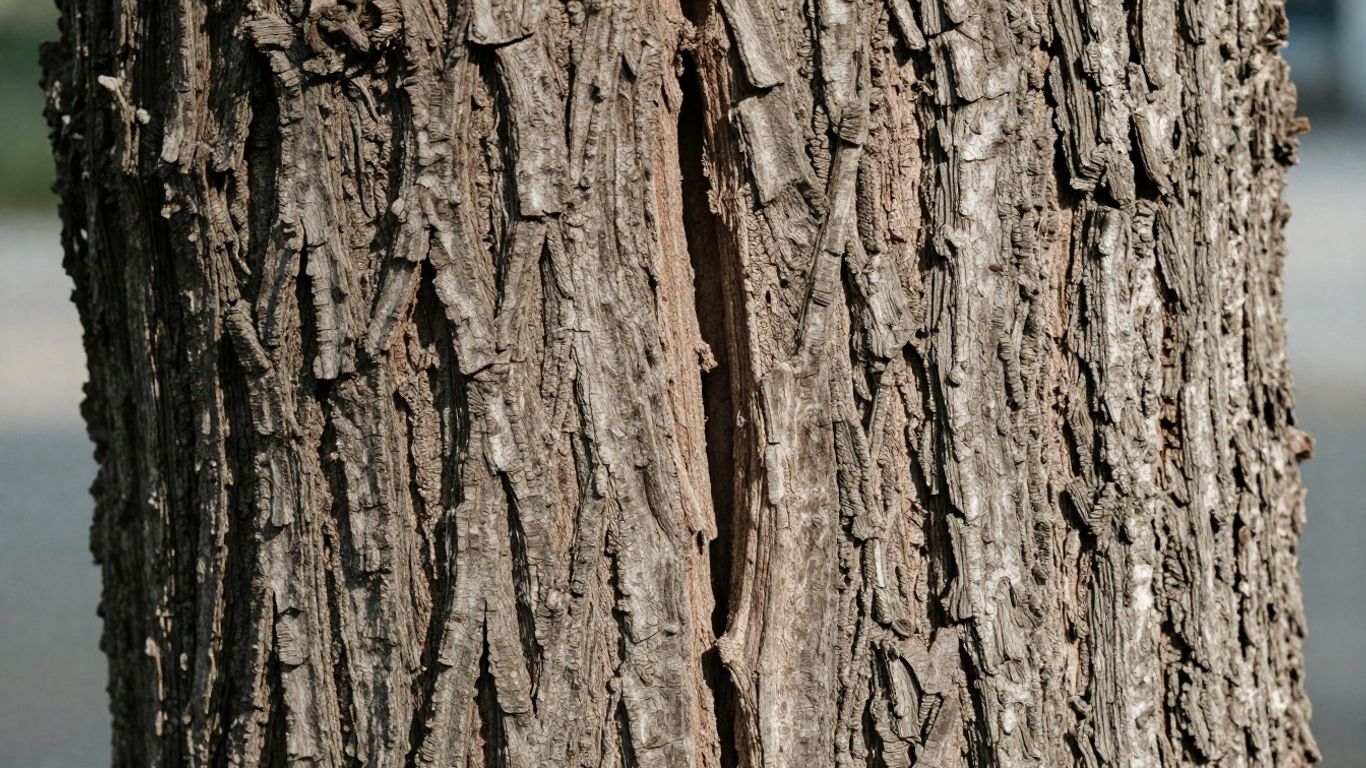
Bark serves as an protective barrier, so any sudden changes to its appearance command attention. Cracks, oozing, or missing sections can leave the inner tree vulnerable to insects and infections that would otherwise be held at bay. Engaging with Paradise Valley Tree Service for a professional assessment is advisable whenever you notice physical trauma to the main stem.
Interpreting deep vertical cracks and structural splits
Deep cracks that penetrate the bark and reach the underlying wood are often the result of significant frost damage or mechanical heat stress. These splits can become structural weak points that put the tree at risk during periods of high wind. A split showing signs of movement or expansion indicates an unstable environment that needs immediate expert verification.
Investigating unusual bark sloughing or peeling
While certain species like sycamores peel naturally, most trees should have consistent bark coverage throughout their maturity. Sudden, irregular sloughing that exposes the inner wood or reveals soft tissue underneath is often indicative of disease or deep-seated pests. The goal is to determine if this is a species-specific trait or a genuine sign of systemic failure.
Recognizing cankers and chronic sap oozing
Cankers are localized areas of dead or diseased bark and phloem, often appearing as sunken or discolored patches. When combined with chronic sap oozing, they can suggest that the tree is struggling to wall off a contagious infection. Keep a record of these spots to see if the area remains stable or continues to enlarge over sequential visits.
Identifying common pest and disease symptoms
Trees often host a variety of organisms, and recognizing the difference between minor inhabitants and destructive pests is essential. A systematic observation of symptoms helps distinguish between superficial aesthetic issues and those that threaten the survival of the tree. When in doubt, consult a professional who can confirm whether treatment is necessary.
Evidence of wood-boring insect exit holes
Wood-boring insects often leave behind distinct, small circular or D-shaped holes in the bark as they emerge. These holes are usually accompanied by fine sawdust at the tree base, suggesting active boring within the wood. Once you find these exits, it is hard to reverse the damage, so detecting early signs is your primary focus.
Distinguishing viral or fungal infections on foliage
Fungal infections frequently present as spots, mildew, or fuzzy growths on the leaf surface, typically thriving in humid conditions. Viral infections, by contrast, may show up as strange mosaic patterns or stunted, curled growth across the entire leaf structure. Proper identification ensures that if you apply a corrective treatment, you are targeting the right source of the problem.
Indicators of systemic insect infestation
Systemic issues are often signaled by widespread leaf yellowing, sticky residue on the canopy or ground, or ants crawling up and down the trunk. Sticky residue, often referred to as honeydew, is a classic byproduct of sap-sucking insects like aphids or scale. Because these pests impact the tree’s health across the board, they often require a comprehensive strategy.
Determining when professional intervention is required
Knowing when to handle a situation yourself versus calling in a certified arborist is a skill that preserves both your landscape and your peace of mind. Some issues are purely cosmetic or reversible, but others suggest an imminent risk that goes beyond standard care. Early detection, assisted by advice, ensures you are not dealing with a hazardous scenario unexpectedly.
Assessing immediate risks to structures and power lines
If a tree or its major limbs appear to be in direct conflict with your home’s roof, foundation, or local electrical infrastructure, it is time for a professional assessment. Large dead limbs overhanging living areas represent a significant safety liability that should be mitigated before a storm hits. Certified specialists are equipped to manage the weight and tension involved in removing high-risk branches.
Distinguishing between reversible health issues and structural failure
Many common ailments, such as mild leaf spotting or minor nutrient deficiencies, can be corrected through better tree care schedules. Structural failure, however, is a permanent condition often linked to deep decay, severe root damage, or large-scale trunk splitting. Knowing the difference prevents you from investing in ineffective treatments for a tree that may actually need to be safely removed.
Why early arboricultural diagnosis prevents expensive removal
Waiting until a tree has reached a state of terminal decline nearly always results in more complex and costly removal processes. By catching symptoms early, you can often implement proactive measures that save the tree and avoid the need for total extraction. Routine inspections turn small, manageable issues into minor maintenance tasks rather than emergencies.
Conclusion
Maintaining a thriving yard requires consistent observation and a proactive mindset toward tree health. By utilizing a thorough assessment process, you can identify many issues while they are still in early, manageable stages, protecting the long-term value and safety of your landscape. Always remember that your trees are dynamic living organisms that reflect the quality of the care they receive, and professional guidance is your best resource when diagnostics become complex.
Frequently Asked Questions
How often should I perform a tree assessment?
It is recommended to inspect your trees at least twice a year—once in the spring as leaves emerge and once in the autumn after their canopy thins. Additionally, perform a quick visual walk-around following any significant storm or high-wind event to catch potential damage early.
Can I prune my tree if I only see minor deadwood?
Yes, you can safely remove small, dead branches that are clearly brittle and dry. Ensure you make clean cuts just outside the branch collar, but avoid removing any healthy live tissue or cutting into the main branch union, as this can invite infection.
What does a leaning trunk signify?
A lean can occur naturally over time as a tree reaches toward sunlight, but a tree that suddenly shifts or tilts is a sign of root failure. If the soil on the side opposite the lean appears to be lifting, it suggests the root ball is no longer anchored, which is a structural emergency.
Is it normal to see some mushrooms at the base of my tree?
Small mushrooms appearing near the roots after heavy rain are often feeding on decaying surface mulch or organic debris and are usually harmless. However, large shelf fungi or mushrooms growing directly out of the bark or a major root are signs of wood decay and require a professional opinion.
How do I recognize soil compaction?
Compaction shows up as hard, crusted soil around the base, where water pools instead of soaking in and grass struggles to grow. If your tree shows thin leaves, poor annual growth, and lack of root depth, compacted soil is a likely culprit.
Can I treat insect exit holes on my own?
If you find exit holes, it usually means the insects have already completed a portion of their lifecycle inside the tree. While some store-bought sprays exist, systemic infestations are complex and often resistant to home treatments, which is why an expert diagnosis is safer for the tree.
Is it always necessary to remove a tree with root girdling?
Not necessarily, as minor girdling can sometimes be corrected by careful excavation and pruning of the circling roots. If the girdling is severe and has already caused the trunk to flatten or sustain structural damage, removal may be the safer option, but always consult an arborist for a specific evaluation.