
Raywood Ash Tree Pros and Cons for Residential Landscaping
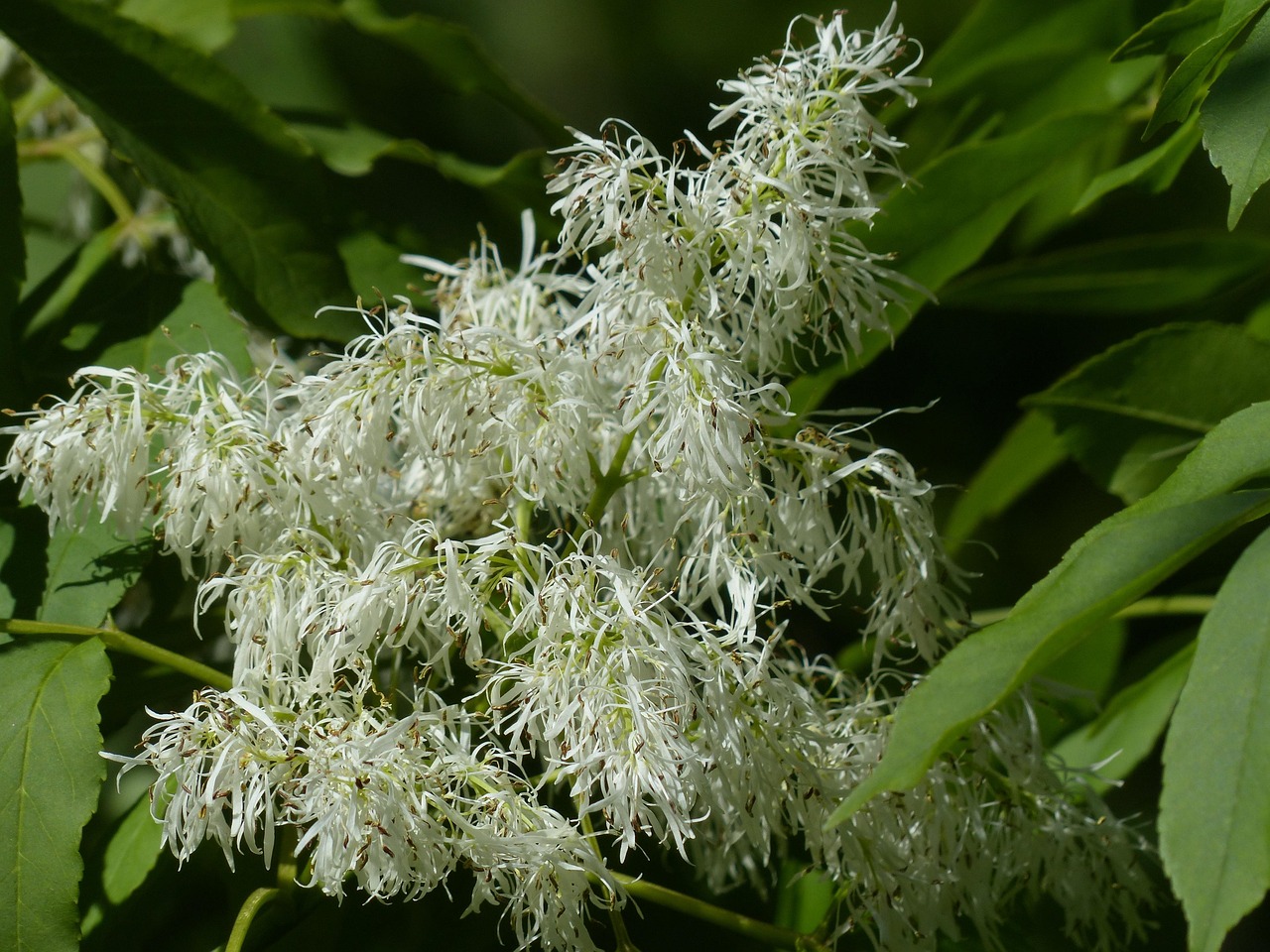
- January 20, 2026
- By Arthur Gray
Thinking about adding a Raywood Ash tree to your yard? They’ve got some really cool features, especially that deep red fall color, which is pretty unique. But like anything, there’s another side to the story. We’re going to break down the good and the not-so-good about the Raywood Ash tree pros and cons for residential landscaping, so you can figure out if it’s the right fit for your home.
Thinking about adding a Raywood Ash tree to your yard? It’s a popular choice for a reason, but like any landscaping decision, there are definitely things to consider. This article is going to break down the good and the not-so-good about the Raywood Ash, specifically for homeowners. We’ll look at why people love them, covering their good looks, how they grow, and how tough they are. But we’ll also get real about the downsides, like the cleanup they can create, potential structural issues, and any pests or diseases they might attract. Our goal is to give you a clear picture so you can decide if the Raywood Ash is the right fit for your specific space and lifestyle. We’ll cover everything from their vibrant fall color to how their roots might affect your property. Let’s get started on figuring out the raywood ash tree pros and cons for your residential landscaping.
What Is a Raywood Ash Tree?
The Raywood Ash, scientifically known as Fraxinus angustifolia ‘Raywood’, is a popular choice for residential landscaping, often recognized for its striking fall color. It’s a cultivar of the narrow-leaf ash, which originates from Europe, Africa, and Asia. This tree typically grows into an oval or rounded shape, maturing to a height of about 40 to 50 feet with a spread of 20 to 30 feet.
It’s commercially grown and widely used in home landscapes because of its attractive appearance and relatively fast growth.
Here’s a quick look at some of its characteristics:
- Mature Size: 40-50 feet tall, 20-30 feet wide.
- Growth Rate: Moderate, often adding 24 inches or more in height per year.
- Fall Color: Known for its vibrant wine-red to purple foliage.
- Light Needs: Prefers full sun.
- Soil Tolerance: Adaptable to various soil types, including those that are dry or moist, and can handle mildly acidic to alkaline conditions.
While it’s a good-looking tree, it’s important to consider its placement. Due to its root system, it’s generally recommended to plant it at least 10 feet away from your house and 30 feet from septic tanks. It’s also not ideal for planting under power lines.
It’s worth noting that while some older information suggested Raywood Ash was drought-tolerant, more recent observations indicate that prolonged dry spells can make it more susceptible to certain diseases, leading to branch dieback. Regular watering, even for mature trees, is often advised to keep them healthy and looking their best.
Common Uses in Residential Landscaping
Homeowners often pick the Raywood Ash for a few key reasons. It’s a pretty popular choice for yards, especially if you’re looking for a tree that grows reasonably fast and gives you some nice shade without taking forever to get there. People like it because it has a good shape, usually oval when it’s young and then spreading out a bit as it gets older, which fits nicely into many garden designs.
It’s also seen as a good option because it’s not super picky about the soil it grows in and can handle different climates. This makes it a bit easier to plant and maintain compared to trees that need very specific conditions. Plus, that vibrant fall color is a big draw for many. It really stands out when other trees are starting to look a bit dull.
Here’s a quick rundown of why people choose it:
- Shade Provider: It grows to a decent size, offering a good amount of shade for patios or seating areas.
- Fast-ish Growth: It’s not the slowest tree out there, so you get that landscape impact sooner rather than later.
- Striking Fall Color: The deep red to purple leaves in autumn are a major selling point.
- Adaptable: It can tolerate a range of soil types and environmental conditions.
While it’s a popular choice, it’s worth noting that Raywood Ashes aren’t the best for tight spaces. They need room to grow, both above ground and with their roots. Also, they can be a bit messy when they drop leaves and seeds, so think about where you’re planting them in relation to walkways or patios.
Basically, if you want a tree that grows well, looks good most of the year, and gives you that awesome fall show, the Raywood Ash is often considered. It’s a solid, dependable choice for many residential landscapes looking for a bit of flair and function.
Pros: Aesthetic Appeal and Seasonal Interest
When you’re thinking about adding a Raywood Ash to your yard, one of the first things that comes to mind is how good it looks. This tree really puts on a show, especially when autumn rolls around. The leaves transform into this deep, wine-red or purplish color that’s pretty striking, unlike the usual yellows and oranges you see on a lot of other trees. It’s a nice change of pace and can make your yard stand out.
Even outside of fall, the Raywood Ash has a decent look. It typically grows into a rounded or oval shape, giving it a nice, full appearance. The bark on younger trees is smooth and light gray, which can be a pleasant contrast against darker landscaping. As it gets older, the bark gets a bit rougher, adding some texture.
Here’s a quick rundown of its visual pluses:
- Spectacular Fall Color: Deep reds and purples that are unique.
- Pleasant Shape: A rounded or oval canopy that fills out nicely.
- Year-Round Structure: Even without leaves, the branching pattern offers some visual interest.
It’s not just about the leaves, though. The way the branches grow and the overall form of the tree contribute to its appeal throughout the year. It provides a solid, attractive presence in the landscape, whether it’s covered in leaves or standing bare against a winter sky.
Pros: Shade Provision and Canopy Structure
One of the big draws for the Raywood Ash is its ability to provide some nice shade. As these trees mature, they develop a pretty good-sized canopy. This makes them a solid choice if you’re looking to cool down a patio, a seating area, or even just a section of your lawn.
They tend to grow into a rounded or oval shape, which is great for filling out a space and creating that desired shade. It’s not just about blocking the sun, though. The structure of the canopy itself can add a lot to the look of your yard, giving it a more established feel.
Here’s a quick look at what you can expect regarding its size and shade potential:
- Mature Height: Typically around 40-50 feet, though they might not reach that full height in all climates.
- Mature Spread: Usually between 20-30 feet wide.
- Canopy Shape: Starts oval when young, becoming more rounded and spreading as it ages.
While they offer good shade, it’s worth noting that their root systems are considered moderate in their potential for damage. This means you’ll want to give them some space away from foundations, sidewalks, or underground pipes. Planting them with enough room from structures is key to enjoying their shade without future headaches.
Pros: Adaptability to Soil and Climate Conditions
One of the really great things about the Raywood Ash is how forgiving it is when it comes to where you plant it. It doesn’t seem to be too picky about the type of soil it grows in, handling everything from clay to sand pretty well. This makes it a solid choice for a lot of different yards, even ones that might not have the richest soil.
Beyond just soil, these trees are also pretty tough when it comes to different weather. They can handle a decent amount of dry spells, though they’ll do best with some occasional watering during really hot, dry periods. They’re also known to do well in a variety of climates, so you don’t have to live in a super specific region for it to thrive.
Here’s a quick rundown of what makes them adaptable:
- Tolerates a range of soil types: Doesn’t need special soil amendments to get going.
- Handles moderate drought: Can survive periods without much water, but appreciates a drink now and then.
- Good in various climates: Generally performs well across different temperature zones.
This adaptability means you’re less likely to run into major problems just because your yard isn’t perfect. It’s a tree that can often make the best of a less-than-ideal situation, which is a big plus for many homeowners.
Pros: Growth Rate and Landscape Impact
One of the big draws for the Raywood Ash is how quickly it gets going. These trees are known for their fast growth rate, often adding 24 to 36 inches in height each year, especially when they’re getting the right care. This means you won’t have to wait forever to enjoy the shade and presence they bring to your yard.
This rapid growth is a major plus if you’re looking to fill a space or establish a mature look relatively quickly. It’s a stark contrast to slower-growing trees that can take decades to reach their full potential. You get that substantial canopy and landscape impact much sooner.
However, this speed comes with a few things to keep in mind. Because they grow so fast, the wood can sometimes be a bit weaker. This is why proper pruning, especially in the early years, is so important. You want to encourage strong branch angles that are less likely to snap in the wind. It’s a trade-off: quick growth for a fuller yard now, but a little more attention needed to keep it strong long-term.
Here’s a quick look at what you might expect:
- Typical Annual Growth: 24-36 inches vertically.
- Mature Size (approximate): 30-50 feet tall with a 35-45 foot spread, though they can potentially grow larger under ideal conditions.
- Impact: Quickly provides shade and a significant visual presence.
While the fast growth is appealing, remember that it also means the tree needs regular watering, particularly in drier climates, to support that rapid development and stay healthy. It’s not a ‘plant it and forget it’ kind of tree if you want it to thrive and reach its potential. You can find more information on tree care to help manage this.
So, if you’re impatient for shade and a tree that makes a statement without a decades-long wait, the Raywood Ash’s growth rate is definitely a strong point in its favor.
Cons: Messy Fall Debris and Maintenance
While the Raywood Ash offers a lot of visual appeal, especially with its striking fall color, it does come with a downside: cleanup. Come autumn, you’ll be dealing with a significant amount of leaf drop. These leaves can accumulate quickly, blanketing your lawn and garden beds.
Beyond just leaves, the Raywood Ash also produces samaras, which are its winged seeds. These seeds, while not as prolific as some other tree species, still contribute to the debris that needs managing. This constant shedding means more time spent raking and bagging, especially if you have a large yard or prefer a meticulously tidy outdoor space.
Here’s a quick look at what you might be dealing with:
- Leaf Drop: Expect a dense carpet of leaves covering your lawn and walkways.
- Seed Dispersal: Small, winged seeds will scatter, potentially sprouting in unwanted areas.
- Yard Waste: Increased volume of yard waste requiring disposal or composting.
Dealing with this mess is just part of owning a Raywood Ash. It’s something to consider if you’re looking for a low-maintenance tree. Some homeowners find that regular raking and occasional pruning can help manage the situation, but it’s an ongoing task. If you’re not keen on spending a good chunk of your fall weekends with a rake in hand, you might want to look into other shade tree options, like the [narrow-leaf ash](Fraxinus angustifolia), which can be a good alternative.
The sheer volume of fallen leaves can smother smaller plants and make pathways slippery. It’s a trade-off for the tree’s beauty, but one that requires commitment to upkeep.
Cons: Structural Weakness and Storm Susceptibility
While Raywood Ash trees can be quite beautiful, they do tend to be a bit brittle. This means that under certain conditions, branches can snap off more easily than you might expect. It’s not uncommon for them to struggle when faced with strong winds or heavy snow loads.
This structural weakness is a significant factor to consider, especially if you live in an area prone to severe weather.
Here are a few points to keep in mind regarding their susceptibility:
- Branch Breakage: The wood itself can be less dense, making the branches more prone to breaking, particularly older or weaker ones.
- Storm Damage: High winds can cause significant damage, leading to fallen limbs that can pose a hazard to property and people.
- Snow and Ice Load: Accumulations of snow or ice can put a heavy strain on the branches, increasing the likelihood of breakage.
It’s often recommended to prune these trees regularly to remove any dead or weak branches. This proactive maintenance can help mitigate some of the risks associated with their inherent structural limitations. However, even with good care, severe weather events can still pose a threat.
When planting a Raywood Ash, it’s wise to think about its placement. Avoid areas directly over patios, cars, or play spaces where falling branches could cause problems. Also, consider that while they might look sturdy, they can be surprisingly vulnerable to the elements.
Cons: Pest and Disease Vulnerabilities
Raywood Ash trees, while pretty, aren’t exactly the toughest kids on the block when it comes to bugs and sickness. They can be a bit susceptible to a few common issues that might make you think twice before planting one.
One of the main worries is Verticillium wilt. This is a soil-borne fungus that can really mess with the tree’s water transport system. You might notice wilting leaves, dieback on branches, or even cankers forming. It’s not a fun one to deal with, and once it’s in the soil, it can stick around.
Then there’s Anthracnose. This disease often shows up as brown spots on the leaves and can cause twig dieback. It can look a bit like frost damage, so sometimes it’s hard to spot right away. It’s more of a cosmetic issue most of the time, but in bad cases, it can weaken the tree.
Ash Yellows is another concern, especially for certain types of ash trees. It’s a gradual decline where the tree just loses its vigor. Leaves might turn yellow early, and you could see cankers on the trunk and branches. It’s a slow decline, but it definitely impacts the tree’s health.
Beyond those, there are other less common but still possible problems like powdery mildew, ash rust, and various cankers or root rots. These can all weaken the tree over time, making it more vulnerable to other stresses like drought or extreme weather.
Here’s a quick rundown of some common threats:
- Verticillium wilt: A fungal disease affecting water transport.
- Anthracnose: Causes leaf spots and twig dieback.
- Ash Yellows: Leads to a general loss of vigor and yellowing leaves.
- Powdery mildew: A surface fungus that can affect leaves.
- Ash rust: Another fungal issue that can appear on leaves and twigs.
It’s not all doom and gloom, of course. Good care, like proper watering and avoiding unnecessary pruning that creates wounds, can help keep these issues at bay. But it’s something to be aware of when considering a Raywood Ash for your yard.
Cons: Space Requirements and Root Considerations
When you’re thinking about planting a Raywood Ash, you’ve got to consider its size and how its roots behave. These trees can get pretty big, often reaching heights of 25 to 40 feet with a spread of about 25 feet. That means they need a good amount of room to grow without bumping into things. Don’t plant them too close to your house, utility lines, or septic systems.
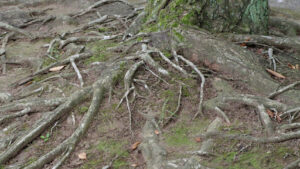
Their root systems can be a bit aggressive, and while they aren’t usually considered a major problem like some other trees, they can still cause issues if they’re not given enough space. You’ll want to keep them at least 25 feet away from your home and 35 feet from things like septic tanks. Planting them near sidewalks or driveways can also lead to cracking over time, so it’s best to give them a wide berth.
Here’s a quick rundown of recommended distances:
- From your house: At least 25 feet
- From power or utility lines: At least 15 feet
- From septic tanks: At least 35 feet
These trees also appreciate regular watering, especially during dry spells, because their roots tend to stay closer to the surface. This means they can be more susceptible to drought stress, which can then make them more vulnerable to pests and diseases. So, while they offer great shade, make sure you have the space and the commitment to watering them properly. It’s all about finding theright tree for the right place in your yard.
Is the Raywood Ash Right for Your Residential Landscape?
So, you’ve been thinking about adding a Raywood Ash to your yard. It’s a good question to ask yourself if this tree fits your life and your property. We’ve gone over the good and the not-so-good, and now it’s time to put it all together.
The Raywood Ash offers a striking visual appeal, especially with its vibrant fall color, but it comes with a few significant drawbacks to consider.
Here’s a quick rundown to help you decide:
- Pros:
- Beautiful, deep red to purple fall foliage that really stands out.
- Provides good shade once it reaches maturity.
- Generally adaptable to different soil types and climates.
- Decent growth rate, filling out a space relatively quickly.
- Cons:
- It can be messy in the fall with leaf drop, requiring regular cleanup.
- Branches can be prone to breakage, especially in storms.
- Susceptible to certain pests and diseases, like verticillium wilt.
- Needs adequate space, both above and below ground, due to its size and root system.
When you’re weighing your options, think about what’s most important for your landscape. If you’re looking for a tree that’s low-maintenance and won’t drop a lot of debris, the Raywood Ash might not be your best bet. However, if you appreciate a tree with dramatic seasonal color and don’t mind a bit of extra yard work in the autumn, it could be a great addition. Remember to check out other ash tree varieties to see how they compare.
Before you plant, really consider the mature size of the Raywood Ash and its root spread. Planting it too close to structures, sidewalks, or utility lines can lead to problems down the road. It’s always better to give a tree plenty of room to grow and thrive.
Ultimately, the Raywood Ash can be a lovely tree for a residential landscape, but it requires a homeowner who is prepared for its specific needs and potential challenges. Make sure it’s the right fit for your property and your lifestyle before you break ground.
Thinking about the Raywood Ash for your yard? It’s a good idea to weigh the good and the bad before you decide. We’ve put together a simple guide to help you see if this tree is the right fit for your home. Ready to make your choice? Visit our website to learn more and get expert advice!
Frequently Asked Questions
What is a Raywood Ash tree?
A Raywood Ash is a type of tree that’s part of the ash family. It’s known for its pretty, wine-red to purple leaves in the fall, which is why many people like it for their yards. It grows to be a medium-sized tree, usually around 40 to 50 feet tall.
Are the Raywood Ash trees messy?
Yes, they can be a bit messy. They drop a lot of leaves in the fall, and sometimes they drop seeds too. This means you might have to do more raking and cleaning up around the tree compared to some other types of trees.
Do Raywood Ash trees have strong branches?
Not always. Their branches can sometimes be weak and might break easily, especially during strong winds or storms. It’s important to check the tree regularly for any weak spots or damage.
Are the Raywood Ash trees good for shade?
Yes, they can provide good shade. As they grow, they develop a nice, rounded shape that can offer a good amount of shade, making outdoor spaces more comfortable during sunny days.
Do Raywood Ash trees need a lot of water?
They don’t do well with too little water. Even when they are grown, it’s a good idea to water them regularly, especially when it’s very dry. They can get sick or have branches die if they don’t get enough moisture.
Can Raywood Ash trees handle different kinds of soil?
Generally, yes. They are quite adaptable and can grow in various types of soil, which is one of the reasons they are popular. They can also handle different weather conditions pretty well.
How fast do Raywood Ash trees grow?
They grow at a moderate pace, usually adding about 2 feet or more in height each year. This means they can start providing shade and filling out your landscape relatively quickly.
What are the biggest problems with the Raywood Ash trees?
The main issues are the messy leaf and seed drop, the potential for weak branches that can break, and they can be vulnerable to certain pests and diseases. You also need to make sure you plant them far enough away from buildings and pipes because their roots can cause problems.