
What Does a Juniper Tree Look Like? Leaves Identification Guide
- January 14, 2026
- By Arthur Gray
Ever wondered what that evergreen tree or shrub in your yard might be? If it’s a juniper, you’re in luck because they’re pretty common and have some distinct features. Figuring out what a juniper tree looks like isn’t too complicated once you know what to keep an eye out for. They can be found in all sorts of places, from sprawling groundcovers to taller trees, and their leaves are a big clue. Let’s break downwhat does a juniper tree look like, and how to spot one.
So, you’re curious about what does a juniper tree look like? It’s a common sight, but they can be tricky to pin down because they show up in so many different forms. Junipers are a diverse group of evergreen conifers, and their appearance can vary a lot depending on the specific species and where they’re growing. You might see them as low-spreading groundcovers, bushy shrubs, or even tall, stately trees. This adaptability is one of their most defining characteristics.
When you’re trying to figure out what a juniper tree look0pl,. =s like, keep these general points in mind:
- Evergreen Foliage: They keep their leaves year-round, which is a big clue.
- Leaf Types: Junipers have two main kinds of leaves – sharp, needle-like ones, and softer, scale-like ones. Sometimes, you’ll even find both on the same plant!
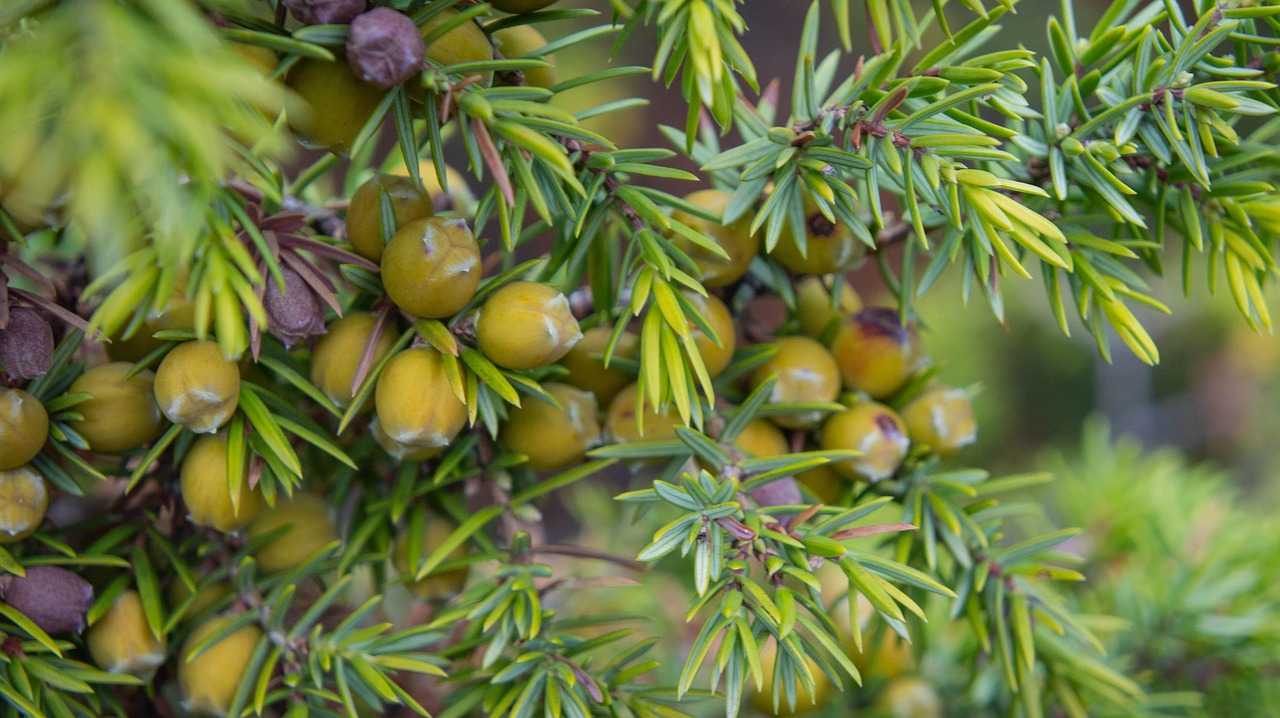
- Berry-Like Cones: Instead of typical cones, junipers produce fleshy, berry-like structures, usually blue or reddish-brown.
- Aromatic Wood: Many junipers have a distinct, pleasant scent, especially when you crush their foliage.
Figuring out what a juniper tree looks like is less about finding one single image and more about recognizing a set of common traits that appear across many different types. They’re tough plants, found in all sorts of places, and their look really depends on their environment and age.
This guide will help you get a better handle on the different ways junipers present themselves, so next time you see one, you’ll have a better idea if it’s a juniper or something else entirely. We’ll cover everything from their general shape to the finer details of their leaves and cones.
General Appearance of Juniper Trees
Junipers are pretty versatile when you look at them. They aren’t just one thing; they can show up as low-spreading groundcovers, bushy shrubs, or even tall, stately trees. The overall shape can vary a lot, from a narrow, upright column to a wide, spreading mound. It really depends on the specific type of juniper and where it’s growing.
Think about it like this:
- Columnar: These junipers grow straight up, like a pencil or a tall, skinny exclamation point. They’re often used for privacy screens or to add vertical interest.
- Spreading/Mounding: These are more common. They grow outwards and upwards, forming a rounded or irregular shape. Some hug the ground, while others get quite wide.
- Weeping: Less common, but some junipers have branches that droop downwards, giving them a graceful, flowing look.
It’s not just the shape of the whole plant, either. The way the branches grow and how dense the foliage is also play a big part in how a juniper looks from a distance. Some have a very open, airy feel, while others are packed tight with leaves.
You might see a juniper that looks like a small shrub one year, and then a few years later, it’s a much larger, more tree-like specimen. Their growth habit can change as they mature, and sometimes, even the environment they’re in can encourage them to grow in a certain direction or shape.
Where Juniper Trees Grow and How They Vary
Juniper trees are seriously adaptable, popping up in all kinds of places. You’ll see them growing everywhere from dry, rocky hillsides and sandy deserts to cold mountain slopes and even windy coastal spots. The cool thing about junipers is just how much their surroundings can change the way they look.
A juniper growing out in the desert looks nothing like one tucked away in a moist forest. Their shape, height, and even the type of foliage they produce can shift depending on what the environment throws at them. Some are tall and narrow, almost like green pencils poking at the sky; others stay low to the ground, spreading out almost carpet-like.
Here’s how habitat affects the look of juniper trees:
- Soil Type: Rocky or sandy soils encourage more shrubby, low-growing forms, while richer soils often support taller, tree-like shapes.
- Climate: In colder areas, junipers may stay smaller with tighter foliage to protect against frost, while in warm, dry spots, they might get spikier and have thicker leaves to save water.
- Sun Exposure: Those in full sun can grow dense and bushy, but the ones growing in shade might stretch out more, becoming leggier.
| Habitat Type | Typical Juniper Form | Common Locations |
| Desert | Low, spreading shrub | Southwest US, Central Asia |
| Mountain | Small, upright, or twisted | Rockies, Himalayas |
| Forest Edge | Medium tree or large bush | Eastern US, Europe |
| Coastal | Wind-blown, irregular form | Pacific Coast, Scotland |
Junipers are everywhere, but you’ll find that no two stands of them look exactly alike. Their ability to adapt means they can blend in or stand out almost anywhere.
Evergreen Foliage: Key Identification Feature
One of the most straightforward ways to spot a juniper is by its leaves, or rather, its foliage. Junipers are evergreens, meaning they keep their leaves year-round. This is a big clue, especially when you’re trying to identify trees in the winter when deciduous trees have dropped theirs.
Unlike many other evergreens that have distinct needles, junipers can have one of two main types of foliage, or even a mix of both on the same plant. This can sometimes be a bit confusing, but it’s also a key characteristic to look for.
Here’s a quick rundown of what to expect:
- Needle-like leaves: These are often found on younger plants or new growth. They tend to be sharp, prickly, and somewhat stiff, usually pointing outwards. Think of them as tiny, spiky awls.
- Scale-like leaves: As the juniper matures, or on older branches, the leaves often change. They become much softer, flatter, and overlap each other like tiny scales on a reptile’s skin. These are generally less prickly and lie closer to the stem.
This dual-leaf characteristic is pretty common in the juniper world. It’s not like you’ll see a maple tree suddenly sprout pine needles, but with junipers, it’s a normal part of their life cycle and growth.
The fact that junipers stay green all year is a huge help when you’re trying to figure out what you’re looking at, especially when other trees look like bare sticks. It gives you a consistent feature to focus on, even when the weather isn’t cooperating for plant spotting.
Needle-Like Leaves: Identifying Sharp Foliage
While many junipers sport soft, overlapping leaves as they mature, a significant number also feature sharp, needle-like foliage, especially when they’re young. These needle-like leaves are a key identifier for certain juniper species and growth stages. They’re typically found on younger plants or on specific branches of older trees, giving them a distinctly prickly appearance.
Think of them as the spiky, pointed needles you might associate with other conifers, but often shorter and stiffer. They usually grow in whorls of three around the stem, making them feel quite sharp to the touch. This needle form is quite different from the softer, scale-like leaves that often appear later.
Here’s a quick rundown of what to look for with needle-like juniper leaves:
- Shape: Sharp, pointed, and often straight or slightly curved.
- Arrangement: Typically found in groups of three around the stem.
- Texture: Stiff and prickly, not soft or flexible.
- Color: Can range from green to blue-green, sometimes with a whitish stripe on the inner surface.
It’s not uncommon for a single juniper plant to have both needle-like and scale-like leaves. This transition is a normal part of their development. Understanding this dual nature is important for accurate tree identification.
The presence of needle-like foliage is a strong indicator, especially when you’re looking at younger trees or specific types of junipers. Don’t be surprised if you see these sharp needles alongside the more common scale-like leaves on the same plant; it’s just part of how junipers grow and change.
Scale-Like Leaves: Soft, Overlapping Foliage Forms
While some junipers sport sharp, needle-like leaves, many others have foliage that feels much softer and looks quite different. This is where the scale-like leaves come into play. These aren’t true scales as you’d find on a reptile, but rather small, flattened leaves that hug tightly to the branches. They often overlap each other, giving the branch a smooth, almost braided appearance. Think of it like tiny shingles on a roof, all neatly arranged. This type of foliage is common in many mature juniper species and contributes to a denser, more compact look.
It’s interesting how these scale-like leaves can vary. Some might be a bright green, while others have a bluish or grayish tint, which can make the whole plant look frosted. This variation is a big clue when you’re trying to figure out what kind of juniper you’re looking at. You’ll often see this type of leaf on junipers that grow as shrubs or groundcovers, but larger trees can have them too.
Here’s a quick rundown of what to look for with scale-like leaves:
- Shape: Small, flattened, and often pointed at the tip.
- Arrangement: They lie flat against the stem, overlapping each other.
- Texture: Generally feel smoother and less prickly than needle-like leaves.
- Color: Can range from green to blue-green or even grayish.
Sometimes, you might notice tiny insects that look like little bumps on the foliage. These are actually juniper scale insects, and they can sometimes be mistaken for part of the plant’s natural structure, but they’re a pest that feeds on the plant’s sap. Juniper scale insects can weaken the tree if left unchecked.
The way these scale-like leaves are arranged is a key feature. They don’t stick out randomly; instead, they follow the contour of the stem, creating a streamlined look. This arrangement helps the plant conserve moisture, especially in drier climates where many junipers thrive. It’s a clever adaptation that shows how well these plants are suited to their environments.
Juvenile vs. Adult Leaf Forms on Junipers
It’s pretty interesting how junipers can change their look as they get older, especially when it comes to their leaves. You’ll often see two main types of foliage on these evergreens: the sharp, needle-like leaves and the softer, scale-like ones. What’s neat is that many junipers start out with one type and then switch to the other as they mature.
Think of it like a teenager’s awkward phase. Young junipers, or those under stress, tend to sport those prickly, needle-like leaves. These are usually longer and more spread out. They’re great for catching sunlight and doing their photosynthesis thing, but they can also mean the plant is losing more water, which is why you see them more on younger or stressed plants. It’s like the plant is trying to work harder to survive.
As the juniper grows up and settles into its adult life, these needle-like leaves often give way to the more compact, scale-like foliage. These scales overlap each other, kind of like shingles on a roof. They’re generally softer to the touch and give the plant a denser, more refined appearance. This form is usually more efficient for the tree in the long run, especially in drier conditions.
Here’s a quick rundown:
- Juvenile Foliage: Typically needle-like, sharp, and spread out. Often seen on younger plants or those experiencing stress.
- Adult Foliage: Usually scale-like, soft, and overlapping. Gives the plant a denser look and is common on mature specimens.
- Transition: Some species show both types, with needles on new growth or younger branches and scales on older parts. Others might stick to one type throughout their life.
It’s not uncommon to find a single juniper plant displaying both needle-like and scale-like leaves simultaneously. This variation can depend on the plant’s age, its environmental conditions, and even the specific branch’s exposure to sunlight. This dual-leaf characteristic is a key point for identification, showing the dynamic nature of juniper growth.
Leaf Colors and Variations Across Species
Junipers aren’t just one shade of green, not by a long shot. The color of their foliage can really tell you a lot about the specific type you’re looking at, and even where it’s growing. You’ll find a whole spectrum of greens, blues, and even silvery tones.
Some junipers have leaves that are a deep, almost forest green, while others lean towards a brighter, more vibrant green. Then you have the blue-greens, which can range from a soft, muted tone to a striking, almost turquoise hue. Silvery or glaucous varieties often have a powdery coating on their needles or scales, giving them a frosted appearance. This glaucous coating is actually a waxy substance that helps the plant conserve water, which is super handy in drier climates.
Here’s a quick rundown of common colorations:
- Vibrant Green: Often seen in younger foliage or species adapted to more moisture.
- Blue-Green: A very common and popular look, especially on species like the common juniper, which produces distinctive blue-hued cones.
- Silvery-Green/Blue: Achieved through a waxy coating, offering a frosted or metallic look.
- Yellow-Green: Less common, but can appear in certain cultivars or during specific seasons.
- Bronze/Purplish Tones: Some junipers, especially in colder weather, can develop these interesting seasonal color shifts.
It’s also worth noting that the color can change depending on the light. What looks blue-green in direct sun might appear more green in the shade. And don’t forget about how the leaves age; sometimes older foliage can take on a slightly different hue than new growth.
The subtle differences in leaf color aren’t just for looks; they’re often a direct adaptation to the environment the juniper calls home. Think of it as nature’s way of helping the plant survive, whether it’s reflecting harsh sunlight or conserving precious moisture.
Bark and Stem Characteristics for Identification
Okay, so we’ve talked about the leaves, but don’t forget to check out the bark and stems when you’re trying to figure out if you’re looking at a juniper. It’s another good clue that helps confirm things.
Most junipers have pretty distinctive bark. It’s often described as shredded or stringy, and it tends to peel off in thin strips. The color is usually reddish-brown, though it can sometimes look more gray, especially on older trees. This texture isn’t just on the main trunk either; you’ll often see it on the branches and even the smaller stems.
Think of it like peeling an onion, but much tougher and woodier, of course. This shaggy appearance is a pretty reliable sign.
Here’s a quick rundown of what to look for:
- Texture: Shredded, stringy, or peeling in thin, vertical strips.
- Color: Typically reddish-brown, but can range to gray.
- Location: Found on the trunk, branches, and smaller stems.
Sometimes, especially on younger branches, you might notice small, spiky bits where they join the main stem. These aren’t really part of the bark itself, but they’re a characteristic of the stem structure that can be another little hint.
While the leaves are usually the main focus for identifying juniper species, the bark provides a consistent visual cue across many of them. It’s that rough, peeling quality that really sets it apart from smoother-barked trees.
Cones and “Berry-Like” Structures on Junipers
So, you’ve been looking at junipers and noticed they don’t exactly have big, showy flowers or typical fruits like apples or cherries. That’s because junipers are gymnosperms, meaning they have seeds but no flowers or fruits in the traditional sense. Instead, they produce cones, but these aren’t your typical woody pine cones.
The most distinctive feature here is the “berry-like” cone found on female juniper plants. These aren’t true berries, of course, but fleshy, often bluish or reddish, rounded structures that develop from the cone scales. They’re quite important for wildlife, providing a food source for many birds, and they’re also what gives gin its characteristic flavor.
Here’s a quick rundown of what to look for:
- Male Cones: These are usually small, yellowish or tan, and often look a bit like tiny clusters of pollen or small, simple cones. They appear on separate plants from the female cones.
- Female Cones (“Berries”): These are the ones most people recognize. They start green and mature into various shades of blue, blue-green, or sometimes reddish-brown. They are typically round and fleshy, making them look like berries. You’ll often find them clustered near the tips of branches.
- Cone Development: It can take a year or two for these berry-like cones to fully mature, so you might see a mix of green and mature-colored cones on the same plant at different stages of development.
It’s worth noting that not all junipers produce abundant or particularly noticeable “berries.” Some species are more known for their foliage or overall form. However, the presence of these unique cone structures is a solid clue when you’re trying to identify a juniper tree.
Remember, these “berries” are actually modified cones. They are a key characteristic that helps distinguish junipers from other conifers, even though they might look like fruit at first glance. Their texture and color can vary quite a bit depending on the specific juniper species and even the environmental conditions.
Common Juniper Species and Their Looks
When you’re trying to nail down the identification of a juniper tree, looking at a few common types can really help. It’s not just about the berries; the leaves are a big clue. Remember, junipers are evergreens, so they’ve got foliage year-round, but the shape and feel of those leaves can vary quite a bit.
Let’s check out a couple of popular ones:
- Common Juniper (Juniperus communis): This one is pretty widespread. Its needles are typically sharp and spiky, growing in whorls. They’re usually a glossy green on top with a noticeable white band. Unlike some other junipers, these needles don’t really change into that scale-like form as the plant ages. They tend to stay needle-like.
- Chinese Juniper (Juniperus chinensis): This species can get pretty big, often growing into a tall tree. The foliage here can be a mix. Young plants or new growth might have those sharper, needle-like leaves, but as they mature, you’ll see more of the soft, overlapping scale-like leaves, especially on older branches. This is a good example of how leaf form can change with age on a single plant.
- Eastern Red Cedar (Juniperus virginiana): Even though it’s called a ‘cedar,’ it’s actually a juniper. Its new growth can look like sharp needles, but the mature foliage is distinctly scale-like, lying flat against the twigs. This is a key difference in identifying juniper tree leaves.
The variation in leaf types, from sharp needles to soft scales, is one of the most interesting aspects of juniper identification. It’s a great way to tell different species apart, and even different ages of the same plant.
Here’s a quick rundown of what to look for:
| Species | Primary Leaf Type(s) | Notes |
| Common Juniper | Needle-like (sharp, spiny) | Stays needle-like; often has a white band on top. |
| Chinese Juniper | Needle-like (juvenile) and Scale-like (adult) | Shows a clear transition from needles to scales. |
| Eastern Red Cedar | Needle-like (juvenile) and Scale-like (adult) | Mature foliage is flat and scale-like against branches. |
Paying attention to these leaf differences is a big step in accurately identifying juniper tree leaves. It’s these small details that really help you distinguish one juniper from another.
Tips for Recognizing What a Juniper Tree Looks Like
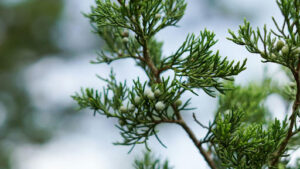
So, you’ve been looking at trees and think you might have spotted a juniper. How can you be sure? Let’s break down the key things to look for.
First off, remember that junipers are evergreens. That means they keep their leaves all year round, which is a good starting point. They can show up as shrubs, groundcovers, or even full-on trees, so don’t expect just one shape. Their size can really vary, from tiny little things just a few inches off the ground to giants that can reach over 100 feet tall.
When you get a closer look at the leaves, you’ll notice they’re not all the same. Young junipers often have sharp, needle-like leaves that can be a bit pokey. But as the tree or shrub gets older, these needles usually change into softer, scale-like leaves that overlap each other. Some junipers might even show both types on the same plant, depending on the age of the branch.
Here are some quick points to help you nail the identification:
- Foliage Type: Look for either sharp, needle-like leaves (often on younger plants) or soft, overlapping scale-like leaves (more common on mature plants).
- Leaf Color: Colors can range quite a bit. You’ll see different shades of green, sometimes a blue-green, or even a silvery-blue. Some can even get a bronze or purplish tint, especially in colder weather.
- Bark: The bark is often a giveaway. It’s usually reddish-brown and tends to peel or shred, looking a bit shaggy.
- Cones: Junipers don’t have typical cones like pines. Instead, they produce small, berry-like structures, usually blue or purplish when ripe. These are a big clue, especially for identifying species like the common juniper.
Don’t get too hung up on just one feature. It’s the combination of the evergreen foliage, the potential for two different leaf types, the characteristic bark, and those distinctive berry-like cones that really point to a juniper. Keep these visual cues in mind, and you’ll get better at spotting them in no time.
Wondering if that tree in your yard is a juniper? Our guide breaks down the key features to look for, making identification a breeze. From its unique foliage to its berry-like cones, we cover all the visual clues.
Ready to confirm your tree’s identity or need expert advice? Visit our website today to learn more and get a free quote for any tree services you might need!
Frequently Asked Questions
What are the main types of leaves on a juniper tree?
Juniper trees have two main kinds of leaves. Young trees or new growth often have sharp, pointy leaves that look like needles. As the tree gets older, these needles usually change into flat, overlapping leaves that look like scales. It’s like the tree is wearing different outfits as it grows!
Do all juniper trees look the same?
Not at all! Junipers are super diverse. Some grow tall like trees, while others stay short and bushy like shrubs or even spread out low to the ground like a carpet. Their leaf colors can also vary, from deep green to blue-green, and sometimes even have a silvery look.
Are juniper berries real berries?
That’s a great question! Those ‘berries’ you see on juniper trees aren’t true berries like you’d find on a blueberry bush. They are actually a type of cone that has become fleshy and colorful. They’re an important food for birds and are used to make gin!
Can a single juniper tree have both needle-like and scale-like leaves?
Yes, it can! Many junipers start with needle-like leaves when they are young, which are often called juvenile leaves. As the tree matures, these needles typically transform into the scale-like leaves that are more common on older branches. So, you might see both types on the same tree.
What color are juniper leaves?
Juniper leaves come in a range of greens and blues. You’ll often see shades of green, blue-green, and even silvery-blue. Some junipers can even change their color a bit in the winter, sometimes looking a little bronze or purplish.
How can I tell if a tree is a juniper by looking at its bark?
Juniper bark is often a key clue! It’s usually reddish-brown and tends to be shredded or stringy, almost like it’s peeling. This shaggy look can be present on the main trunk as well as the smaller branches.
Where do juniper trees usually grow?
Junipers are tough cookies and can grow in many different places across the Northern Hemisphere. They can handle cold climates, deserts, and even rocky or sandy soils. You’ll find them in forests, mountains, and even in people’s yards.
Are junipers always evergreen?
Yes, junipers are evergreen plants. This means they keep their leaves (or needles and scales) all year round, providing greenery even in the winter. They don’t lose all their foliage like deciduous trees do.