
How Big Does a Fig Tree Get: Full Growth Chart & Size Guide
- December 10, 2025
- By Arthur Gray
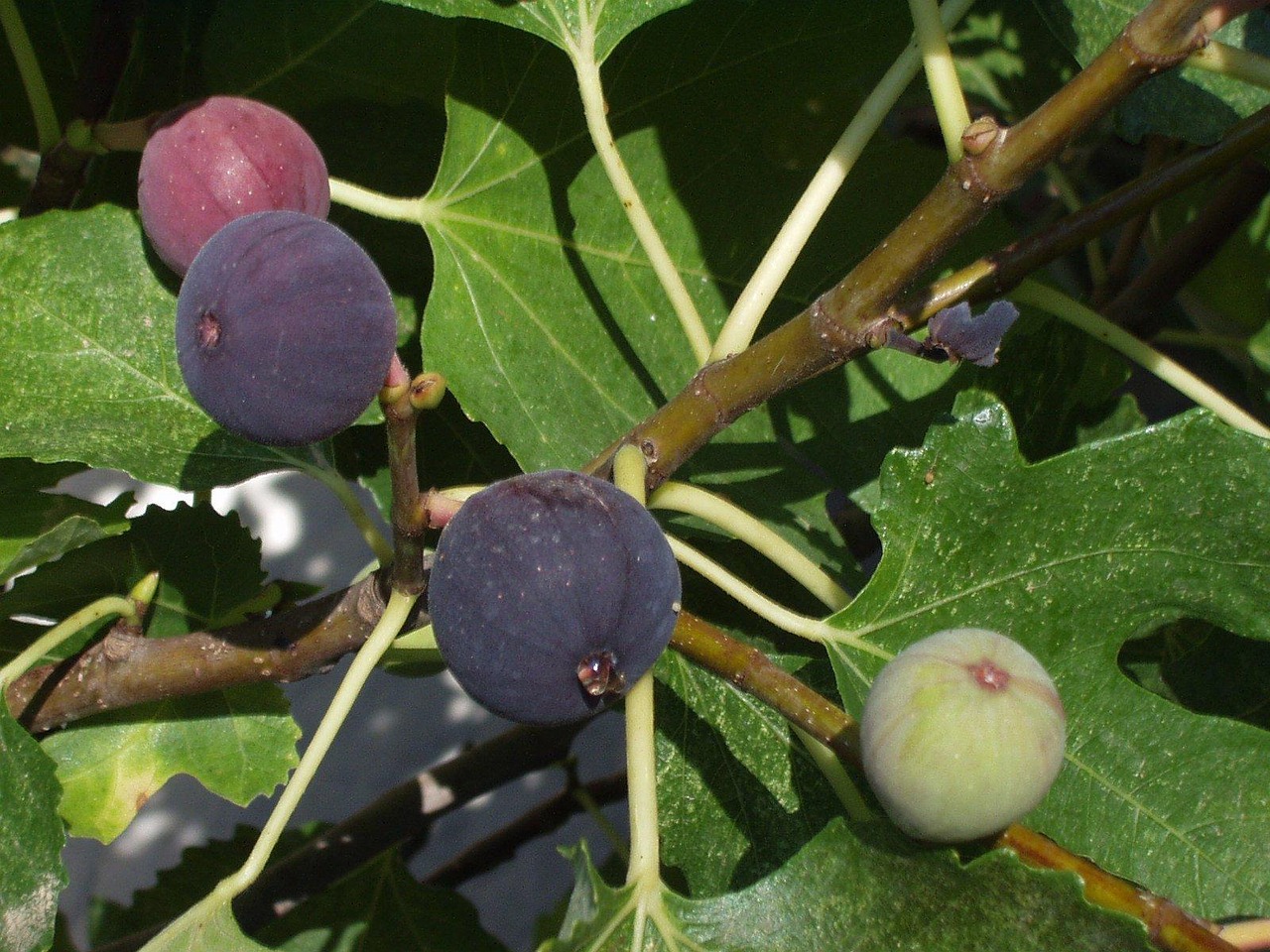
Thinking about adding a fig tree to your garden? That’s awesome! They’re pretty cool plants, giving you tasty fruit and looking good while doing it. But before you dig that hole, it’s super helpful to know just how big these trees can get. It’s not a one-size-fits-all situation, and knowing their potential size helps you pick the right spot and variety.You can totally control how big does a fig tree gets, especially if you grow it in a pot or prune it regularly. This is great for smaller yards or balconies. Let’s get into how big does a fig tree gets.
Why Understanding How Big Does a Fig Tree Get Matters
So, you’re thinking about planting a fig tree? That’s awesome! They’re pretty cool plants, and the fruit is amazing. But before you dig that hole, it’s a really good idea to get a handle on just how big these things can get. It’s not just about knowing if you have enough space, though that’s a big part of it. Knowing the potential size helps you plan for the future, like making sure it won’t block a window or crowd out other plants you might want to grow later on.
Fig trees can go from a small sapling to a pretty substantial tree in just a few years. This rapid growth means you need to think ahead. Planting a tree that gets 20 feet tall and 20 feet wide right next to your house might seem fine at first, but in a decade? Not so much. It’s like buying furniture for a tiny apartment – you need to make sure it fits, not just now, but for the long haul.
Here’s a quick rundown of why size matters:
- Space Planning: Fig trees can spread out quite a bit. You need to consider not just the height but also the width. Will it have enough room to grow without bumping into fences, buildings, or other trees?
- Sunlight Access: A big fig tree can cast a lot of shade. If you have other plants that need full sun nearby, a rapidly growing fig could eventually block their light.
- Harvesting: Knowing the mature size helps you figure out the best way to harvest your figs. A tree that stays smaller is easier to reach than one that grows into a giant.
- Maintenance: Larger trees might require more involved pruning or might be harder to manage if you decide to grow them in containers and move them indoors during winter.
Thinking about the mature size of your fig tree from the start saves a lot of headaches down the road. It’s about setting yourself up for success and enjoying your tree, not dealing with a plant that’s outgrown its welcome.
Plus, different varieties have different growth habits. Some stay relatively compact, while others can become quite large. Understanding these differences means you can pick a tree that fits your yard and your expectations perfectly. It’s all about making informed choices so you can enjoy delicious figs for years to come without any unwanted surprises.
Typical Mature Size: How Big Does a Fig Tree Get
So, you’re wondering, how big does a fig tree get? It’s a fair question, especially when you’re planning your garden space. Most fig trees, when left to their own devices and not pruned, can become quite substantial. We’re generally talking about trees that reach anywhere from 10 to 30 feet tall, and they can spread out just as wide, sometimes even wider. It really depends on the specific variety you choose and the conditions it’s growing in.
Think of it this way:
- Smaller Varieties: Some types, like the ‘Celeste’ or ‘LSU Purple’, tend to stay more on the compact side, often topping out around 7-10 feet tall and wide. These are great if you don’t have a ton of space.
- Medium Growers: Varieties such as ‘Chicago Hardy’ or ‘Brown Turkey’ are usually in the 10-20 foot range for both height and spread. They offer a good balance of size and fruit production.
- Larger Specimens: Then you have the bigger boys, like the ‘Black Mission’ fig, which can push 20-30 feet tall and spread just as much. These need some serious room to grow.
The mature size of a fig tree is highly variable, but most common varieties will eventually reach a height and spread of 15-25 feet if allowed.
It’s not just about the variety, though. Things like soil quality, how much sun it gets, and especially how much you prune it all play a role in how big a fig tree gets. A fig tree grown in a pot, for instance, will naturally stay much smaller than one planted directly in the ground.
Remember that fig trees are deciduous, meaning they lose their leaves in the winter. Don’t panic when this happens; it’s a normal part of their life cycle. They’ll put out new leaves in the spring, ready for another growing season. This natural dormancy is also why they can often survive colder winters than you might expect, especially if they’re protected.
Understanding these potential sizes is key to knowing how big does a fig tree get and how to best accommodate it in your landscape. You don’t want to plant a giant variety right next to your house, only to find out years later it’s blocking windows or pushing against the foundation!
Growth Timeline & Full-Size Chart
So, you’ve got a fig tree, or you’re thinking about getting one. It’s natural to wonder how big this thing is going to get, right? It’s not like it’s going to stay a tiny little sapling forever. Fig trees can grow pretty fast, especially when they’re happy. Most varieties will eventually reach a mature height and spread of around 10 to 30 feet, but this can change a lot based on what kind you have and how you care for it.
Here’s a general idea of what to expect as your fig tree matures:
- Year 1-2 (Sapling Stage): Your young fig tree will focus on establishing its root system. You’ll see some new growth, maybe a few feet of height, but it won’t look like a big tree yet. It’s all about building a strong foundation.
- Year 3-5 (Young Tree): Growth really starts to pick up here. The tree will gain significant height and start to spread out. You might even get your first few figs during this period, though the harvest won’t be huge.
- Year 5+ (Mature Tree): By this point, your fig tree is likely close to its full size. It will be producing a good amount of fruit, and you’ll really see its mature shape and spread. Remember, some varieties, like the Black Mission or Brown Turkey, can get quite large, reaching up to 30 feet, while others, like the Celeste, stay more manageable at around 10 feet.
It’s helpful to see this laid out, so here’s a quick chart for some common fig types:
| Variety | Mature Height | Mature Width | Harvest Time |
| Chicago Hardy Fig | 10-15 Feet | 9-12 Feet | August |
| Celeste Fig | 7-10 Feet | 7-10 Feet | Late June |
| Black Mission Fig | 10-30 Feet | 15-30 Feet | August |
| LSU Purple Fig | 8-10 Feet | 8-10 Feet | Mid July |
| Brown Turkey Fig | 10-30 Feet | 15-25 Feet | July |
Keep in mind that these are average sizes. Factors like your climate, soil quality, and how much you prune can all influence the final size of your tree. Some fast-growing trees, like certain native species, can show significant height increases in just one year, so don’t be surprised if your fig tree grows faster than you expect. Plant growth rates can vary a lot.
If you’re growing in a colder climate, you might need to take extra steps to protect your tree, especially in winter. Sometimes, fig trees can die back in a hard freeze but often come back in the spring. If you’re aiming for a smaller tree, regular pruning is your best friend. It helps keep the size in check and can even encourage more fruit production.
Factors That Affect How Big a Fig Tree Gets
So, you’re wondering what makes one fig tree grow into a giant while another stays a manageable shrub? It’s not just one thing, really. Several factors play a role in how big your fig tree will eventually get.
The variety you choose is probably the biggest influencer. Some figs are naturally bred to be big, sprawling trees, while others are more compact and suited for smaller spaces or containers. For instance, a ‘Black Mission’ fig can get quite large, sometimes reaching 30 feet tall and wide if left to its own devices. On the other hand, a ‘Celeste’ fig is often much smaller, staying closer to 10 feet in both height and spread. It’s like picking between a Great Dane and a Beagle – they’re both dogs, but they end up very different sizes!
Then there’s the climate. Fig trees generally love warmth and sunshine, thriving in places like the Mediterranean. If you live somewhere with really cold winters, your tree might not reach its full potential size, or it might even die back and have to regrow. Some varieties are tougher than others, though. ‘Chicago Hardy’ is known for being pretty resilient in colder zones (like 5-10), but even it might need some winter protection to survive and grow well.
Soil matters too. Figs aren’t super picky, but they do best in soil that drains well. If your soil holds too much water, the roots can rot, which definitely stunts growth. They also like a slightly acidic to neutral pH, around 6.0 to 6.5. If your soil is really poor, you might need to amend it a bit, but usually, they adapt pretty well.
And of course, how you care for your tree makes a difference.
- Sunlight: More sun generally means more growth and fruit. Aim for at least 6-8 hours of direct sun daily.
- Water: Young trees need consistent water to get established. Established trees are drought-tolerant, but regular watering during the growing season helps them produce more fruit and grow better.
- Fertilizer: Don’t go crazy with fertilizer, especially nitrogen. Too much can make the tree grow lots of leaves but not much fruit. A little balanced fertilizer in early spring is usually enough.
- Pruning: This is a big one for controlling size. Regular pruning can keep even a large variety manageable.
It’s interesting how much control you actually have. While the variety and climate set the stage, your day-to-day care and decisions about pruning can really shape the final size and productivity of your fig tree. It’s a bit of a partnership between nature and gardener.
Here’s a quick look at how some popular varieties tend to size up:
| Variety | Typical Mature Height | Typical Mature Width | Hardiness Zone | Notes |
| Chicago Hardy | 10-15 feet | 9-12 feet | 5-10 | Very cold-hardy, good for containers |
| Celeste | 7-10 feet | 7-10 feet | 7-10 | Sweet fruit, compact size |
| Black Mission | 10-30 feet | 15-30 feet | 7-10 | Can get quite large, productive |
| Brown Turkey | 10-30 feet | 15-25 feet | 7-9 | Reliable, adaptable, can get large |
| LSU Purple | 8-10 feet | 8-10 feet | 7-10 | Good for warmer climates, moderate size |
Container vs In-Ground Growth: How Big Does a Fig Tree Get in a Pot
So, you’re thinking about growing figs but don’t have a sprawling backyard? No worries! Fig trees are surprisingly adaptable and do really well in containers. This is a fantastic option if you live in a colder climate, as you can bring your tree inside during the winter months. Growing a fig tree in a pot means you have a lot more control over its size and where it lives.
When you’re choosing a pot, think about the tree’s age. A young tree, maybe one or two years old, will be happy in a 3-5 gallon pot. By its second or third year, it could be producing a decent amount of figs. As the tree matures, say after two years, you’ll want to move it up to a 10-15 gallon pot, or even larger if you have the space. Bigger pots give the roots more room to spread, which generally means a healthier, more productive tree. Just make sure whatever pot you pick has drainage holes – that’s super important.
When it comes to soil, you want something that drains well. A good quality potting mix is a good start, but adding things like perlite, vermiculite, or bark chips can really help prevent waterlogged roots. You’ll want to repot your fig tree every couple of years, usually in the early spring or fall, to give it fresh soil and more space as it grows.
Keeping a fig tree in a pot is a great way to manage its size. You can prune it to keep it compact, making it suitable for a patio, balcony, or even as a large houseplant. While it might not produce as many figs as a tree in the ground, you can still get a good harvest from a container-grown specimen.
Here’s a quick look at pot sizes and potential yields:
| Tree Age/Size | Pot Size | Potential Fig Yield (approx.) |
| Young (1-2 yrs) | 3-5 gallons | 50-75 figs (2nd-3rd year) |
| Mature (2+ yrs) | 10-15+ gallons | 150-200 figs per year |
Remember, while container growing offers flexibility, it also means you’ll need to pay a bit more attention to watering and feeding, especially during the growing season. A balanced fertilizer every four weeks in spring and early summer can help keep your potted fig happy and fruiting.
Pruning and Training: Controlling Size and Shape of a Fig Tree
Fig trees are pretty forgiving when it comes to pruning, which is good news for most of us. The main idea behind pruning is to keep the tree healthy, encourage good fruit production, and, of course, manage its size so it doesn’t take over your yard. You’ll want to do most of your major pruning when the tree is dormant, usually in late winter or early spring before the new growth really kicks off. This is the time to get rid of any branches that are dead, broken, or just crossing over each other awkwardly.
For younger trees, think about building a strong structure. Pick about three to four main branches that look good and strong, and then remove anything that’s competing with them. This helps the tree grow into a sturdy shape. As the tree gets older, you’ll focus more on thinning out crowded areas. This lets more sunlight get into the tree and improves air circulation, which is good for preventing diseases and helping fruit ripen.
Here’s a quick look at what to focus on:
- Remove dead or damaged wood: Always the first step. If a branch is clearly unhealthy, cut it off.
- Thin out crowded branches: Aim for good light and air flow. Don’t let branches rub against each other.
- Shape the tree: Guide its growth. You can train it to grow upwards, outwards, or even flat against a wall (that’s called espalier).
- Manage size: Especially important for container-grown figs. More aggressive pruning keeps them manageable.
Pruning encourages new growth, and figs produce fruit on that new wood, so regular pruning is key for a good harvest.
Sometimes, you might want to do a little extra pruning during the growing season. This is called pinching. Pinching off the tip of a new shoot can sometimes encourage the tree to produce fruit a bit earlier or even increase the size of your breba crop (the fruit that grows on old wood). It’s a bit more advanced, but it can make a difference.
When you’re pruning, think about the overall health and fruit production of your tree. It’s not just about making it look neat; it’s about helping the tree thrive and give you the best possible harvest year after year. Don’t be afraid to make cuts, but always use clean, sharp tools to make nice, clean wounds that heal well.
Space Planning — Where to Plant Based on How Big Does a Fig Tree Gets

So, you’ve got your fig tree, and now you’re wondering where to put it. This isn’t just about picking a sunny spot, though that’s a big part of it. You’ve got to think about the future, how big this thing is actually going to get. Some fig varieties can turn into quite substantial trees, reaching heights and widths of 20 to 30 feet, or even more in ideal conditions. Others stay more manageable, topping out around 10-15 feet. Knowing your specific variety’s mature size is key to avoiding future headaches.
When you’re deciding on a permanent home for your fig, give it plenty of room to spread. A good rule of thumb is to space trees at least 20-30 feet apart from each other and from any buildings or fences. This gives them space to grow without crowding and ensures good air circulation, which helps prevent diseases. If you’re planting near a structure, consider how the roots might interact with foundations over time, though figs are generally not aggressive rooters.
Here’s a quick look at typical spacing needs:
- Smaller Varieties (e.g., Celeste, LSU Purple): Aim for at least 10-15 feet of clear space around the tree.
- Medium to Large Varieties (e.g., Chicago Hardy, Brown Turkey, Black Mission): Plan for 20-30 feet or more.
Think about sunlight, too. Most fig trees need at least 6-8 hours of direct sun daily to produce the best fruit. South-facing walls can offer a nice warm microclimate, especially in cooler regions. Also, remember that fig trees cast a good amount of shade, so don’t plant things directly underneath that need full sun to thrive.
Planting a fig tree is an investment in future harvests. Taking a little time now to consider its mature size and spacing needs will pay off for years to come, ensuring your tree has the best chance to flourish and provide delicious fruit without becoming a nuisance.
If you’re in a colder climate or have limited space, growing in a container is a great option. This allows you to control the size more easily and move the tree indoors during winter. For those planting in the ground, consider the soil drainage. Fig trees don’t like soggy feet, so avoid low-lying areas. A good, well-draining soil mix, perhaps incorporating some perlite, is always a good idea for optimal fig tree growth.
At-a-Glance Guide to Fig Tree Sizes
So, you’re wondering just how big these fig trees get? It really depends on the kind you pick and where you plant it, but most common varieties settle into a nice size.
Most fig trees will eventually reach a mature height of 10 to 30 feet and spread about as wide.
Here’s a quick look at what you might expect:
- Dwarf or Container Varieties: These are often kept small, sometimes under 6 feet, making them perfect for patios or small yards. They’re usually pruned to stay that way.
- Common Varieties: Think Brown Turkey or Chicago Hardy. These tend to be medium-sized, usually topping out around 15-20 feet tall and wide.
- Larger Varieties: Some types, like Black Mission, can get quite big, reaching up to 30 feet tall and spreading just as much if they have the space and the right conditions.
Typical Mature Size Ranges:
| Variety Type | Mature Height (ft) | Mature Spread (ft) |
| Dwarf/Container | 3-8 | 3-6 |
| Common/Medium | 10-20 | 10-20 |
| Large/Vigorous | 20-30 | 20-30 |
Remember, these are just general guidelines. Things like your climate, soil quality, and how much you prune can really change how big your fig tree gets. A tree in a pot will never get as big as one planted in the ground with plenty of room to grow.
Fig trees are pretty adaptable. While some can become quite large, they’re also forgiving and can be managed with pruning to fit your space. Don’t be afraid to plant one, even if you have a smaller yard; you can usually keep it in check.
Trying to figure out the right size for your fig tree? Our quick guide breaks down everything you need to know about fig tree sizes, making it easy to choose the perfect one for your space. Get all the details and more helpful tips on our website!
Frequently Asked Questions
How tall and wide can a fig tree get?
Most fig trees, when left to grow naturally without much trimming, can reach about 20 to 35 feet tall. Their branches can spread out just as wide, sometimes even wider, depending on the type of fig tree and the soil it’s growing in. But don’t worry, you can keep them smaller with regular pruning!
Do fig trees lose their leaves?
Yes, fig trees are deciduous, which means they lose their leaves in the fall or winter. This is a normal part of their life cycle. They’ll grow new leaves in the spring, usually with a fresh batch of figs too!
Can I grow a fig tree in a pot?
Absolutely! Fig trees do really well in containers. This is a great option if you don’t have a lot of space or if you live in a colder area. You can even bring potted fig trees inside during the winter to protect them from freezing temperatures.
How often should I water my fig tree?
Watering is super important for controlling how your fig tree grows. Young trees need water regularly, about once or twice a week, especially in the first year. Once they’re established, they become pretty good at handling dry spells, but they’ll produce more fruit if you water them consistently during the growing season. Let the top inch or two of soil dry out before watering again.
When do fig trees start producing fruit?
Patience is key! Newly planted fig trees usually take about 2 to 3 years to start giving you fruit. But once they get going, a healthy fig tree can keep producing delicious figs for many, many years – sometimes 50 years or more!
Do I need to fertilize my fig tree?
Fig trees aren’t big eaters. They don’t need a lot of fertilizer, and too much can actually be bad, leading to more leaves instead of fruit. If you do fertilize, it’s best to do it in early spring when the tree starts growing again. Using a balanced fertilizer or organic options like compost works well.