
Can You Grow Avocados in Arizona? Growing Tips

- February 3, 2026
- By Arthur Gray
So, you’re wondering if you can grow avocados in Arizona? It’s a fair question, considering the desert heat and all. While it might sound a bit wild, the answer is actually yes, you can grow avocados in Arizona, but it’s not exactly like growing them in California. You’ll need to pay attention to a few things, like the type of tree you pick and where you plant it. It takes a little extra effort, but the reward of fresh avocados from your own yard? Totally worth it, if you ask me. Let’s get into the details of whether can you grow Avocados in Arizona.
Understanding Arizona’s Climate for Avocado Trees
Arizona’s climate can be a bit of a mixed bag for avocado trees, and you really need to know what you’re getting into. We’ve got scorching hot summers, especially in the lower desert areas like Phoenix and Tucson, and then milder winters. Up north, it’s a bit more like four seasons, but still generally mild. The biggest challenge is definitely the intense summer heat and the dry air.
Here’s a quick rundown of what to expect:
- Summer Heat: Temperatures can easily climb over 100°F, and sometimes even 115°F or more. Young trees, especially, can get really stressed and even damaged by this.
- Winter Cold: While not as extreme as some places, we can get frost, particularly in higher elevations or colder pockets. Some avocado varieties are more sensitive to this than others.
- Low Rainfall: Arizona is naturally dry. Avocados need consistent moisture, so you’ll be doing most of the watering.
- Soil Salinity: This is a big one. Our soil and water can have higher salt content, which avocados really don’t like. It can lead to leaf burn and stunted growth.
Which Avocado Varieties Grow Best in Arizona?
Picking the right avocado variety is a big deal when you’re trying to grow them in Arizona. It’s not like some places where you can just stick any tree in the ground and hope for the best. The intense heat and sometimes salty soil here can be tough on a lot of types.
Guatemalan and Mexican varieties tend to do better in Arizona’s climate. These types are generally more heat-tolerant than some of the others. They’ve got a better shot at handling those scorching summer days without shriveling up.
Here’s a quick look at some types and what to expect:
- Mexican Varieties: Often more cold-hardy and can handle heat better. Examples include ‘Mexicola’ and ‘Winter Mexican’. ‘Mexicola’ might survive for years but not grow much, while ‘Winter Mexican’ has shown more promise.
- Guatemalan Varieties: These are known for their rich, creamy fruit but can be more sensitive to cold. They often crossbreed with Mexican types, creating hybrids that might offer a good balance.
- Hass Variety: This is the most common avocado you see in stores, but it’s notoriously fussy in extreme heat. Many growers find Hass trees struggle significantly when temperatures go over 115°F, even with shade.
- Florida Varieties: Some growers suggest looking into Florida-grown rootstock (like Lula or Waldin) because they are often more salt-resistant, which can be a plus in Arizona’s soil conditions.
When choosing a variety, think about what you’re willing to do to help the tree. Some might need extra shade, careful watering, or specific soil amendments to thrive. It’s a bit of an experiment, and what works for one person might not work for another, even in the same neighborhood.
Can You Grow Avocados in Arizona Deserts vs Higher Elevations?
The desert areas, like Phoenix and Tucson, are known for their intense summer heat and pretty mild winters. This means your avocado tree will need serious protection from the sun during the hottest months. Think of it like giving it a nice, shady spot to relax when the temperatures really climb. Young trees are especially vulnerable, so finding that perfect east-facing location for morning sun and afternoon shade is key. You might even need to consider shade cloth, especially when the tree is just getting established.
Up in the higher elevations, things change. You’ll experience more distinct seasons, with cooler summers and potentially colder winters. This can be a bit of a mixed bag for avocados. While the cooler summers might be a relief for the trees, the risk of frost and freezing temperatures in winter becomes a much bigger concern. Some avocado varieties are more cold-hardy than others, so choosing the right type is even more important if you’re gardening at a higher altitude. You’ll need to be prepared to protect your trees from those unexpected cold snaps.
Here’s a quick look at how the locations might stack up:
- Desert Areas:
- Pros: Long growing season, mild winters.
- Cons: Extreme summer heat, potential for salt buildup in soil and water.
- Needs: Heavy shade during summer, careful watering to manage salinity.
- Higher Elevations:
- Pros: Cooler summer temperatures, potentially less intense sun.
- Cons: Increased risk of frost and freezing temperatures, shorter growing season.
- Needs: Protection from winter cold, possibly hardier varieties.
Ultimately, success in either location hinges on understanding the specific microclimate of your yard and selecting an avocado variety that can handle those conditions. It’s not just about planting it and forgetting it; it’s about giving your tree the right support system to thrive where you are.
Heat Tolerance of Avocado Trees in Arizona
Arizona’s heat is no joke, and avocado trees, especially when they’re young, can really struggle with it. Protecting your young avocado tree from the intense afternoon sun is super important. Think of it like giving them a little umbrella during the hottest part of the day. Many folks find that placing their trees on the east side of a deciduous tree works wonders. This way, they get shade when the sun is at its strongest in the summer, but can soak up the winter sun when it’s not so harsh.
Some varieties just handle the heat better than others. The Hass variety, for instance, is known to be pretty sensitive to extreme temperatures, often wilting or showing signs of stress when it gets really hot, like over 115°F. Other types, like the Zutano, might fare a bit better, but they can have their own issues, like salt burn. It’s a bit of a balancing act.
Here’s a quick rundown of how some varieties might cope:
- Hass: Generally struggles with the intense Arizona summer heat.
- Zutano: Tends to be more heat-tolerant than Hass, but can be susceptible to salt burn.
- Winter Mexican: Shows good heat tolerance and is also quite cold-hardy.
If you don’t have a suitable tree to offer shade, you can always set up a shade cloth structure. Just make sure it allows for good air circulation. This is a good way to manage the sun exposure for your avocado tree without relying solely on natural shade. Remember, even with shade, the soil and water salinity can still be a challenge for these trees in Arizona.
Cold and Frost Risks for Growing Avocados in Arizona
While Arizona is known for its heat, it’s not immune to cold snaps, especially in higher elevations or during unusual winter weather. Avocado trees, particularly young ones, can be quite sensitive to frost. A hard freeze can damage or even kill an avocado tree if it’s not protected.
Most common avocado varieties, like Hass, are generally hardy down to about 28-30°F (-1 to -1°C) for short periods once established. However, some varieties, often those with Mexican or West Indian heritage, can tolerate slightly lower temperatures, sometimes down to 22°F (-5.5°C).
Here’s a quick look at how different temperatures can affect your avocado tree:
- 28-32°F (-1 to 0°C): Young leaves and blossoms may be damaged. Established trees can usually recover.
- 25-28°F (-4 to -1°C): Twigs and smaller branches can be injured. Fruit may drop.
- Below 25°F (-4°C): Significant damage to branches and trunk is likely. The tree may not survive prolonged exposure.
If a frost is predicted, especially for a young or newly planted tree, you’ll want to take precautions. Covering the tree with a frost cloth, blanket, or even a tarp can make a big difference. Make sure the cover extends all the way to the ground to trap warmth. For container-grown trees, you can move them to a more sheltered location, like a garage or covered patio.
Pruning at the wrong time can also leave your tree vulnerable. Avoid heavy pruning in late summer or early fall, as new growth might not have time to harden off before the cold weather hits, making it susceptible to frost damage.
Best Planting Locations for Avocado Trees in Arizona
Finding the right spot for your avocado tree in Arizona is pretty important, especially with our intense sun and dry air. You really want to pick a place that offers a bit of protection. Morning sun is great, but that harsh afternoon sun can be brutal on young trees. Think about planting on the east side of your house or a larger structure. This way, your little avocado gets a nice dose of gentle morning light and then some relief from the intense heat when the sun really starts beating down.
Another good idea is to place it near or even under a larger, established deciduous tree. Why deciduous? Because in the summer, its leaves will provide shade, but in the winter, when the leaves fall off, your avocado tree can soak up all that extra sunlight without any problems. It’s like a natural umbrella that changes with the seasons.
Here are a few things to consider when choosing a spot:
- Protection from Wind: Strong winds can dry out the leaves and even damage the branches. Try to find a somewhat sheltered location.
- Morning Sun, Afternoon Shade: This is the golden rule for Arizona. The east side of your property is usually your best bet.
- Proximity to Other Plants: Planting near a larger tree can offer natural shade. Just make sure there’s enough space for both root systems to grow.
- Drainage: While not strictly a location factor, ensure the spot you choose doesn’t hold water. Soggy roots are a quick way to disaster.
Soil Requirements for Growing Avocados in Arizona
Getting the soil right for your avocado tree in Arizona is pretty important, especially with how different things can be here compared to where avocados usually grow.
Avocado trees really don’t like having their roots sit in soggy soil. They need something that drains well and fast. If you’ve got that heavy clay soil that’s common in parts of Arizona, you’re going to need to amend it. Trying to grow an avocado in pure, dense clay is just asking for trouble.
Here’s what you should aim for:
- Good Drainage: This is the number one thing. If water sits around the roots, they’ll rot. You need soil that lets excess water escape quickly.
- Slightly Acidic to Neutral pH: Most avocado varieties do best with a soil pH between 6.0 and 7.0. You can get a soil test kit from a garden center to check this.
- Plenty of Organic Matter: Mixing in compost is a great way to improve drainage in clay soils and add some nutrients. It also helps sandy soils hold a bit more moisture without becoming waterlogged.
If you’re planting in a container, you’ll want to use a good-quality potting mix that’s designed for drainage. Don’t just use dirt from your yard in a pot; it’ll likely compact too much and cause problems.
Water Needs and Irrigation Tips for Arizona Avocado Trees
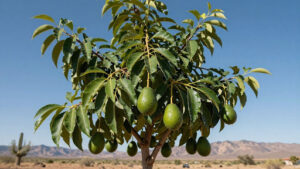
Watering your avocado tree in Arizona is a bit of a balancing act, especially with the desert heat and sometimes salty water. The key is deep, infrequent watering to encourage strong root growth and help flush out salts.
During the hot summer months, you’ll likely need to water more often. Think about giving your tree a good, deep soak every 2 to 3 weeks. In the cooler winter months, say from November through January, you can stretch that out to about once every three weeks. The goal is to make sure the water penetrates at least three feet down, reaching those important roots. You can tell if you’re watering enough by checking the soil moisture a few inches down before you water again. If it’s still damp, hold off.
When it comes to irrigation methods, basin irrigation is a good choice. This involves creating a small berm or moat around the base of the tree to hold water, allowing it to soak in slowly and deeply. This method is particularly helpful for pushing salts away from the root zone, which is a common issue in Arizona soils. If you notice signs of salt burn on the leaves, like browning tips, a very slow, long soak for several hours can help wash those salts to the outer edges of the watered area. Some folks even use drip irrigation, which can be efficient for delivering water directly to the roots. If you’re growing your avocado in a container, you’ll probably need to water more frequently than an in-ground tree, possibly every day or two in the summer, depending on the pot size and the mix used. Lifting the container to feel its weight is a good trick for smaller pots to gauge moisture levels.
Here’s a general guideline for watering frequency, though always adjust based on your specific conditions:
- Summer (June-August): Deep soak every 2-3 weeks.
- Spring & Fall (March-May, September-October): Deep soak every 3-4 weeks.
- Winter (November-February): Deep soak every 3-4 weeks, or when the soil is dry.
For those growing in containers, you might find yourself watering every 1-3 days during the peak summer heat. Always check the soil moisture first, though. You can find great resources for avocado nurseries in Casa Grande, Arizona, that can offer more localized advice.
Can You Grow Avocados in Arizona Using Containers?
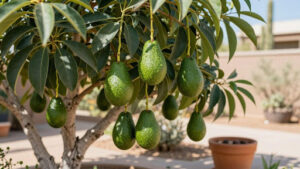
So, you’re wondering if you can grow avocados in Arizona, but maybe you don’t have a big yard, or you’re worried about the soil. Good news! Container growing is definitely an option for avocado enthusiasts in Arizona. It gives you a lot more control over the growing conditions, which is super helpful in our unique climate. You can move the pot around to find the perfect spot, protect it from harsh weather, and manage the soil and water more precisely. This makes it a viable way to try growing avocados in Arizona, even if you’re in a desert area or have less-than-ideal soil.
When choosing a container, drainage is the absolute most important thing. Avocado roots need to breathe, so make sure whatever pot you pick has plenty of holes, especially near the bottom. I’ve seen healthy trees in plastic bins, metal cans, and even fabric grow bags. The material or shape doesn’t seem to matter as much as good drainage. You’ll want a pot that’s at least 15-20 gallons for a young tree, and you’ll likely need to repot it into a larger one as it grows.
Here are some key things to keep in mind for container-grown avocados in Arizona:
- Potting Mix: Don’t overthink this one too much. Many different mixes work. Some growers use a mix with native soil, compost, and even wood chips. Others prefer a grittier mix with pumice, sand, and lava rock. The main goal is to have a mix that drains well but still holds some moisture.
- Watering: Container trees dry out faster than those in the ground. You’ll probably need to water more often, especially during our hot Arizona summers. Check the soil moisture regularly by feeling the weight of the pot or sticking your finger a few inches down. Water when the top inch or two feels dry. Some people water daily in summer, others every couple of days. Drip irrigation can be a lifesaver here.
- Sun and Heat Protection: While avocados need sun, our Arizona sun can be brutal, especially on the container itself. The sides of the pot can get incredibly hot, damaging the roots. Consider wrapping your container with shade cloth or light-colored material, or painting the south-facing side white to reflect heat. Placing the pot on bricks can also help with airflow and drainage.
- Fertilizing: Container avocados will need regular feeding. A balanced fertilizer like a 4-4-2 or Osmocote works well for many growers. Follow the product instructions, and don’t overdo it, especially in the cooler months.
Yes, you can grow avocados in Arizona using containers. It’s a practical approach for many gardeners. You can grow avocados in Arizona this way. It’s a good method for those asking, ‘Can you grow avocados in Arizona?’ Yes, you can grow avocados in Arizona. It’s a common question: ‘Can you grow avocados in Arizona?’ The answer is yes, especially in pots.
Sunlight Requirements for Avocado Trees in Arizona
When it comes to sunlight, avocado trees in Arizona need a bit of a balancing act. Young trees are particularly sensitive to the intense desert sun and absolutely require protection from the harsh afternoon rays. Think of it like this: they love the morning sun, which gives them energy, but they really need a break from the heat when it’s at its peak.
Here’s a quick rundown of what to aim for:
- Morning Sun: Aim for at least 6-8 hours of direct morning sunlight.
- Afternoon Shade: This is non-negotiable for young trees. Protect them from the intense heat between roughly 11 AM and 4 PM.
- Mature Trees: While still benefiting from afternoon shade, older trees can tolerate more direct sun than their younger counterparts.
Planting an avocado tree in full, unrelenting sun in Arizona is a fast track to a stressed or even dead tree. It’s a common mistake people make when trying to grow these tropical-leaning fruits in our arid climate. Always prioritize that afternoon shade, especially when the tree is just getting established.
Common Pests and Diseases Affecting Avocados in Arizona
Even when you’ve picked the right spot and variety, pests and diseases can still be a headache for your avocado tree in Arizona. It’s not just about the heat and salty soil, you know.
One of the main concerns is root rot, often caused by a fungus called Phytophthora cinnamomi. This nasty pathogen loves wet, poorly drained soil, which can be a problem if your watering isn’t quite right or if you have heavy clay soil. Keeping the soil from staying waterlogged is your best defense against root rot.
Other common issues include:
- Mites: These tiny critters can suck the life out of leaves, leaving them stippled and weak. You might see fine webbing on the leaves or stems.
- Thrips: These small insects can damage new growth and flowers, leading to distorted leaves and reduced fruit set.
- Borers: While less common, certain borers can tunnel into the trunk or branches, weakening the tree.
- Leaf Spot Diseases: Various fungi can cause spots on the leaves, which can lead to premature leaf drop if severe.
Dealing with these pests and diseases often involves a combination of good horticultural practices and, sometimes, targeted treatments. For instance, encouraging beneficial insects can help keep mite and thrips populations in check. If you suspect a serious fungal issue like Phytophthora cinnamomi, it’s best to consult with a local arborist or agricultural extension office for specific advice on treatment and prevention.
Remember, a healthy tree is less susceptible to pests and diseases. Focusing on proper watering, soil health, and providing adequate nutrients will go a long way in keeping your avocado tree robust and resilient against common problems in the Arizona climate.
Fertilizing Avocado Trees in Arizona Conditions
When it comes to feeding your avocado tree in Arizona, you’ve got to be a bit careful. These trees are pretty sensitive to salts, which can be a big problem with our local water and soil.
It’s generally safest to avoid standard chemical or organic fertilizers that might contain salt or sodium. These can really harm your tree and slow down its growth. Instead, think about feeding your tree naturally.
Here are a few ways to go about it:
- Compost is your friend: Keeping a light layer of compost around the base of your tree is a great way to give it the nutrients it needs without the risk of salt burn. It breaks down slowly, feeding the soil and the roots.
- Fish emulsion: Many gardeners find success using fish emulsion at least once during the growing season. It’s a gentler option that’s less likely to cause issues.
- Avoid over-fertilizing: Even with gentler options, more isn’t always better. Stick to a regular, but not excessive, feeding schedule.
Remember, the goal is to provide nutrients without stressing the tree. Our Arizona conditions mean we have to be a bit more mindful of what we’re adding to the soil. A healthy soil ecosystem will do a lot of the heavy lifting for you, so focus on building that up.
Expected Growth Rate and Fruit Production in Arizona
Growing avocado trees in Arizona is definitely a long game, and patience is key. You’re not going to get a bumper crop in a year or two, that’s for sure. Most trees, especially when they’re young and still getting established in our tough climate, will focus more on growing their roots and canopy than on producing fruit.
Here’s a rough idea of what to anticipate:
- Year 1-2: Focus on establishment. Growth might be slow, and fruit production is unlikely. The tree is building its foundation.
- Year 3-5: You might see some flowers, and potentially a few fruits. Don’t expect much, but it’s a good sign! The tree is starting to mature.
- Year 5+: With good care and the right variety, you should start seeing more consistent fruit production. The size and quality of the fruit will also improve.
It’s also worth noting that even mature trees might not produce fruit every single year. Some varieties are more prone to alternate bearing, meaning they have a heavy crop one year and a lighter one the next. Plus, our extreme weather can sometimes impact pollination or fruit set.
While seeing a mature, fruit-laden avocado tree in Arizona is still somewhat rare, it’s not impossible. Success often comes down to selecting the right variety, providing consistent care, and understanding the unique challenges our desert environment presents. Don’t get discouraged by slow progress; enjoy the journey of nurturing your tree.
Thinking about how much fruit your trees might produce in Arizona? Section 14, “Expected Growth Rate and Fruit Production in Arizona,” dives into this. We explain how quickly trees grow and how many fruits you can expect them to yield in the Arizona climate. Want to know more about keeping your trees healthy and productive? Visit our website for expert tips and services!
Frequently Asked Questions
What’s the biggest challenge when growing avocados in Arizona?
The biggest hurdles are the intense summer heat and the salty soil and water. You’ll need to protect young trees from the sun and be mindful of how you water to manage salt buildup.
Which types of avocado trees do best in Arizona?
Guatemalan and Mexican avocado varieties tend to handle Arizona’s heat better. Some specific types, like Aravaipa and Winter Mexican, have also shown good resilience. It’s best to avoid varieties that are very sensitive to heat and salt.
Where should I plant my avocado tree in Arizona?
The best spot gets morning sun but is protected from the harsh afternoon sun. Planting on the east side of your house or near a larger, deciduous tree that provides afternoon shade is ideal. You might also need to set up a shade structure for young trees.
How much water do avocado trees need in Arizona?
Watering needs change with the seasons. In hot summers, you might water every 3-5 days, but in cooler months, every 3 weeks might be enough. Always water deeply to help push salt away from the roots, and let the soil dry out a bit between waterings.
What if my tree’s leaves look burned or damaged?
This could be salt burn. Try a deep soaking method: turn your hose on very low at the base of the tree for several hours. This helps wash the salt down and away from the main roots.
Can I grow avocados in containers in Arizona?
Absolutely! Container growing is a great option, especially if you have less-than-ideal soil. Just remember that container plants need more frequent and consistent watering.
What kind of soil do avocado trees like?
Avocado trees prefer soil that drains well. While Arizona soil can be clay-heavy, you can improve it by mixing in sand and compost to create a lighter, nutrient-rich mix.
Do I need to fertilize my avocado tree?
Yes, but be careful! Avoid fertilizers with salt or sodium, as they can harm the tree. Fish emulsion or other organic fertilizers are generally safer choices.
When is the best time to plant an avocado tree in Arizona?
The ideal times to plant are in the cooler months of March, April, September, and October. Planting in the fall or early spring is generally better than during the peak heat of summer.
How much sun do avocado trees need?
Young trees need protection, usually about 50% shade, especially from the intense afternoon sun. As they get older and stronger, they can tolerate more sun, but it’s still best to avoid direct, harsh sunlight during the hottest part of the day.
Will my avocado tree produce fruit in Arizona?
It’s possible! While it can be challenging, with the right variety, location, and care, your tree can eventually produce fruit. Some varieties are better suited for Arizona’s climate than others, and having a second tree for pollination can help increase fruit production.