
Tree Pruning for Healthy Growth: A Complete Homeowner’s Guide
- August 16, 2026
- By Arthur Gray
Essential tools for tree pruning
Maintaining the health of your backyard landscape requires a collection of reliable instruments designed to make clean, efficient cuts. Selecting the right implement for a specific task protects the tree’s vascular system and ensures rapid healing, which is why homeowners should invest in quality gear that remains sharp and clean. Proper maintenance of these items is just as vital as the active work of trimming itself.
Hand pruners and loppers for small branches
For most routine maintenance, a high-quality pair of bypass pruners is your primary companion. These operate much like scissors, creating a clean slice that minimizes crushing, unlike anvil pruners which can damage delicate stems. You can explore apple trees care to see how these standard hand tools facilitate basic branch management and fruit-bearing health.
Pruning saws for larger limbs
When you encounter branches thicker than an inch, hand pruners will likely fail or force you into making a sloppy, jagged cut. A sharp pruning saw with a curved blade allows you to navigate tighter crotches with precision while reducing the friction that leads to binding. Understanding the difference between these heavy-duty needs versus light trimming is covered in our tree trimming and pruning comparison guide.
Pole pruners for high-reaching maintenance
Safety is often sacrificed when people try to reach high canopy growth using improper climbing methods or unstable step ladders. Pole pruners allow you to reach upper branches while your feet remain firmly planted on the ground, minimizing the risk of a fall while keeping your backyard trees in top shape. These telescoping tools effectively extend your reach for those difficult areas that otherwise stay overgrown.
Proper maintenance and cleaning of cutting blades
Over time, sap and debris build up on your blades, turning smooth tools into sticky hazards that spread disease from one limb to the next. After every session, wipe your blades with a sanitizing solution followed by a light coating of oil to prevent rust. Ensuring these are kept in good condition is a key step in properly pruning large trees to avoid lingering damage to your investment.
Determining the best timing for tree maintenance
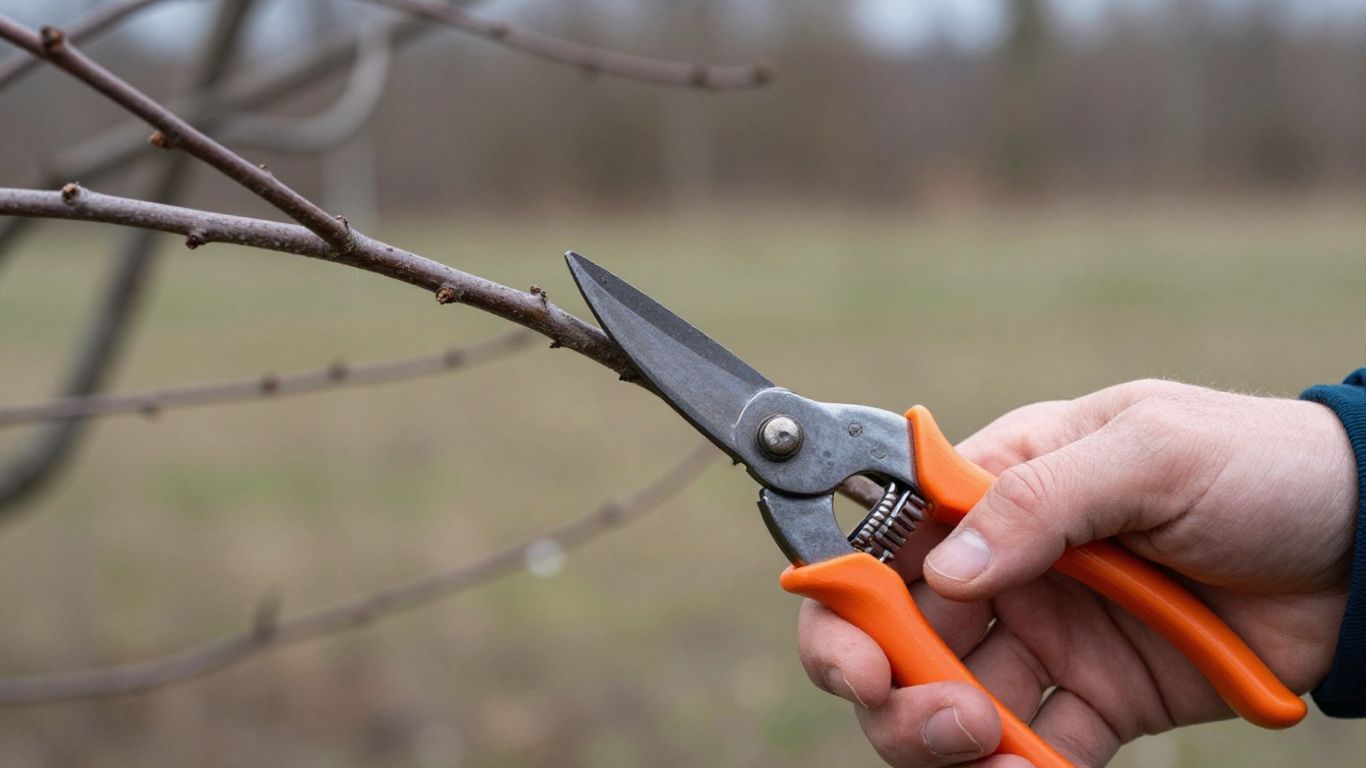
Trees generally respond best to structural intervention during specific periods when their metabolism is either slowed down or shifting toward healing. By aligning your work with the tree’s natural cycle, you avoid unwanted stresses that can render an otherwise healthy specimen vulnerable to infection or stunted growth. Mastering the seasonal windows for work ensures your efforts result in the most robust growth.
Dormant season pruning benefits
Late winter, specifically when the tree has completely dropped its leaves but before the first buds swell, offers excellent visibility into the internal structure of the tree. This dormant period is ideal for identifying deadwood or crossing branches because the canopy’s shape is entirely exposed. You can learn more about this approach by reviewing guides on trimming mesquite trees for better health.
Addressing emergency damage after storms
Severe weather events such as heavy wind or ice can leave branches dangling or split, posing an immediate danger to homeowners and property lines. Storm-damaged limbs must be removed almost immediately regardless of the season, as their unstable state risks tearing healthy bark further down the trunk. In these situations, contact someone who offers tree pruning services to manage the recovery process safely.
Seasonal timing variations based on tree species
Different species have vastly different requirements, and applying a one-size-fits-all schedule can cause unintended consequences. While some varieties thrive after flowering, others strictly require winter intervention to prevent disease outbreaks like oak wilt. When working with redbud trees, avoid winter pruning entirely to save the upcoming season’s display of vibrant blooms.
Avoiding pruning during peak sap flow periods
Cutting during active growth phases causes the tree to lose significant energy through sap bleeding, which weakens the plant and attracts unwanted insects. Most trees are highly vulnerable when they are putting energy into putting out new leaves or at the end of the season when they are storing energy for dormancy. Observing these quiet times is fundamental to ensuring your tree maintains maximum vigor throughout the year.
Fundamental pruning techniques for amateurs
Learning to make the right cut is far more important than owning the most expensive gear in the shed. By understanding how to influence growth, you can guide a young tree toward a strong form. There are specific methods to ensure your cuts cause the least amount of disruption while achieving your aesthetic or functional goals.
The three-cut method for heavy branches
To prevent the bark from peeling down the main trunk, which is a common and destructive mistake, always use the three-cut method for any limb with significant weight. The first cut is a shallow notch on the underside, followed by a second cut outside the first to drop the weight, and a final clean cut just outside the collar. This technique is described in detail within our guide on trimming apple trees to prevent damage.
Thinning cuts to improve light penetration
Thinning involves completely removing a branch at its point of origin from a larger limb or trunk, which opens up the tree interior for better airflow and sun. This technique is superior to indiscriminate trimming that leaves the exterior dense and the interior dark. Consider the following outcomes for different pruning strategies:
| Pruning Type | Primary Goal | Influence on Tree |
|---|---|---|
| Thinning | Air Circulation | Promotes inner leaf health |
| Heading | Height Control | Encourages dense outer bushiness |
| Cleaning | Structural Safety | Removes hazards and diseased wood |
Heading cuts for height and shape control
Heading cuts are used to shorten branches or the main leader, which forces the tree to produce more lateral shoots near the cut. While useful for keeping a tree within a specific footprint, excessive heading causes twiggy growth that is inherently weaker than the original branch. Use this sparingly to maintain a natural look rather than forcing an artificial shape.
Identifying the ideal branch collar location
Every branch has a swollen area at its base where it meets the trunk, known as the branch collar, which contains the tree’s chemical defenses against rot. Cutting flush with the trunk removes this crucial protection and invites pathogens into the heartwood, while leaving a stub invites dieback. Aim to cut just outside that swollen collar to encourage the tree to heal naturally over the wound.
Identifying branches to remove for healthy growth
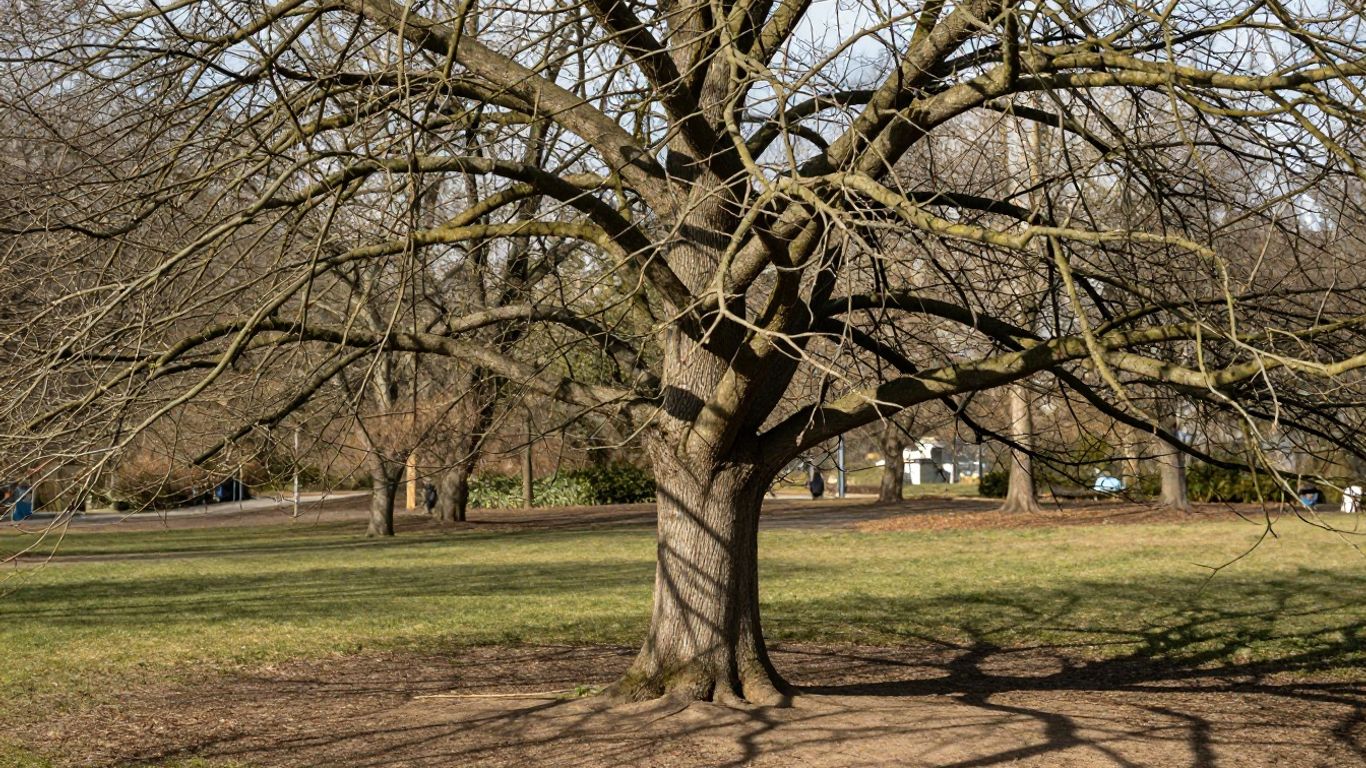
Developing a keen eye for weak or compromised parts of the tree is the mark of a skilled gardener. Not every branch serves the tree well; some are actively stealing resources that could be directed toward stronger, more productive limbs. Proper appraisal of a canopy’s needs allows you to streamline the tree structure, making it more resilient against environmental pressures.
Recognizing signs of pest infestation and disease
If you see sections that fail to produce leaves or show unusual discoloration, you are likely looking at a health issue that warrants removal. Look for fungal growths, deep lesions in the bark, or tunnels from wood-boring insects. Removing these early prevents the problem from traveling to the rest of the tree and saves the homeowner from needing more invasive tree care advice.
Correcting structural issues like crossing branches
Branches that rub against one another eventually create open wounds where disease can enter and cause long-term decay. It is crucial to step in before these limbs cause permanent structural damage to the bark. You should remove one of the rubbing limbs to preserve the integrity of the remaining healthy branch.
Removing unproductive suckers and water sprouts
Suckers grow from the roots or base, often signaling that the tree is stressed or that the graft union is failing. Similarly, water sprouts shoot vertically from established limbs, consuming energy without contributing to the tree’s overall growth. A successful maintenance routine should involve these steps:
- Cut away any vertical water sprouts emerging from main limbs.
- Remove suckers as soon as they appear at the base.
- Clear out any crossing branches that cause bark abrasion.
- Target thin, weak twigs that clutter the canopy interior.
Prioritizing dead and dying wood removal
Deadwood is a magnet for wood-rotting fungi and pests that can eventually compromise the health of the live portions of your tree. Since dead branches no longer respond to pruning in the same way as healthy ones, they should be removed whenever they are identified. Taking care of these elements is a standard practice for maintaining vibrant evergreen trees.
Prioritizing safety during the process
Pruning can be a physically demanding task that places homeowners in potentially precarious positions, especially when using heavy tools near fragile structures or utility lines. Approaching each job with a clear awareness of hazards prevents injury and protects the long-term well-being of the trees involved. A cautious environment is the first step toward a successful outcome.
Essential personal protective equipment for homeowners
Wearing the right gear protects you from accidental cuts and falling debris during the trimming process. Always use eye protection, sturdy gloves, and a hard hat if you are working near any height that could cause overhead materials to fall. These simple precautions are required before starting any work on branches that could snap unexpectedly.
Risk assessment for overhead electrical lines
Never attempt to prune near power lines, as these represent a life-threatening danger that requires specialized training and insulation. Even if a branch seems far away, contact with a metal tool or a reaching pole near a live line can lead to severe electric shock. This is one area where you must always defer to professionals to maintain site safety.
Proper ladder usage and ground surface stability
Ladders often lead to instability, especially when reaching across branches on uneven terrain. Always ensure that your ladder is on level ground and secured properly before attempting any cuts. If you find yourself overextending, it is a clear sign that you should stop and reposition rather than risk falling.
Knowing when to call a professional arborist
When a job requires climbing, heavy equipment, or brings you into contact with hazardous conditions near homes, it is time for professional assistance. Arborists have the insurance, training, and heavy-duty machinery to remove limbs without damaging your property. You can consult with expert arborists for any task that exceeds your personal comfort or skill level.
Providing post-pruning care for optimal recovery
Once the work is done, the tree needs time to adjust to its new structure and heal the fresh cuts. Consistent monitoring and proper environmental support facilitate a steady transition, preventing shock and encouraging the growth you envisioned. Good aftercare ensures that your hard work translates into long-term vitality for the entire plant.
Understanding natural wound closing processes
Trees do not heal like human skin; they compartmentalize the wound, which means they seal off damaged cells using natural chemicals to stop rot. If you made the correct cuts outside the collar, you will see a circular ring of callous tissue forming around the wound over time. Providing adequate time for this natural barrier to grow is the most important part of the tree’s internal recovery.
Hydration and mulching practices post-pruning
Stress reduction is vital after any intervention, particularly during hot or dry spells. Ensure the tree receives a slow, deep watering to support its energy needs while it closes its wounds. Applying an organic mulch layer around the base, but not touching the trunk, keeps the soil moisture levels stable and mimics the natural conditions of a forest floor.
Monitoring for signs of secondary stress
Keep an eye on the leaves and bark of your tree for several weeks for signs of drooping, drying, or new pest activity. Trees that have recently been pruned are momentarily weaker and may attract opportunistic pests looking for an easy route to nutrients. Early intervention if you notice flagging can prevent a minor stress from becoming a major issue.
Avoiding over-pruning to prevent tree shock
Removing too much foliage too quickly forces a tree to use its stored energy to repair the wound rather than focusing on producing new branches. Never remove more than twenty-five percent of the total canopy in a single growing season to ensure the tree maintains enough photosynthesis to survive. Sticking to this threshold preserves the tree’s energy reserves and promotes a lush, healthy canopy for the following seasons.
Conclusion
Practicing consistent and mindful maintenance ensures your trees survive and flourish in your landscape for many years. By respecting the tree’s natural rhythms, using the correct tools, and following fundamental safety and structural techniques, you gain a sense of confidence in your yard work. Whether you are addressing minor repairs or thinning out a dense canopy, remembering these core principles allows you to achieve the healthy growth you want while minimizing unnecessary risk or plant stress.
Frequently Asked Questions
Can I prune my tree at any time of the year?
While some minor corrective actions are fine to perform throughout the year, the most successful results come from pruning during the tree’s dormant season. This window allows the tree to focus its energy on closing wounds before active growth starts, reducing the likelihood of disease transmission.
What is the biggest mistake you can make when pruning?
Removing too much canopy at once is often considered the most damaging error, as it can send the tree into shock and limit its ability to photosynthesize properly. Additionally, cutting too deep into the trunk’s branch collar prevents the tree from creating its natural protective barriers for wound sealing.
Should I paint my tree’s wounds after cutting?
Most modern arboricultural advice indicates that painting tree wounds is unnecessary and can actually trap moisture, encouraging rot or disease. The tree is equipped with its own internal chemistry to handle the wound and heal itself. The only exception is in specific cases where certain diseases like oak wilt are a known threat.
How often should I prune an established tree?
For a mature, healthy tree, light maintenance and the removal of dead or broken wood every few years is usually sufficient. Ongoing, frequent hacking can be more harmful than good, so only intervene when there is a specific need related to safety, structure, or tree health.
When is the right time to use a professional instead of doing it yourself?
If you find yourself needing to climb the tree, work near power lines, or manage heavy limbs overhanging buildings, you are beyond the scope of safe DIY work. Professionals have the necessary training, specialized equipment, and insurance to handle complex jobs that carry significant safety risks for the homeowner.
Does pruning stimulate growth?
Pruning can redirect a tree’s energy but it does not inevitably stimulate a massive flush of healthy new growth. If you prune too heavily, the tree may respond by pushing out many weak, fast-growing sprouts that are susceptible to wind damage or breakage. Precise, selective cuts are much better for long-term canopy development than trying to force growth through aggressive heading.
Are there specific trees that require less pruning than others?
Evergreens generally require very little pruning and often self-maintain their shape remarkably well without much help. While flowering or fruit-bearing varieties often demand seasonal attention to stay productive, native or ornamental evergreens may only need the occasional removal of dead or crossing branches to thrive.