
How Certified Arborists Promote Long-Term Tree Health
- August 26, 2026
- By Arthur Gray
Understanding the role of a certified arborist
Certified Arborists are specialized professionals who bring a depth of scientific knowledge to the maintenance of trees within our landscapes. By focusing on the biological needs and structural requirements of each specimen, these experts ensure that trees reach their full longevity. Their involvement early in the tree care process serves as a vital safeguard for property value and environmental stability.
The rigorous process of ISA certification
Attaining the title of a certified arborist requires more than just field experience; it necessitates a commitment to meeting global standards. Candidates must complete a comprehensive examination process covering plant pathology, soil science, and safe rigging methods, which validates their expertise. This professional designation indicates that an individual has prioritized education and remains dedicated to upholding the industry benchmarks for arboricultural practice.
Specialized knowledge of tree biology and physiology
Understanding how a tree functions is fundamental to providing effective care throughout its lifespan. These professionals study vascular pathways, growth cycles, and the unique ways trees respond to environmental stress or wounding. This background allows them to move beyond surface-level aesthetics to address the internal health and stability of the tree core.
Adherence to professional safety and ethics standards
Ethical practice serves as the backbone of the profession, emphasizing the safety of both the practitioner and the public. These standards dictate that every action taken should be in the best interest of the tree’s health while mitigating risks to nearby infrastructure. By following these guidelines, arborists maintain a high level of accountability and professional integrity during their assessments.
Preventative care practices for structural integrity
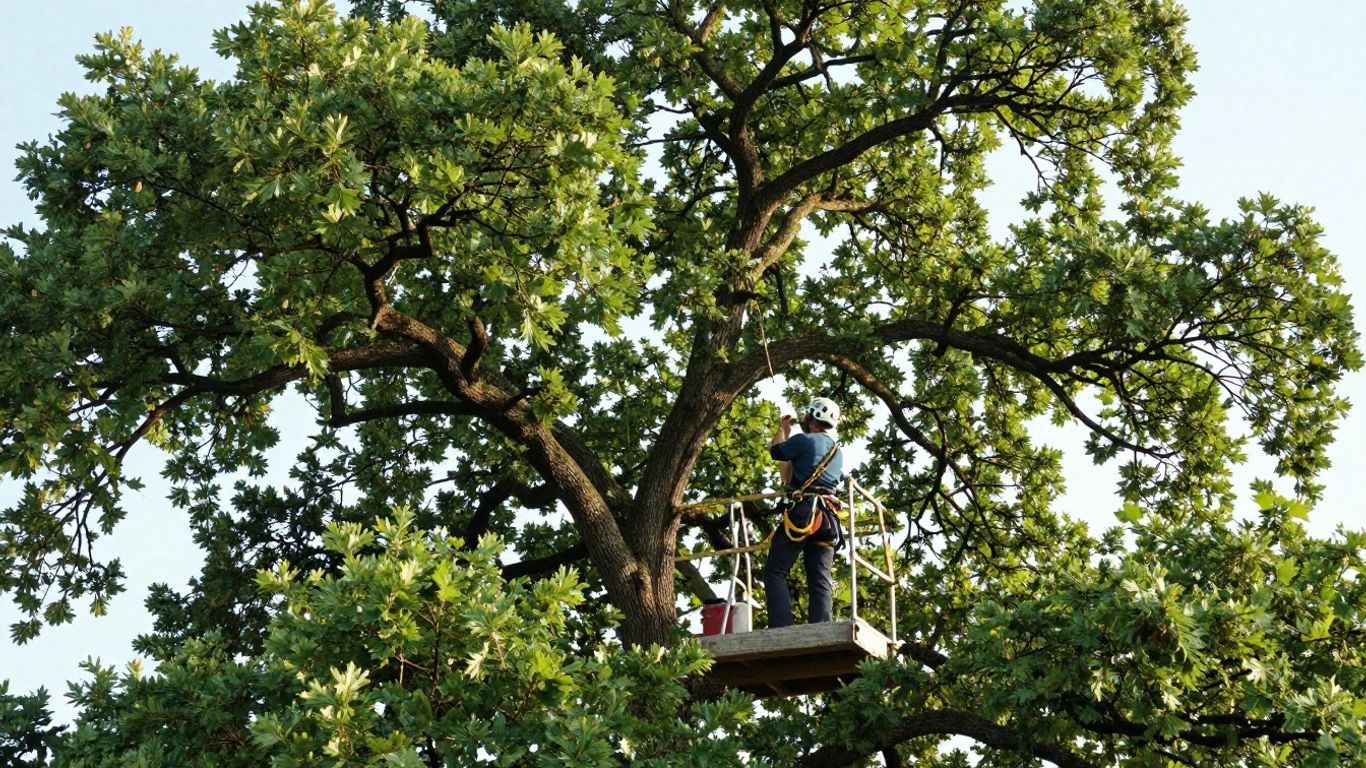
Maintaining the structural integrity of trees requires constant vigilance and proactive intervention long before failures occur. By understanding the common stressors that lead to breakage, professionals can stabilize trees that might otherwise present a significant risk. For residents and business owners, engaging Arizona Tree Service offers access to comprehensive, personalized tree maintenance that addresses these structural needs through a methodical, year-round approach.
Identifying and correcting structural defects early
Spotting a narrow crotch angle or a poorly developed limb early is far easier than rectifying a mature failure. Arborists look for signs of included bark or deadwood that could signify hidden structural weaknesses. Regular monitoring allows for minor adjustments that preserve the tree’s natural form while reducing the likelihood of limb loss.
Assessing risk through diagnostic site inspections
Evaluation involves scanning for indicators of decay, root rot, or environmental damage that impact total stability. A diagnostic look at the surroundings helps determine if a tree is leaning or if heavy winds have compromised its anchor point in the soil. These assessments provide concrete evidence needed to decide whether a tree is a candidate for life-extending care or requires removal for site safety.
Installing cabling and bracing support systems
When a tree has a structural flaw but remains healthy, mechanical supports can provide the necessary tension to prevent failure. Cables and rods distribute the stress of a heavy canopy more evenly across the crown. This intervention allows the tree to continue growing safely, provided that the hardware is periodically inspected and adjusted as the branches expand.
Managing tree diseases and pest infestations
Detecting signs of trouble before an entire specimen becomes compromised is essential for any long-term management strategy. Pathogens and pests can quickly spread if left unmonitored during the hotter months of the year. To stay ahead of these threats, consider the Following common management steps:
- Regular visual monitoring for discoloration or leaf drop.
- Proper sanitation of pruning tools to prevent cross-contamination.
- Selection of pest-resistant cultivars during initial landscape planning.
- Application of dormant oil sprays to manage overwintering larvae.
Early detection techniques for common pathogens
Symptoms of disease often appear in the leaves or fine twigs long before the trunk is reached. Professionals look for patterns of chlorosis, premature wilting, or unnatural oozing that might suggest bacterial or fungal infections. By isolating these symptoms as soon as they manifest, it is possible to prevent the pathogen from colonizing the tree’s root system or vascular tissues.
Implementing integrated pest management strategies
Integrated management approaches move away from blanket spraying and toward a reliance on cultural practices and biological controls. This involves evaluating the threshold of damage and deciding whether the tree can naturally withstand the current population of insects. By focusing on the health of the host first, many defensive responses become unnecessary or highly targeted.
Applying targeted biological or chemical treatments
When intervention is unavoidable, arborists select specific treatments that minimize impact on beneficial insects and the surrounding environment. Choosing the right application method—be it soil injection or canopy spray—ensures the product reaches the area of concern effectively. This surgical approach to management protects the long-term ecological balance of the yard while successfully controlling outbreaks.
Soil health and root system management
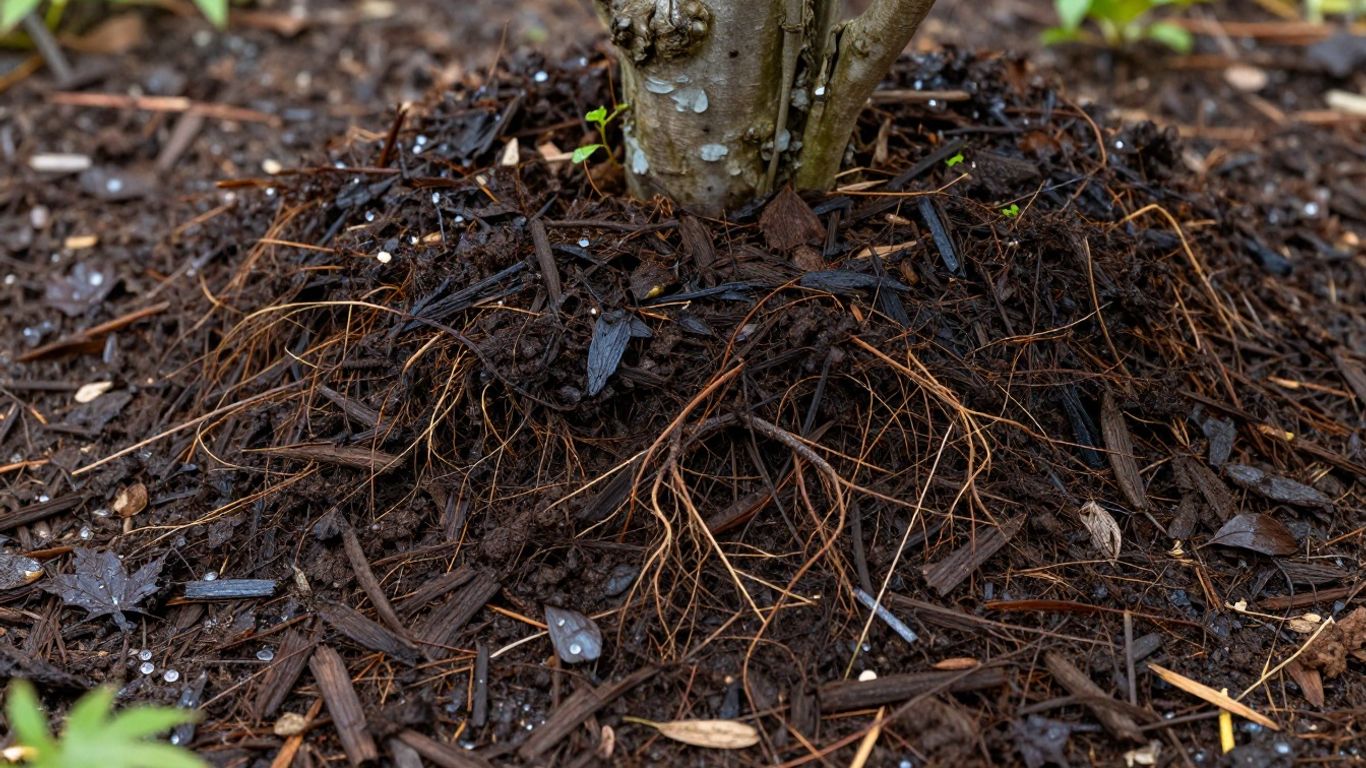
Root health is arguably the most critical factor in tree longevity, yet it is often the most neglected part of the landscape. Over-irrigation, foot traffic, and lack of nutrients in the soil can lead to chronic decline even in otherwise healthy species. Reliable Scottsdale Tree Service providers often emphasize the importance of good root health, as their expert pruning and general health services are grounded in the knowledge that a strong root system is the foundation for all successful canopy development.
Diagnosing soil compaction and aeration issues
Soil that is too dense prevents adequate water and oxygen from reaching the delicate feeder roots. Compaction often occurs due to construction or heavy machinery pass-overs, resulting in stunted top growth and yellowing leaves. Diagnosing this requires site testing to determine if mechanical aeration is needed to open up the soil structure.
The role of proper mulching and fertilization
Applying a layer of organic mulch moderates soil temperature and adds essential nutrients as it breaks down over time. Proper fertilization schedules must be tailored to the specific needs of the tree rather than applied indiscriminately. The following table highlights common soil nutrient deficiencies and their impact on tree development:
| Nutrient | Primary Role | Symptom of Deficiency |
|---|---|---|
| Nitrogen | Leaf and canopy growth | Yellowing of older leaves |
| Potassium | Water and stress regulation | Marginal leaf necrosis |
| Phosphorus | Root and flower development | Purple-tinted leaf undersides |
By managing these elements, property owners can significantly improve recovery rates for stressed trees.
Protecting sensitive root zones during construction
During building or hardscaping projects, the drip line of a tree must be clearly delineated to keep heavy equipment away. Protecting this zone prevents the crushing of critical root hairs that are necessary for nutrient uptake. Once these roots are damaged, they may take several seasons to regenerate, making immediate protection the most cost-effective management tool available.
Strategic pruning and canopy maintenance
Pruning is an art that requires a deep understanding of plant biology, where every cut has a long-term impact on the tree’s health. When maintenance is performed by Paradise Valley Tree Service, the focus remains on professional tree trimming that enhances the natural structure while removing hazardous growth. Proper maintenance not only makes the tree look better but also ensures that it can withstand high winds and heavy snow loads.
Proper pruning cuts to minimize tree stress
Making cuts at the branch collar, rather than sawing flush against the trunk, allows the tree to compartmentalize and heal properly. Improper cuts often lead to rot, which can move deep into the tree core and threaten its stability later in life. Certified professionals have the tools and experience to ensure every incision promotes efficient tissue growth.
Scheduling maintenance based on species-specific needs
Different trees respond to pruning at different times based on their dormancy cycles and flowering times. Deciduous trees, for instance, are often best pruned when they are dormant, whereas spring-flowering trees should wait until after their blossoms fade. Aligning pruning with these natural rhythms ensures that the tree can dedicate its energy to healing rather than trying to compensate for lost resources during an active growth flush.
Thinning for improved airflow and light penetration
Reducing density in the canopy is a standard practice for decreasing risk during wind events. Thinning removes crossing or rubbing branches, improving airflow that helps lower the risk of fungal disease. The resulting light penetration also encourages the growth of inner limbs, building a thick and balanced structure that is both beautiful and resilient against changing weather patterns.
Creating a sustainable tree management plan
Sustainability in tree care means looking decades ahead rather than just addressing the current season. A formal management plan helps track health trends and provides a roadmap for future investments in the landscape. By cataloging species and health status, property owners ensure they are maximizing the longevity of their greenery.
Monitoring growth patterns over multiple seasons
Observing how a tree responds to yearly rainfall or heat stress provides data that guides future maintenance decisions. These patterns can reveal a tree’s tolerance levels or identify a need for supplemental hydration. Consistency is key here; documented observations make it easier to compare year-over-year progress or decline effectively.
Making data-driven decisions for preservation or removal
When a tree reaches the end of its life, sentimentality must be balanced with objective risk assessment. Data regarding decay advancement and soil stability are used to justify difficult decisions about whether a tree should be preserved or removed for the safety of the public. This process ensures that removals are necessary and that preservation resources are effectively allocated to trees with the highest likelihood of long-term success.
Planning for the urban forest lifecycle and replacement
A truly sustainable approach includes selecting the right new trees to replace those that have died or been removed due to age. Considerations for native species and site-appropriate growth habits prevent the same problems from occurring again in the future. By maintaining a mix of tree ages and species, you build a forest that is far more resistant to disease outbreaks and environmental extremes.
Conclusion
Long-term tree health is not a passive outcome but a result of intentional, professional care that integrates knowledge of biology, soil, and mechanics. By leaning on the expertise of those who understand the specific needs of regional species, you can ensure your trees thrive in their environment. Through systematic pruning, preventative inspections, and smart soil management, you protect both the beauty and the safety of your property for years to come.
Frequently Asked Questions
Why should I hire a professional instead of doing it myself?
Professional arborists possess specialized knowledge, training, and equipment to manage complex tree care tasks safely. While basic tasks might seem manageable, improper pruning or soil work often results in irreversible damage that can invite disease or structural failure in the long term.
How often should I have my trees inspected?
It is generally recommended to have your trees inspected annually, or after significant weather events. Frequent checks allow for early detection of potential issues, such as pests or minor physical defects, which are much easier to correct when caught early.
Can I prune my trees at any time of year?
While some minor corrective trimming can be done as needed, major pruning is often best performed during the dormant season to minimize stress. Pruning at the wrong time can interfere with a tree’s flowering cycle or its ability to close off wounds, increasing the risk of infection.
What are the indicators that a tree is beyond saving?
Signs of significant decay, extensive root loss, large vertical cracks, or chronic fungal presence are major warning signs. If the structural integrity of the tree is compromised to the point where it poses a direct risk to people or property, removal is often the final and most responsible option.
Why is mulching vital for tree health?
Mulching provides several critical benefits, including moisture retention, temperature regulation, and the slow release of nutrients as it decomposes. It also suppresses weeds that would otherwise compete with the tree for vital ground resources while protecting root zones from lawn mower damage.
Does topping a tree improve its health?
Topping is actually harmful to trees, as it leaves massive, ugly wounds that are difficult for the tree to seal. It stimulates weak, rapidly growing sprouts that lack proper structure and are more likely to break off in wind, ultimately shortening the lifespan of the tree.
How does soil compaction affect a tree?
Compaction prevents the movement of water and air through the soil, effectively starving the roots of the oxygen they need to function. Over time, this leads to a lack of nutrient absorption, causing the canopy to thin, leaves to yellow, and the tree to gradually lose its health and resilience.